Best Snorkeling Adventure Trips: Top Destinations
Introduction
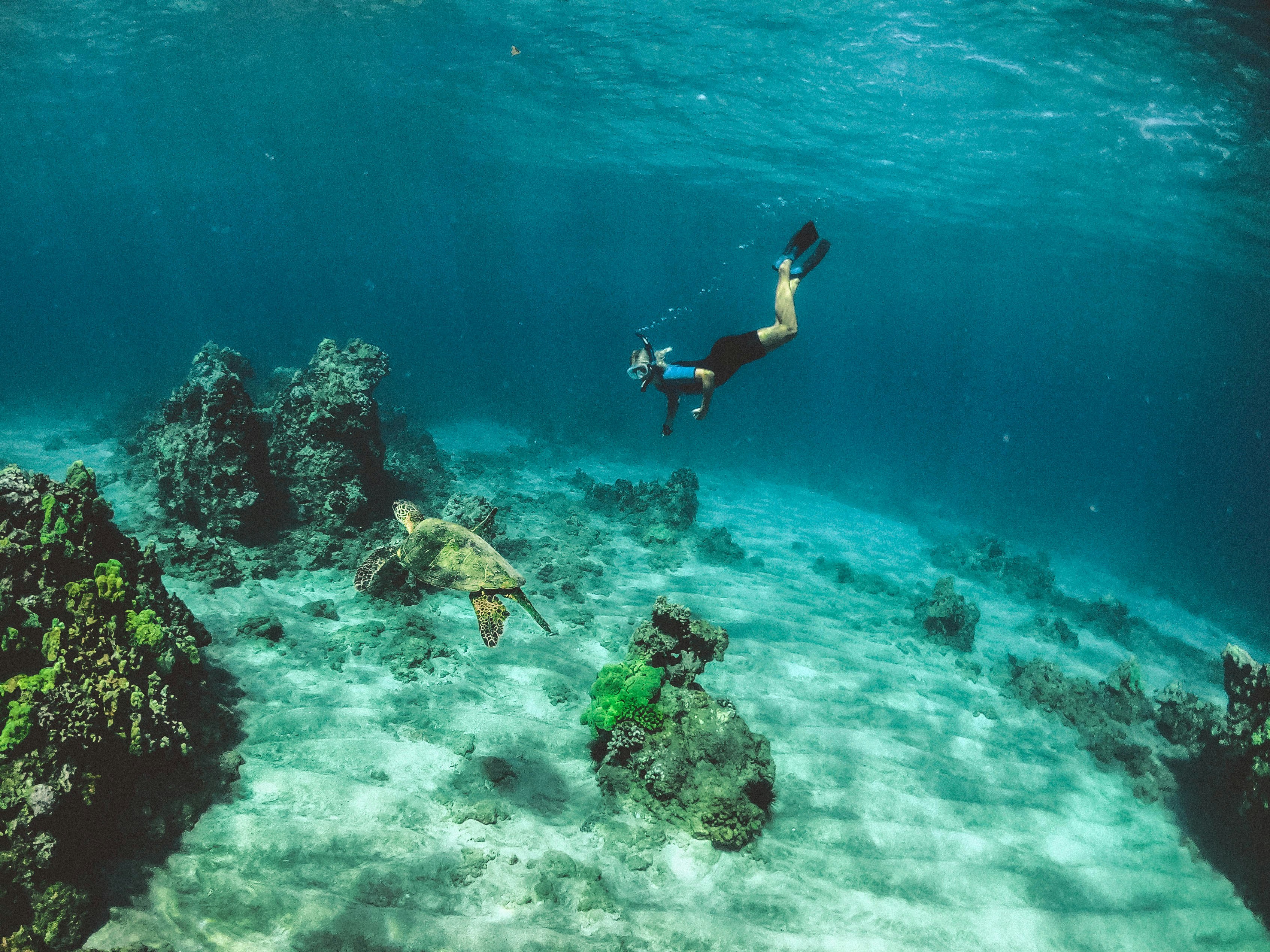
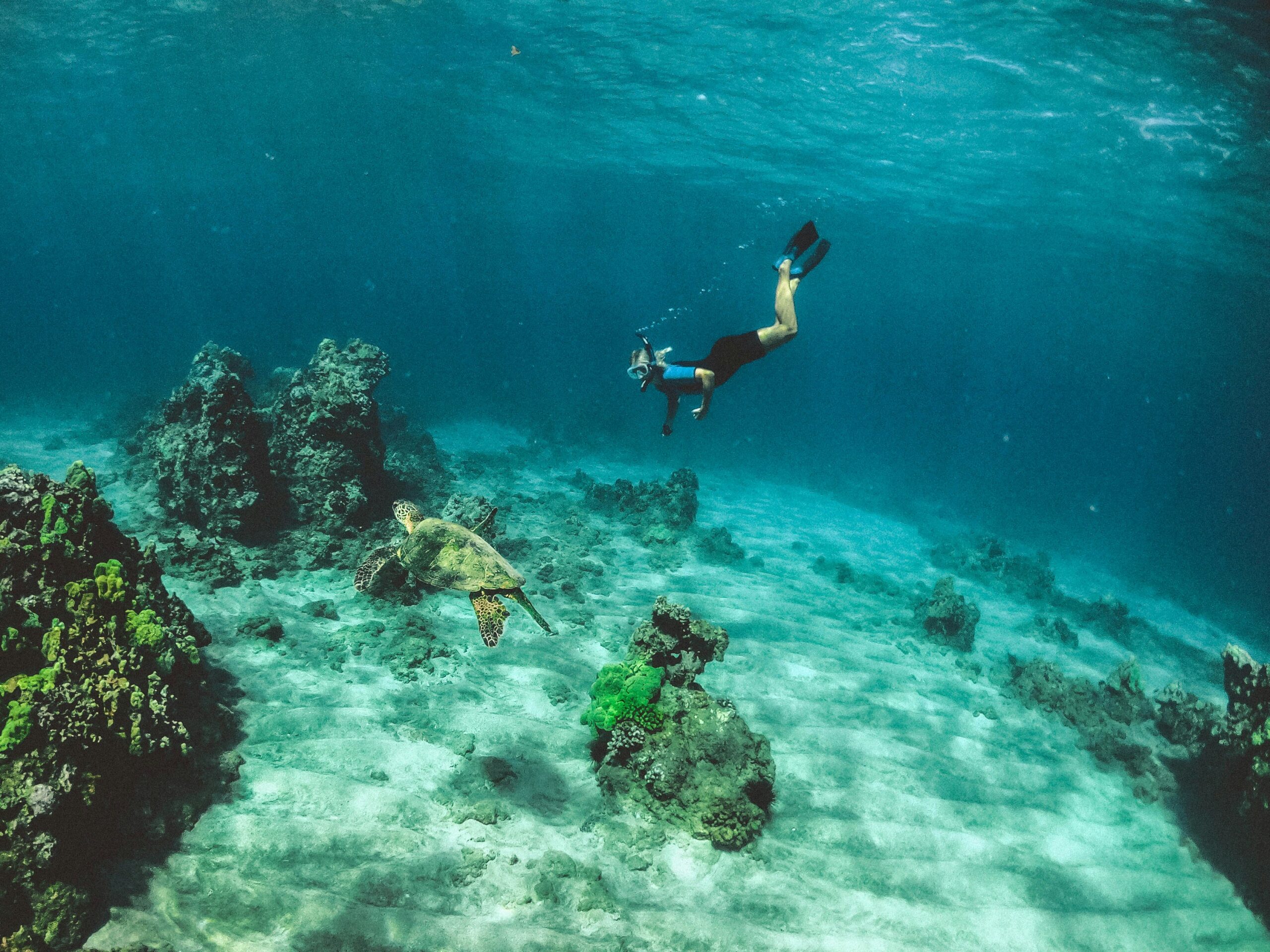
Forget resort beaches and crowded reef patches. If you’re here, you already know the difference. You want current. You want pelagic life. You want to earn your snorkel session with a little logistical grit. This article covers the world’s best snorkeling adventure trips for 2025—destinations that demand planning but reward you with encounters most divers will never see from a boat moored ten meters from shore. I’ve spent the better part of a decade as a marine biologist diving and snorkeling these exact sites. These are not guesses from a listicle. They’re curated, experience-based recommendations for real adventure travel. Whether you’re booking your first solo trip or your tenth liveaboard, this guide is built for decision-making.

What Makes a Snorkeling Trip an ‘Adventure’?
Let’s define the term, because “adventure” gets thrown around loosely. To me, an adventure snorkeling trip has at least one of these traits: remote access requiring multiple flights or a liveaboard, challenging conditions like currents or cooler water, direct encounters with large pelagic wildlife, or logistical complexity that demands self-reliance. This is different from resort-based snorkeling. That is convenience. Adventure means you might be seasick on a boat for two days before you see your first manta. It means packing your own gear because rentals are unreliable. It means accepting that conditions are never guaranteed.
If that sounds like work, these trips aren’t for you. But if the idea of drifting through a channel with sharks and giant trevally while a current pushes you over pristine reef sounds like a good day, keep reading. This is the kind of trip where you come back with stories, not just photos.
Top 5 Best Snorkeling Adventure Trips for 2025
Here are five destinations that deliver genuine adventure snorkeling. Each is vetted for marine life, logistical feasibility, and the kind of experience that sets them apart from a standard holiday.
- Socorro Island, Mexico – For pelagic encounters: giant mantas, dolphins, humpback whales. Requires a liveaboard. Best November to May. Advanced snorkelers only due to open ocean conditions.
- Komodo National Park, Indonesia – Drift snorkeling in current-heavy channels. See manta rays, reef sharks, and turtles. Add a hike for dragons. Best April to November. Requires experienced guides.
- Raja Ampat, Indonesia – The gold standard for biodiversity. Soft coral gardens, pygmy seahorses, and schooling fish. Requires liveaboard or remote resort. Best October to April. Easier currents than Komodo but still remote.
- Belize Barrier Reef – Accessible from Ambergris Caye or remote atolls like Glover’s Reef. Whale sharks at Gladden Spit in spring. Great mix of reef and pelagic life. Best March to June.
- Galapagos Islands – Cold water but incredible wildlife: marine iguanas, sea lions, penguins, hammerheads. Liveaboard or land-based tours. Best December to May for warmer water. Requires current skills.
Each of these destinations demands planning. None are spontaneous. But that’s exactly why they qualify. For each, I recommend specific gear considerations. For Socorro, a thick wetsuit (5mm) and surface marker buoy are non-negotiable for safety in open ocean. For Komodo, reef hooks let you hold position in current while watching mantas at cleaning stations. For Raja Ampat, a polarized mask helps cut glare on shallow reefs. Travelers who need a reliable option for low-light conditions might consider a polarized snorkel mask to reduce glare and improve visibility on bright, shallow reefs. These are not accessories. They are trip essentials.

Destination #1: Socorro Island, Mexico – Pelagic Encounters
Socorro sits about 250 miles south of Cabo San Lucas. You reach it via liveaboard, typically a 24-hour crossing. It’s not for passengers prone to seasickness. The payoff is staggering. Giant manta rays with wingspans over fifteen feet. Bottlenose dolphins that interact with snorkelers at the surface. Humpback whales in winter months. This is not reef snorkeling. It’s big animal, open ocean snorkeling.
As a marine biologist, I’ve seen these encounters up close. The mantas here are habituated to boats and will often approach snorkelers within arm’s reach. But the conditions demand respect. Currents can be strong. Visibility varies. Water temperature drops to 72°F (22°C) in winter. You need a 5mm wetsuit, a good hood, and a reliable mask that won’t fog in cool water. I recommend high-end split fins for efficiency here over traditional paddle fins. You’ll occasionally swim against current, and split fins reduce leg fatigue. If you’re dealing with cooler water and strong currents, a 5mm wetsuit with a hood is worth packing to maintain warmth and comfort during extended sessions.
Book through a reputable liveaboard operator like Nautilus or Solmar. Don’t go with the cheapest option. Safety standards and crew experience vary significantly. Also, consider travel insurance that covers liveaboard evacuation—most standard policies exclude this. Expect to pay $3,000 to $5,000 for a week-long trip with all meals and gear included.
Common mistake: skipping seasickness medication. Even experienced divers get hammered on the crossing. Bring prescription scopolamine patches or Dramamine. Anyone who tells you they’re immune is either lying or lucky.
Destination #2: Komodo National Park, Indonesia – Current & Dragons
Komodo provides a different kind of adventure. The snorkeling here is current-driven drift snorkeling. You’re dropped upstream, float over the reef while the current carries you, and get picked up downstream. It requires a competent boat crew and a guide who reads the tides. Without that, the current can sweep you past your pickup point into open water. This is not a trip to DIY with a local fisherman. Use a commercial operator who specializes in Komodo dive and snorkel itineraries.
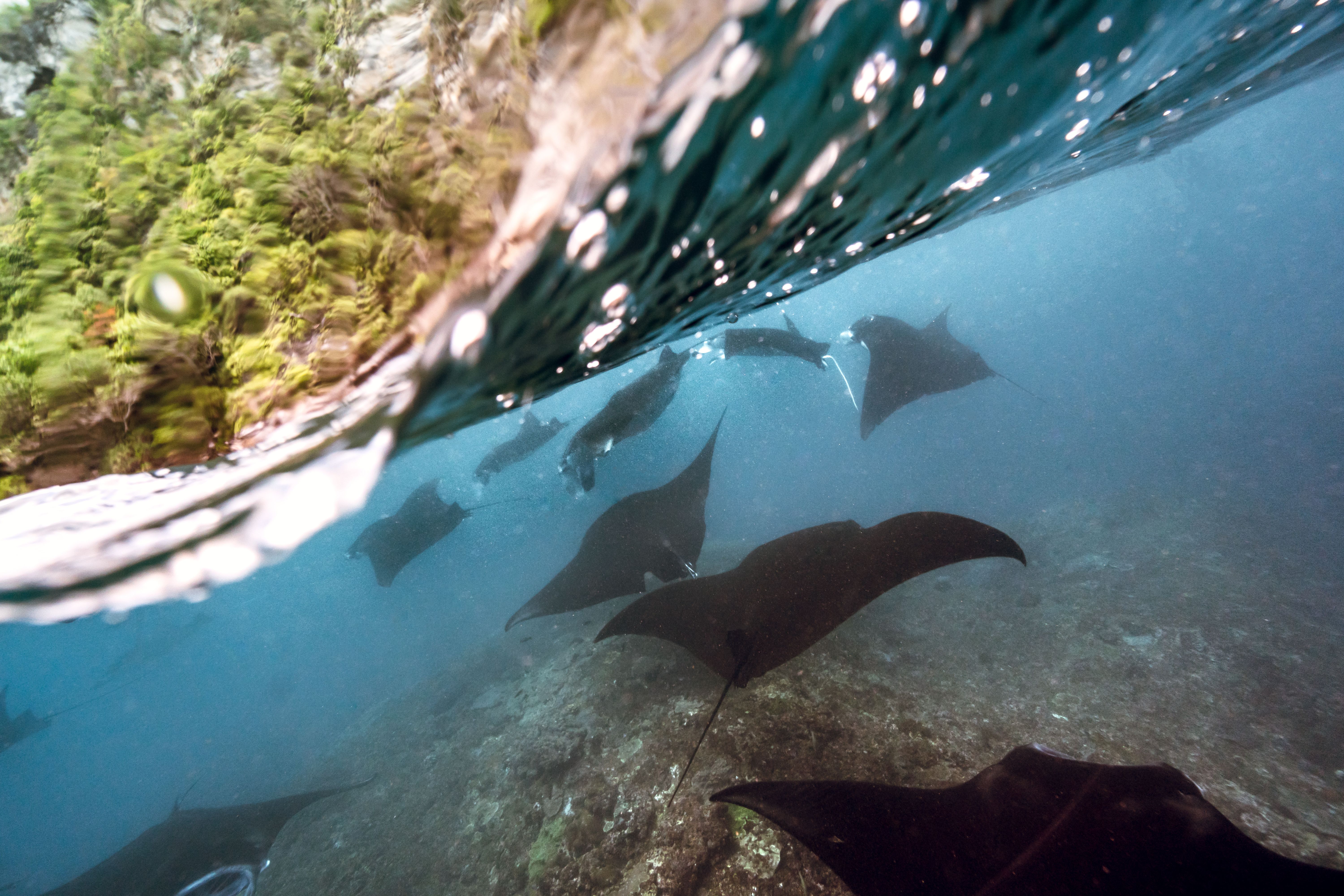
The marine life is exceptional. Manta rays congregate at cleaning stations like Manta Point. Reef sharks patrol the edges of channels. Turtles and schooling jacks are common. The terrestrial component adds another layer: you can hike Rinca Island to see Komodo dragons in their natural habitat. It gives the trip a hybrid adventure feel that pure snorkeling destinations lack.
Gear considerations: reef-safe sunscreen is mandatory here. The park enforces it. Rash guards with built-in UV protection are better than lotion for drift snorkeling. They prevent chafing from the current and protect your skin when you’re floating for extended periods. Also, bring a dry bag for electronics. Your boat will get splashed. A simple way to protect your gear is to use a waterproof dry bag for electronics to keep your phone and camera safe during boat transfers.
Tradeoff: Komodo is best for people who want mixed adventure. If your goal is only snorkeling from a beach, head to Raja Ampat instead. Komodo requires commitment to the drift profile. But if you want to combine terrestrial hiking with some of Indonesia’s best snorkeling, this is the destination.
Comparison Table: Socorro vs. Komodo vs. Raja Ampat vs. Belize vs. Galapagos
| Destination | Marine Life Diversity | Difficulty | Remoteness | Cost (7 days) | Best Season |
|---|---|---|---|---|---|
| Socorro | High (pelagic) | Advanced | Very remote | $3,000–$5,000 | Nov–May |
| Komodo | High | Intermediate | Remote | $1,500–$3,000 | Apr–Nov |
| Raja Ampat | Very high | Intermediate | Very remote | $2,500–$4,500 | Oct–Apr |
| Belize | Moderate–High | Beginner–Intermediate | Moderate | $1,000–$2,500 | Mar–Jun |
| Galapagos | High | Advanced | Remote | $3,500–$6,000 | Dec–May |
How to choose: If you want the most accessible adventure with whale sharks and good infrastructure, Belize is your entry point. If you’re comfortable on a liveaboard and want guaranteed manta encounters, go Socorro. For biodiversity that will change how you see reefs, pick Raja Ampat. For current-driven drift snorkeling plus terrestrial hiking, choose Komodo. And if you’re willing to pay a premium for endemic wildlife and cold water, go Galapagos. Match your experience level honestly. Beginners shouldn’t start with Socorro or Galapagos. Start with Belize or Raja Ampat in calm conditions.
Critical Gear You Shouldn’t Leave Home Without
I’ve carried the wrong gear on adventure trips. It ruins the experience. Here’s a breakdown of what you need and why.
- Full-face mask vs. traditional – Traditional mask is safer for current conditions. Full-face masks can flood if you get pushed sideways. Stick with a low-volume traditional mask and a separate dry snorkel with a purge valve.
- Snorkel with purge valve – A purge valve at the bottom lets you clear the snorkel with one strong exhale. Worth the extra $20. No fumbling.
- Split fins for current – I recommend Cressi or Mares split fins. Less leg fatigue on long drift sessions. Don’t bring stiff freediving fins unless you’re experienced.
- Wetsuit thickness guide – For tropical water above 78°F, 3mm is sufficient. Between 72–78°F, use 5mm. For Galapagos, you may need a 7mm semi-dry. Bring a hood for any water below 75°F. Heat loss through the head is real.
- Safety essentials – Surface marker buoy (SMB) is non-negotiable in current. A dive flag or inflatable float signals your position to boats. A whistle attached to your buoyancy compensator can attract attention if separated from your group. Carry a waterproof flashlight for afternoon sessions when light fades fast on deep reefs.
Tradeoff: Packing a 5mm wetsuit takes space and adds weight. If you’re flying with carry-on only, you can’t bring proper insulation. Accept that or check a bag. There’s no workaround for staying warm in current.

Common Mistakes First-Time Adventure Snorkelers Make
I’ve watched dozens of first-timers make these errors. Here’s what you can avoid.
- Underestimating currents – People think snorkeling is a gentle float. In Komodo or Socorro, currents can exceed 2 knots. That pushes you faster than you can swim. Solution: use a reef hook to hold position, and always drift with a guide who knows the exit points.
- Not renting proper gear – Resort-grade fins and masks are designed for calm lagoons. For adventure sites, bring your own or insist on rental gear from a reputable dive shop. Poor-fitting fins will blister your heels. A leaking mask will ruin visibility.
- Ignoring marine life safety – Fire coral is common in Raja Ampat and Belize. Don’t touch anything. Even brushing against fire coral can cause painful welts. Wear a full-length rash guard or thin wetsuit as a barrier.
- Over-exerting on day one – Adventure snorkeling is physically demanding. You swim against current, hold your breath for extended periods, and surface repeatedly. If you push too hard on the first day, you risk cramping or fatigue that ruins subsequent days. Pace yourself. Take breaks. Hydrate constantly.
- Forgetting entry and exit plans – In current-prone sites, your safety depends on knowing where you start and finish. Discuss the drift plan with your guide. Know the signal for abort. Never assume you can swim back to the boat if you miss the exit.
How to Book Your Snorkeling Adventure Trip Without Getting Ripped Off
Booking an adventure trip is different from booking a beach resort. You’re paying for logistics, safety, and access. Here’s how to avoid overpaying or ending up on a substandard operation.
Use local operators when possible. International aggregators often mark up prices by 30–50 percent. Once you identify a destination, search for local dive shops or snorkeling outfitters with strong reviews on Google and TripAdvisor. Cross-reference their safety records. Check for PADI or SSI certification for dive operations. For liveaboard trips, verify the boat has proper safety equipment: life raft, EPIRB, first aid kit, and oxygen. Don’t rely on photos alone. Email the operator and ask about cancellation policies, maximum group sizes (should be under 8 for quality), and whether meals include dietary restrictions.
Red flags to watch for: operators who can’t name their guides or provide references. Operators who quote a price without asking about your experience level. Operators who guarantee marine life sightings. Any reputable guide will say “we can’t guarantee wildlife, but conditions are favorable.” Also, avoid operators who push add-ons without explaining the value. If they try to sell you a “private guide” for double the standard price, ask why it’s necessary.
When to book direct vs. through aggregators: If you’re going to a popular gateway like Cabo or Bali, booking directly with a local operator often saves money and gives more flexibility. For remote destinations like Socorro (which requires a liveaboard), a specialized platform like LiveAboard.com helps because they vet operators and handle logistics. Compare the total price before committing. On booking platforms, filter by minimum five-star reviews and recent trip reports.
Don’t skip travel insurance. Adventure snorkeling carries real risk. Evacuation from Komodo or Socorro costs thousands. Insurance that covers trip cancellation, medical evacuation, and gear loss is non-negotiable. Companies like World Nomads or DAN offer policies specifically for diving and snorkeling.
Best Times of Year for Peak Snorkeling Conditions
Timing matters more than you think. Show up in the wrong season and you get rain, poor visibility, or closed operations.
- Socorro – November to May. Whale sharks peak December to April. Humpback whales January to March. Visibility drops in rainy season (June–October). Avoid August and September due to storms.
- Komodo – April to November. Dry season with calm seas. July and August are busiest. December to March brings rain and strong winds. Visibility can be poor.
- Raja Ampat – October to April. Less rain. Calm seas. March and April offer best visibility (30m+). Avoid June to August when seas are rough.
- Belize – March to June is whale shark season at Gladden Spit. Water temperature is warm (82°F). Rainy season starts in June, but early season still good. November to February is cooler and windier.
- Galapagos – December to May provides warmer water (up to 80°F) and better visibility. June to November is cooler with rougher seas but more nutrient-rich water that attracts hammerheads and whale sharks.
Plan around your target species. If you want humpbacks, go Socorro in January. For whale sharks, Belize in April or Galapagos in September. For consistent visibility and moderate temperatures, Raja Ampat in March is hard to beat. Book at least six months ahead for remote destinations to lock in dates.
Snorkeling Adventure vs. Diving: Which Should You Choose?
This question comes up constantly. Here’s the practical answer.
If you’re deciding between snorkeling and scuba for an adventure trip, consider these factors. Cost: scuba adds certification ($300–$600) plus gear rental ($50–$100 per day) plus air fills. Snorkeling requires only a mask, fins, and snorkel. Over a seven-day trip, snorkeling saves you $500–$1,000. Training: scuba requires a multi-day certification course. Snorkeling requires basic water confidence. If you’re short on time, snorkeling wins. Physical demands: scuba is physically easier than snorkeling. You breathe compressed air and float neutrally. Snorkeling requires constant swimming and breath-holding. If you’re not in good physical condition, scuba might be more comfortable.
Scenario: if you can only do one trip in 2025, here’s how to decide. If you want the deepest marine life encounters without worrying about surface currents, and you have the budget and time for certification, go scuba in Komodo or Raja Ampat. If you want the flexibility to travel light, skip the certification process, and still see mantas and sharks from the surface, stick with snorkeling in Socorro or Belize. Both are valid. The choice depends on your financial and fitness comfort zone. Personally, I’ve done both. Snorkeling offers a more direct connection with surface wildlife like dolphins and sea lions. Scuba gives you more time underwater. There’s no wrong answer.
Final Checklist: Your Step-by-Step Planning Guide
To close, here’s an actionable checklist. Use it to move from research to booking.
- Choose destination – Based on experience level, budget, and target marine life. Refer to the comparison table above.
- Book travel – Research local operators or liveaboard platforms. Compare reviews and safety certifications. Book at least three months out for peak seasons.
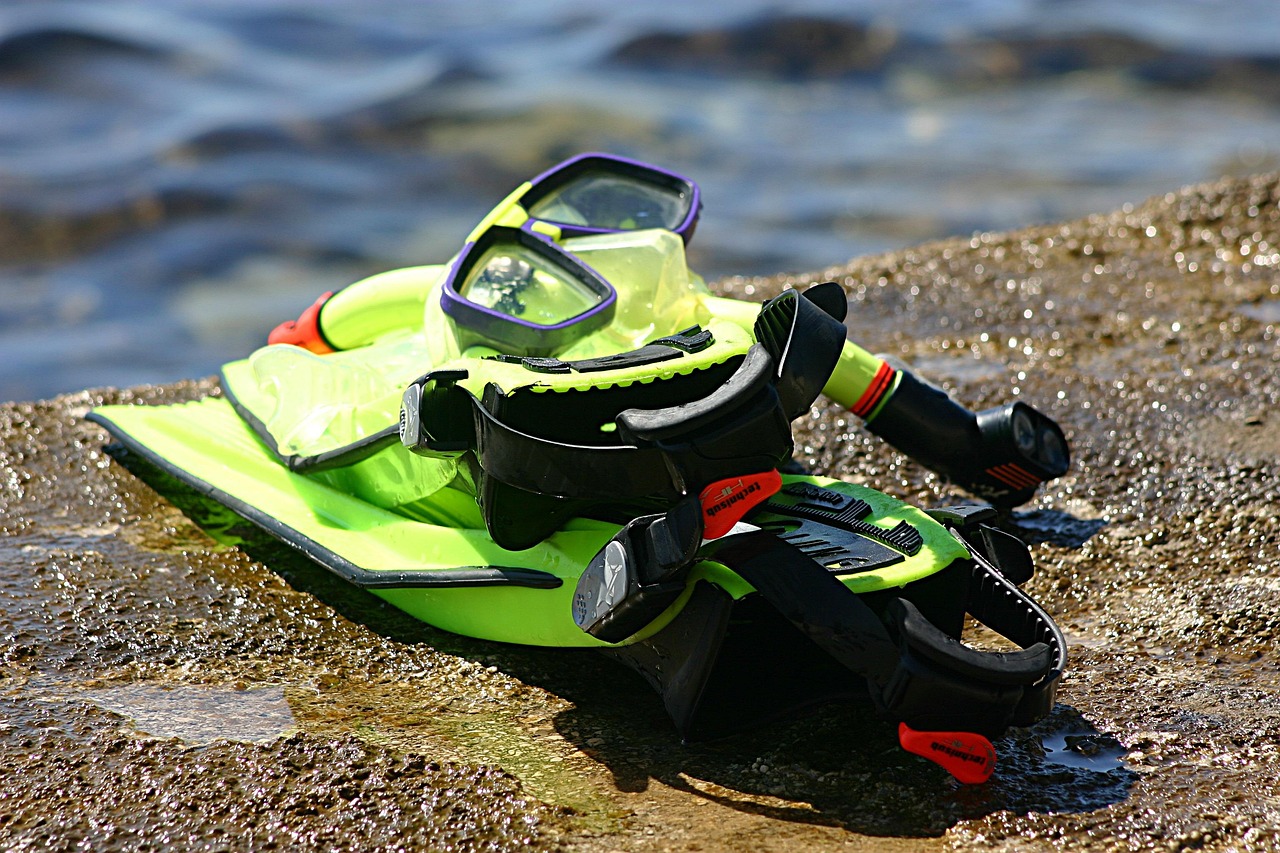
- Get gear – Pack or rent the essentials: mask, snorkel with purge valve, split fins, wetsuit appropriate for water temperature, SMB, and whistle. Beginners may want to start with a snorkel set including mask and fins for convenience.
- Buy insurance – Medical evacuation and trip cancellation coverage. Confirm it covers snorkeling and potential evacuation from remote islands.
- Prepare physically – Swim laps at least twice a week for a month before departure. Practice breath-holding drills to improve lung capacity for prolonged bottom time.
- Final logistics – Confirm your transfer from airport to boat. Download offline maps and a translation app. Carry cash for tips and local purchases. Leave your itinerary with someone at home.
Now is the time to start planning. The best snorkeling adventure trips fill up early. Use this guide to narrow your options, then book with confidence. Your next underwater encounter is worth the effort.