Solo Train Travel Europe Guide: Routes, Hostels, and Tips
Introduction
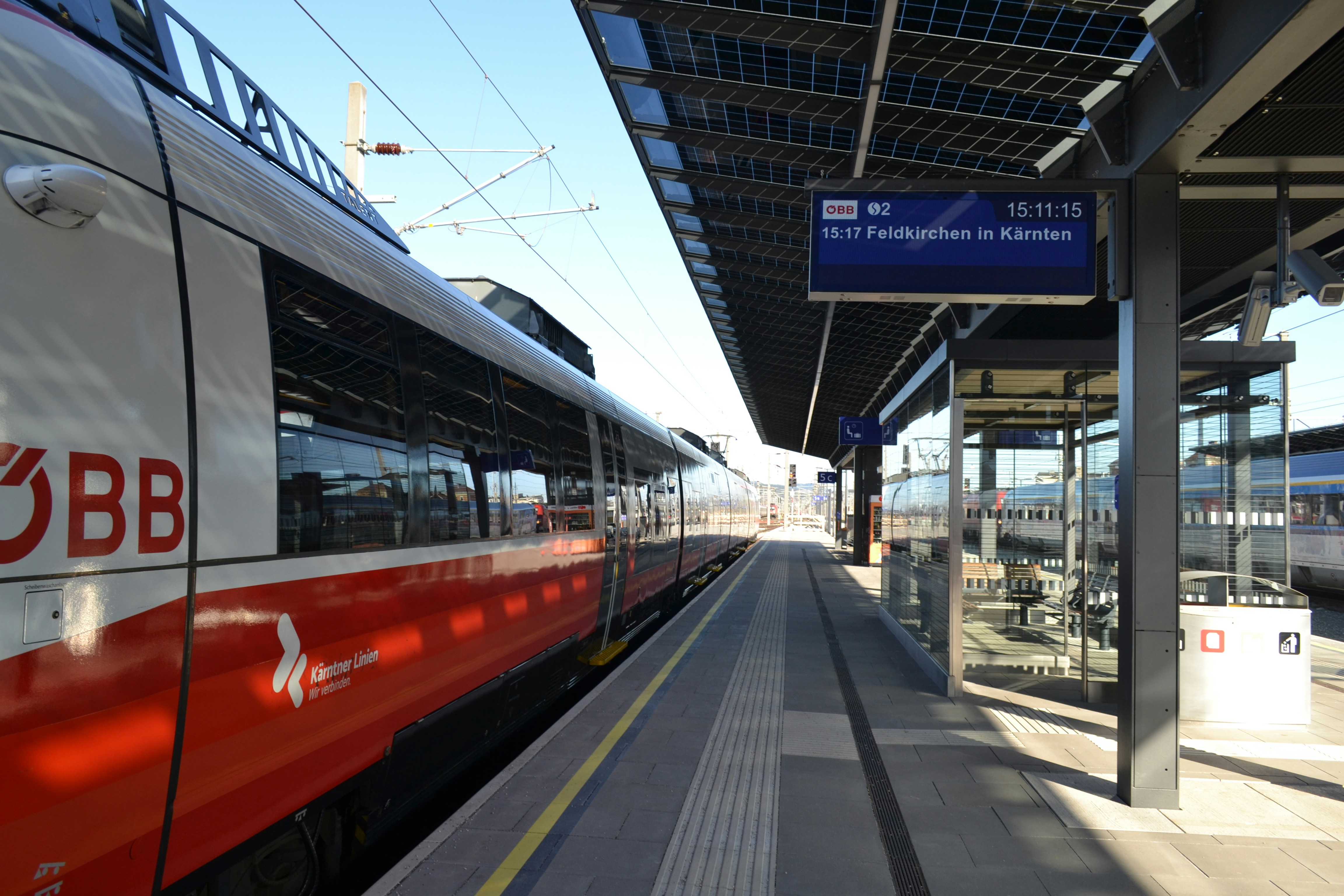
Planning a solo trip across Europe can feel like a lot to organize, especially when you’re trying to figure out the best way to get around and where to stay without breaking the bank. This guide cuts through the noise and focuses on the practical side: train routes that actually make solo travel easy, and hostels set up for people traveling alone. We’re covering logistics, booking, budgeting, and the real-world details that make the difference between a stressful trip and a smooth one. This solo train travel Europe guide is built on experience, not just research, so you can skip the generic advice and get straight to what works.
Europe’s train network is ideal for solo trips. Stations are usually in city centers, trains are frequent, and you can adapt your plans on the go without losing a deposit. Pair that with hostels designed for solo travelers, and you have a setup that’s flexible, affordable, and social. The key is knowing which routes to take, how to book without overpaying, and what to look for in a hostel. That’s exactly what we’re doing here.

Why Trains and Hostels Work for Solo Travelers
Flying between European cities often means spending time and money getting to and from airports that are far from the center. You also have to deal with check-in times, security, and baggage limits. Trains bypass all of that. You walk to the station, hop on, and arrive in the middle of the city. The views are better, you can move around freely, and there’s no hassle with luggage weight.
Hostels are the natural counterpart to train travel. They’re cheap, centrally located, and designed for people who want to meet others. Private rooms exist if you need quiet, but the social aspect of dorms is what makes them ideal for solo travelers. You can meet people over breakfast, join a walking tour, or head out for dinner with new friends. Hotels don’t offer that.
There’s a tradeoff, though. Hostels can be noisy, and shared bathrooms aren’t everyone’s preference. You’ll want earplugs, a sleep mask, and a travel lock for your stuff. A good travel pillow also makes a big difference on longer train rides. These small items solve real problems, so they’re worth packing from home rather than scrambling to find abroad.
Best Train Routes for Solo Travelers in Europe
Not all train routes are created equal for solo travel. Some are scenic, some are quick, and some connect hostel-friendly cities in a way that makes itinerary planning simple. Here are the routes that consistently work well.
Amsterdam to Berlin
This is a direct route that takes about six hours. The train is comfortable, with dining cars and power outlets. Both cities have excellent hostel scenes with strong solo travel communities. Amsterdam’s hostels are pricier, but Berlin has affordable options that are well-connected. The route itself passes through the Dutch countryside and into Germany’s flat farmlands, so it’s not the most dramatic scenery, but it’s reliable and easy for a first-time solo traveler.
Paris to Barcelona
A high-speed train that runs in about six and a half hours. You’ll see the French countryside, the Mediterranean coast, and the Pyrenees from the window. This is a good option if you want to connect two major Western European hubs without flying. Book this one early, because prices rise significantly as the departure date approaches. Both cities have hostels with social events and female-only dorms.
Vienna to Budapest
One of the shortest and cheapest connections on this list. The train takes about two and a half hours and costs as little as €15 if you book ahead. Vienna is elegant and organized, Budapest is lively and chaotic. The contrast makes it interesting for a solo traveler. Both cities have affordable hostels close to the train stations.
Interrail and Eurail Passes
If you plan to visit several countries, a pass can simplify things. You pay a flat fee for a set number of travel days within a window. The tradeoff is that high-speed trains often require a supplement, and some trains need seat reservations. It’s not always the cheapest option, but it gives you flexibility if you want to change plans on the fly. For solo travelers who value spontaneity, that flexibility is worth the premium.
How to Book Trains Without Overpaying
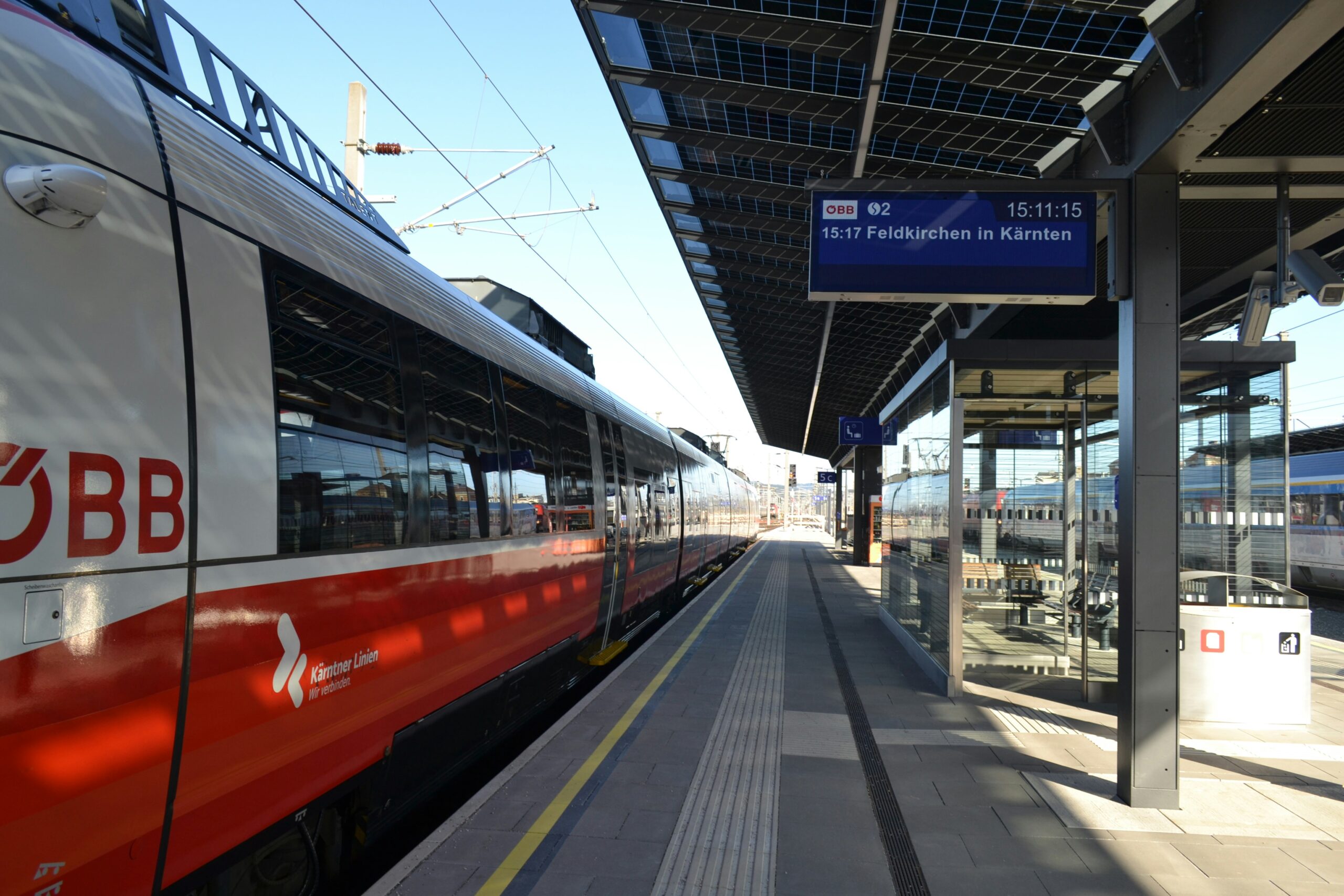
The biggest mistake solo travelers make with train booking is using third-party apps without comparing prices. National train companies like SNCF (France), Deutsche Bahn (Germany), and ÖBB (Austria) often have the lowest fares, especially if you book early. Third-party platforms like Trainline or Omio add a small fee, but they make it easy to compare routes and times across multiple countries. That convenience can save you hours of research.
Book high-speed trains as early as possible. Prices can triple in the last few days before departure. Regional trains, on the other hand, don’t change price and can be booked on the day. For longer trips, look into regional passes like the Bayern Ticket or the France-Spain pass. These aren’t always advertised, but they can cut costs significantly if your route aligns with them.
Avoid booking through random aggregators that charge hidden fees. Stick to official sites or well-known apps. Always double-check whether your ticket includes a seat reservation. Some trains, especially in Italy and France, require one, and boarding without it means a fine or standing in an aisle for three hours.
What to Look for in a Hostel as a Solo Traveler
Not all hostels are designed for solo travelers. Some are party spots where sleep is optional. Others are quiet and focused on privacy. The right one depends on your goals, but a few criteria apply across the board.
Location near the train station is a major factor. Dragging luggage across a city you don’t know is exhausting. A hostel within a ten-minute walk of the station saves time and energy, especially if your train arrives late.
Female-only dorms offer an extra layer of comfort for women traveling alone. Many hostels now have these, and they fill up fast. Book ahead if this matters to you.
Free breakfast might seem minor, but it saves you money each morning and gives you a chance to meet other travelers. Hostels that serve group dinners or have common rooms with organized activities make it easy to connect with people.
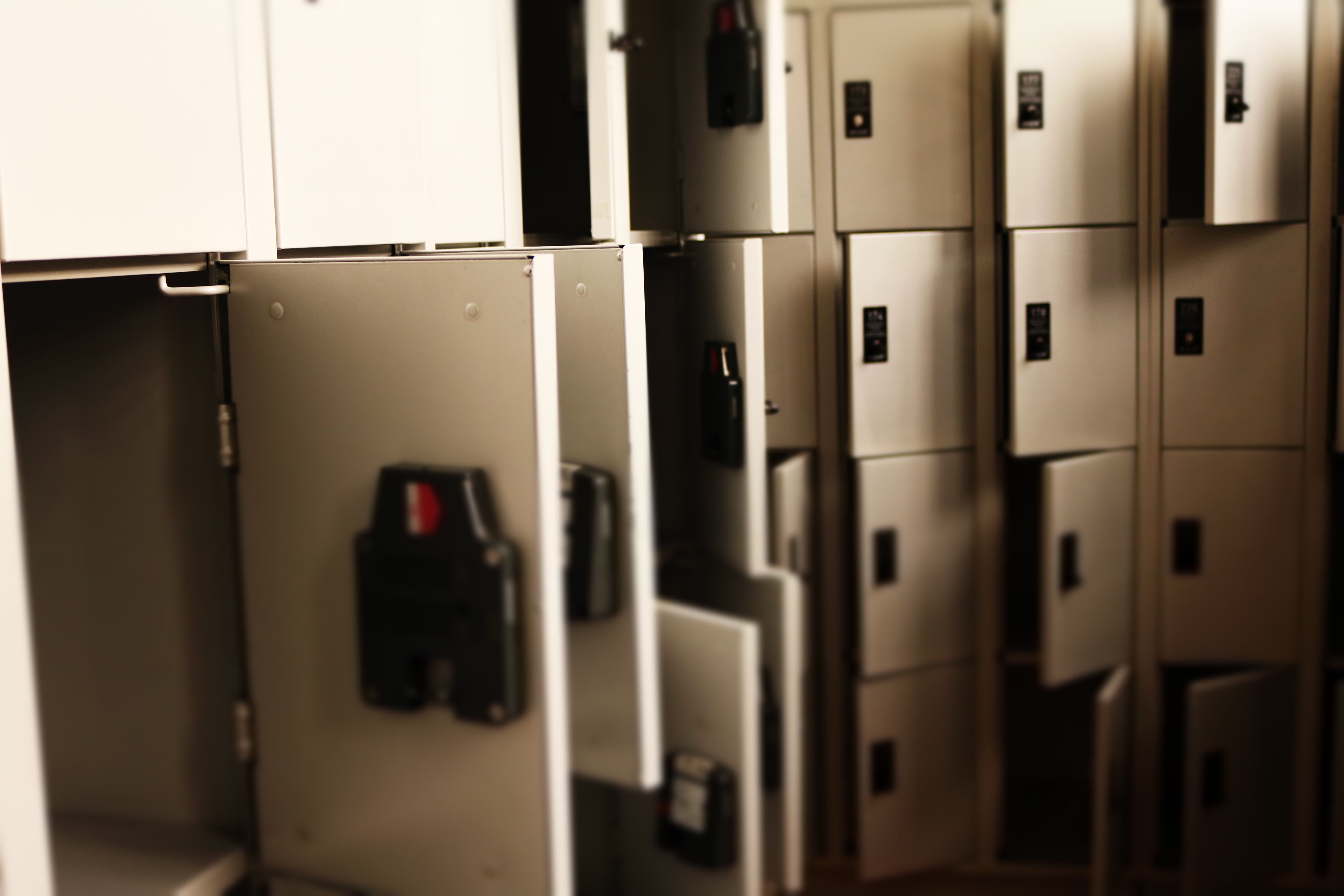
Lockers are non-negotiable. You need a place to store your passport, electronics, and valuables while you’re out exploring. Bring your own padlock because some hostels charge for them or don’t provide them at all.
Platforms like Hostelworld filter by these features, so you can search for properties that match your preferences rather than sorting through generic listings.

Top Hostel Cities Connected by Train
Certain cities stand out because they have both excellent train connections and hostel scenes that cater to solo travelers. Here are the ones worth prioritizing.
Prague
Prague’s main station is central, and the city is compact enough to explore on foot. Hostels here are cheap by Western European standards, and many offer free walking tours that make it easy to meet people. The vibe is more relaxed than party-centric, which suits travelers who want to balance socializing with sightseeing.
Budapest
The train station is a short metro ride from most hostels. Budapest has a mix of party hostels and quieter options, so you can choose based on your mood. The city’s ruin bars and thermal baths are great for group activities. The cost of living is low, so your budget stretches further.
Berlin
Berlin has multiple train stations, but most hostels cluster near Hauptbahnhof or the eastern districts. The hostel scene is vibrant and diverse, with everything from minimalist co-working spaces to large social hostels. Berlin is also a major rail hub, so it’s easy to arrive by train from almost any direction.
Amsterdam
Amsterdam’s hostel scene is expensive, but you pay for location. Most hostels are within walking distance of the central station, and the city’s compact layout makes it easy to navigate. Book well ahead because beds in the better hostels sell out quickly. The social atmosphere is strong, but the party scene can be overwhelming if you’re not into it.
Barcelona
Barcelona’s Sants station connects to high-speed trains from France and the rest of Spain. Hostels in the Eixample or Gothic Quarter are a short metro ride away. The city is lively, the weather is good, and the hostel culture is well-established. You’ll find plenty of organized tours and group dinners aimed at solo travelers.
Common Mistakes Solo Travelers Make with Trains and Hostels
Even experienced travelers slip up on the basics. Here are the most common mistakes and how to avoid them.
Booking high-speed trains too late. As mentioned, prices skyrocket. If you’re committed to a route, book at least three weeks ahead. For summer travel, book even earlier. Regional trains are more forgiving, but high-speed connections like Paris to Barcelona or Rome to Florence are not.
Choosing a hostel far from the station. A cheap hostel on the outskirts costs more in time and transit fares than a slightly pricier one near the center. The difference is usually small, and the convenience is significant.
Ignoring luggage storage. Many trains don’t have overhead racks that fit large suitcases. If you’re moving between cities frequently, pack light. Hostels often have lockers that store daypacks, but large bags can be cumbersome. Consider leaving big luggage in a station locker for a day if you want to explore a city without dragging it around.
Skipping travel insurance. This one comes up every time a trip goes wrong. Lost luggage, a missed connection, or a minor injury in a foreign country can ruin a budget quickly. Travel insurance is cheap relative to the cost of a trip, and it covers the unexpected. Don’t rely on luck.
Packing Essentials for a Train and Hostel Trip
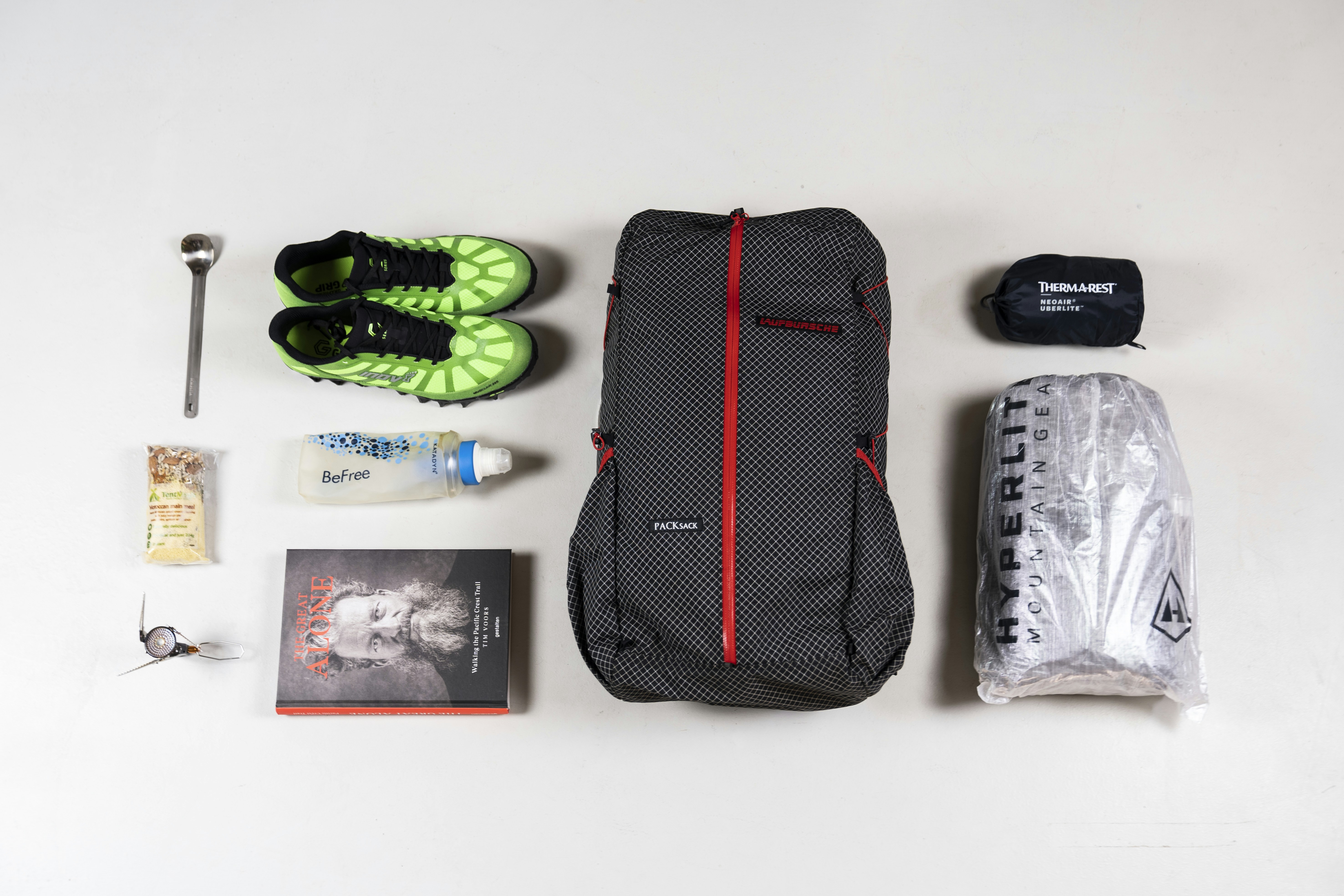
Your packing list for a solo train trip should prioritize small, high-utility items. Here’s what makes the cut.
- Lightweight daypack. You don’t want to carry your main bag everywhere. A small, foldable daypack lets you explore hands-free while leaving your main luggage at the hostel.
- Power bank. Train seats don’t always have working outlets. A 10,000mAh power bank will charge your phone multiple times and get you through a long journey.
- Travel lock. Hostel lockers demand one. Bring a combination lock so you don’t have to keep track of a key.
- Packing cubes. They keep your backpack organized and make packing and unpacking faster. In a hostel, you can grab what you need without dumping everything onto a bunk.
- Earplugs and eye mask. Dorms can be noisy. A good set of earplugs and a comfortable eye mask are worth their weight in gold for getting quality sleep.
- Reusable water bottle. Many hostels have filtered water. Carrying your own bottle saves money and reduces plastic waste.
How to Meet People on Trains and in Hostels
Solo travel doesn’t mean being alone the whole time. The structure of train and hostel travel makes it natural to connect with others. Here’s how.
Choose hostels with communal areas. A hostel with a common room, a kitchen, or a bar makes it easy to start a conversation. Look for properties that host communal dinners, pub crawls, or walking tours. These are built-in social opportunities without the awkwardness of approaching strangers cold.
Sit in shared compartments on trains. European trains often have compartments with six seats facing each other. Sitting there instead of an isolated seat makes it easy to start a conversation. A simple question about where someone is headed or what they recommend in the city works well.
Join walking tours. Free walking tours are available in almost every city. They’re a low-pressure way to meet other solo travelers, and the guide usually points out social spots after the tour ends. Platforms like GetYourGuide or Viator list them with reviews, so you can book one that fits your schedule.
The key is to put yourself in situations where interaction is the default outcome. Hostels and trains already do that. You just have to show up.
Budget Breakdown: What to Expect Per Day
Your daily budget depends heavily on which country you’re in. Here’s a realistic range based on regional averages.
In Eastern Europe (Prague, Budapest, Krakow): expect €40–70 per day. This covers a hostel bed (€15–25), two meals from supermarkets or cheap restaurants (€12–20), local transit (€5), and a small buffer for activities or snacks. Train tickets between cities add another €15–30 if you’re moving every few days.
In Western Europe (Paris, Amsterdam, Barcelona): expect €70–100 per day. Hostel beds cost €30–50. Meals in central locations are expensive. A cheap sit-down dinner runs €15–25. Trains are also pricier, with high-speed tickets averaging €30–60 if booked ahead.
These are rough numbers. You can stretch them by cooking in hostel kitchens, using city passes, and traveling during off-peak seasons. The point is to have a realistic baseline so you don’t run out of money halfway through.
When to Skip the Train and Take a Bus or Flight
Trains aren’t always the best option. For short distances, buses are often cheaper. A bus from Berlin to Prague takes about four hours and can cost under €10. The train is faster and more comfortable, but you might not need the comfort for a short hop. FlixBus is the dominant operator, and its network covers most of Europe.
For long distances, flights make more sense. A train from Paris to Prague takes over ten hours and costs €100+. A budget flight takes two hours and can cost €30–50 if you book ahead. The tradeoff is airport hassle, but the time savings are substantial. Use Skyscanner to find cheap flights, then weigh the total travel time against the train option.
Be honest with yourself about what you value. If you enjoy the journey itself, trains win. If you want to maximize time in destinations, planes are better. There’s no wrong answer, but there is a wrong choice if you ignore the tradeoffs.
Final Checklist for Your Solo Train Trip
Before you go, run through this list.
- Download offline maps for each city.
- Print or save digital copies of train confirmations and hostel bookings.
- Pack a padlock for hostel lockers.
- Book your first night’s hostel in advance, especially if you arrive late.
- Check whether your train requires a seat reservation.
- Charge your power bank and phone before you leave.
Once you’ve ticked these off, you’re ready. Book your first hostel and train ticket early to lock in lower prices. The rest you can figure out on the go.