The Ultimate Solo Travel Southeast Asia Guide: Safety and Itinerary Tips
Why Southeast Asia Works for Solo Travel
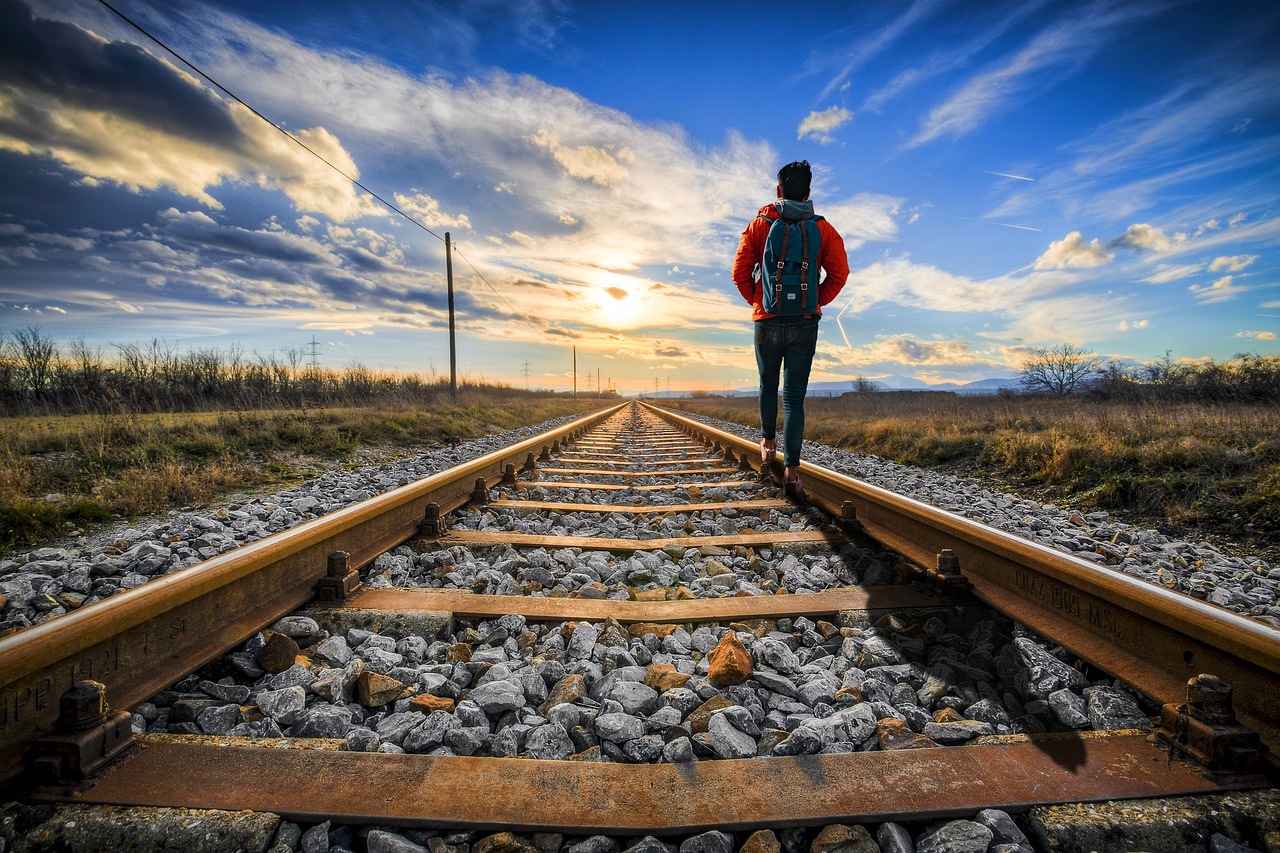
After years of traveling through Southeast Asia, I can tell you it’s a region built for solo trips. The backpacker routes are well-established, English is spoken in most tourist hubs, and the cost of living means your budget stretches further than almost anywhere else. You’ll find a large community of solo travelers in hostels, on buses, and at street food stalls. Meeting people happens naturally.
But let’s be realistic. You will experience some culture shock. Streets can feel chaotic. Language barriers exist outside major cities. The heat and humidity take time to adjust to. Solo travel in Southeast Asia isn’t luxury resort living; it’s an adventure that rewards flexibility and a good attitude. The infrastructure—buses, trains, budget airlines, and affordable accommodation—makes it one of the most accessible regions for going solo.

Solo Travel Safety in Southeast Asia: What You Actually Need to Know
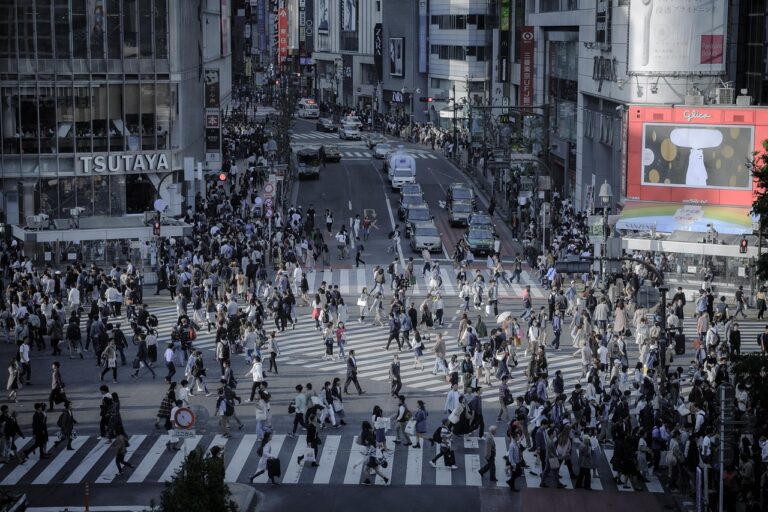
The real safety concerns in Southeast Asia are petty theft, tourist-targeted scams, and road traffic. Violent crime against tourists is rare, but opportunists exist. Your biggest risk is having your phone snatched while scrolling on a sidewalk at night or falling for a tuk-tuk driver who overcharges you by 500%.
Here’s what actually works for staying safe as a solo traveler in Southeast Asia:
- Keep valuables secure: Use a cross-body bag with a zipper that sits in front of you. Don’t keep your phone in your back pocket. In crowded areas like markets or public transport, keep one hand on your bag.
- Use hotel safes: Leave your passport, extra cash, and backup cards locked in your accommodation’s safe. Only carry what you need for the day.
- Avoid certain areas late at night: Stick to well-lit streets with other people around. In party zones like Khao San Road (Bangkok) or Bui Vien Street (Ho Chi Minh City), be extra cautious about your drink and your surroundings.
- Beware of common scams: The “temple is closed today but I can take you to a gem shop” scam is classic. So is the overly friendly local who invites you for a drink that ends up costing you hundreds. Trust your gut. If something feels off, walk away.
- Road safety is a real risk: Scooter accidents are the number one cause of tourist injury. If you ride one, wear a helmet, drive defensively, and never ride after drinking. Consider taking Grab (ride-hailing app) instead.
A small investment in practical safety gear goes a long way. Travelers who prefer extra security in older hotel rooms might consider a portable door wedge, and a travel lock for hostel lockers offers genuine peace of mind without costing much.
Best Countries for First-Time Solo Travelers in Southeast Asia
Not every country in Southeast Asia is equally easy for a first-time solo traveler. Here’s a breakdown of the best options based on safety, infrastructure, and solo traveler vibes.
Best for Ease and Infrastructure: Thailand. Bangkok, Chiang Mai, and the islands have the most developed tourist infrastructure. Hostels, tours, transport, and English speakers are everywhere. It’s the perfect starting point for a first solo trip.
Best for Budget and Adventure: Vietnam. Vietnam is incredibly affordable and has a well-established backpacker route from Hanoi to Ho Chi Minh City. The food is amazing, the scenery is stunning (Ha Long Bay, Sapa, the Mekong Delta), and the local community is welcoming. Street crossings are a sport, but you’ll get used to it.
Best for Culture and Temples: Cambodia. Angkor Wat alone is worth the trip. Siem Reap is a small, safe, and very solo-friendly town. The country is less developed than Thailand, but that’s part of the charm. Be prepared for more aggressive touts at tourist sites.
Best for Easy English and Modern Travel: Malaysia. Kuala Lumpur and Penang are modern cities where English is widely spoken. The public transport is excellent, and the food scene is world-class. It’s a great choice if you want a smoother introduction to the region.
Best for Nature and Solo Vibes: Indonesia (Bali). Bali is a solo traveler magnet. Ubud, Canggu, and the Gili Islands have huge communities of solo backpackers, digital nomads, and surfers. It’s safe, easy to navigate, and full of yoga, cafes, and beautiful landscapes. Avoid the super touristy Kuta area if you want a more relaxed vibe.
Common Solo Travel Mistakes to Avoid in Southeast Asia
I’ve made most of these mistakes myself. Learn from them so you don’t have to.
- Overpacking: You will buy clothes, souvenirs, and toiletries along the way. Southeast Asia is hot and humid. Pack light, quick-dry clothes and plan to do laundry. A 40-liter backpack is plenty for a month.
- Booking everything in advance: Solo travel thrives on flexibility. Book your first few nights and your exit flight. Leave the rest open. You might meet people and want to change your plans.
- Ignoring visa rules: Thailand, Vietnam, and Cambodia have visa-free or visa-on-arrival policies for many nationalities, but the rules change. Check your country’s embassy website before you go. Overstaying a visa can get you fined or banned.
- Using street ATMs carelessly: These often charge high fees ($5-7 per transaction) and may be targeted by skimmers. Use ATMs inside banks or shopping malls. Withdraw larger amounts less often to minimize fees.
- Trusting unofficial guides and touts: Always use official tour operators or book through trusted platforms. The guy on the street offering a “special price” on a temple tour is usually a scam. Pay a bit more for a legitimate operator.
- Eating only at touristy places: The best food is often street food or local family-run restaurants, not the places with English menus and pictures outside. Eat where locals eat. Use Google Maps reviews to find spots with high ratings from locals.
- Traveling without insurance: This is non-negotiable. A hospital trip or a motorbike accident can bankrupt you without insurance. Buy a policy that covers medical evacuation, theft, and trip cancellation. Don’t skip this.

How to Plan a Realistic Solo Itinerary for 2 to 4 Weeks
The key to a successful solo itinerary is to not over-schedule. Travel in Southeast Asia takes time. A bus that should take 4 hours might take 6 due to traffic or breakdowns. Build in buffer days.
Two-Week Itinerary (Thailand + Cambodia)
- Days 1-4: Bangkok (temples, markets, Grand Palace)
- Days 5-6: Train to Chiang Mai (night markets, cooking class, Doi Suthep)
- Days 7-8: Fly to Siem Reap (Angkor Wat for two full days)
- Days 9-10: Bus or fly to Bangkok for a beach (Koh Samet, Koh Tao, or Phuket via connecting flight)
- Days 11-14: Beach time and fly home from Bangkok or Phuket
Four-Week Itinerary (Thailand + Vietnam + Cambodia)
- Week 1: Bangkok + Chiang Mai
- Week 2: Fly to Hanoi, Vietnam. Explore Hanoi, Ha Long Bay (overnight cruise), and Ninh Binh
- Week 3: Train down Vietnam (Hue, Da Nang, Hoi An). Spend a few days in Hoi An.
- Week 4: Fly to Ho Chi Minh City. Take a bus to Phnom Penh and then to Siem Reap for Angkor. Fly home from Siem Reap or Bangkok.
For transport, use 12Go Asia for buses and trains, and Skyscanner for flights. Book popular bus routes a day in advance. Check sleeper bus reviews—some are far more comfortable than others.
For accommodations, booking your first few nights on Booking.com or Agoda makes arrival easier. Many hostels offer free cancellation, so you can still adjust later.
Packing List for Solo Travelers in Southeast Asia
Pack light. Aim for a 40-liter backpack. Here’s the core list.
Clothing
- 4-5 lightweight, quick-dry t-shirts or tank tops
- 2 pairs of shorts (one for hiking, one for going out)
- 1 pair of lightweight long pants for temples and cooler evenings
- 1-2 dresses or a light sarong (if female)
- 1 light rain jacket or poncho (especially during rainy season)
- Swimsuit
- Laundry bag and a small sink packet for washing clothes
Footwear
- Comfortable walking sandals (Chacos or similar) for everyday wear
- One pair of walking shoes or trail runners for hiking and long days
- Flip-flops for hostels and showers
Tech
- Power bank (10,000 mAh minimum) for long bus rides
- Universal adapter (Southeast Asia uses a mix of plug types)
- Phone with offline Google Maps downloaded
Safety and Health
- Travel lock for hostel lockers
- Portable door wedge
- Small headlamp (useful for reading in hostels or power outages)
- Small first-aid kit (bandaids, antiseptic, ibuprofen, Imodium)
- Mosquito repellent with DEET
Many of these items are available on Amazon. A portable door wedge and a reliable travel lock are two of the cheapest and most useful safety items you can bring.
Money and Budgeting: How Much Does Solo Travel in Southeast Asia Cost?
Your budget depends entirely on your travel style. Here are rough daily costs (excluding international flights).
Budget Traveler ($25-35/day): Hostel dorms, street food, local buses, no tours, limited alcohol. You’ll be fine on $30 a day in most of the region.
Mid-Range Traveler ($45-65/day): Private guesthouse room or nicer hostel, mix of street food and restaurants, occasional short-haul flight, one or two guided tours a week, a few drinks. This is the sweet spot for most solo travelers.
Comfortable Traveler ($80+/day): Nice hotel, sit-down restaurants for most meals, private transport (Grab), multiple tours, and higher-end activities. It’s a very easy, stress-free experience.
Cash is still king in many places, especially Vietnam, Cambodia, and rural areas. ATMs are widely available but charge fees. Use a bank that reimburses ATM fees or withdraw larger amounts less often. Credit cards are accepted at mid-range hotels and larger restaurants, but not everywhere. Always have enough cash for a few days.

Staying Connected: SIM Cards and WiFi Options
Don’t rely on roaming. Local SIM cards are cheap and easy to get.
In Thailand, buy a SIM at the airport (AIS or TrueMove are good options). In Vietnam, Viettel is reliable. In Cambodia, Cellcard works well. These typically cost $5-10 for a month of data.
Alternatively, use an eSIM service like Airalo. You can top up data without visiting a physical store. It’s more expensive per GB than a local SIM, but it’s convenient for short trips or as a backup connection.
WiFi is good in most hostels, cafes, and hotels in tourist areas. Some rural areas may have slower connections. Download offline Google Maps for your entire route before you arrive.
Accommodation Tips for Solo Travelers: Hostels, Guesthouses, and Homestays
Accommodation can make or break your solo trip. Here’s what works.
Hostels are the best choice for solo travelers who want to meet people. Look for hostels with good common areas, organized social events (pub crawls, cooking classes, day trips), and high ratings on Hostelworld or Agoda. Read recent reviews about cleanliness and safety. Dorms are generally safe, but use a locker for your valuables.
Private rooms in guesthouses are ideal if you value privacy but still want a social vibe. Many guesthouses are family-run, safe, and very affordable. They often have a shared terrace or rooftop where you can meet other travelers.
Homestays are a fantastic way to experience local culture. In rural areas, you can stay with a local family who will cook for you and show you their way of life. It’s safe and immersive. Book through platforms like Airbnb or specialized tour agencies.
When booking, check the location on Google Maps. Is it close to attractions? Is public transport nearby? Read recent reviews about safety, especially for solo female travelers. Many booking platforms offer free cancellation, so use that to keep flexibility.
Booking Tours and Activities as a Solo Traveler
Booking tours is the easiest way to meet people and see highlights without the stress of planning everything yourself.
Booking locally is often cheaper. In Vietnam, you can book a day cruise on Ha Long Bay from a local operator in Hanoi for half the price of an online booking. The downside is quality control—check recent reviews carefully.
Booking via platforms like GetYourGuide or Viator offers more transparency, reviews, and cancellation policies. It’s usually a safer bet for solo travelers, especially for multi-day tours. The price is higher, but the peace of mind is worth it.
Group tours are great for solo travelers. You’ll join a van or boat with a guide and 8-15 other people. It’s social, safe, and efficient. Look for tours capped at small group sizes or specifically marketed to solo travelers.
Conclusion: Start Planning Your Solo Trip to Southeast Asia
Solo travel in Southeast Asia is one of the most rewarding things you’ll ever do. The region is safe, affordable, and packed with experiences that will shape you. Good planning reduces the risks and maximizes the enjoyment. Start with Thailand or Vietnam for your first trip. Book your first few nights of accommodation in advance to settle in. Get your insurance sorted. Pack light. And then just go.
Take the first step today. Book your first hostel or guesthouse on Booking.com or Agoda. Or if you want a structured start, check out small-group tours on GetYourGuide that cover the highlights. The hardest part is deciding to go. Everything else is logistics.