Solo Travel in Japan: Safety Tips, Itinerary, and Budget for First-Timers
Introduction
Japan isn’t just safe for solo travelers. It’s one of the most accommodating countries in the world to travel alone. But safe doesn’t mean zero friction. The language barrier, the cost, and the sheer density of Tokyo or Kyoto can feel overwhelming before you arrive.
The reality is more practical. Japan has one of the lowest crime rates in the world, hyper-efficient public transport, and a culture built on consideration. You can walk through Shinjuku at midnight without looking over your shoulder. You can leave your bag on a train seat while you check a map. No one will touch it.
That said, solo Japan travel still requires planning. Getting lost in a rural prefecture without a working SIM, underestimating typhoon season, or thinking a JR Pass saves money without doing the math are real mistakes I’ve made.
This solo japan travel guide covers the fears, the logistics, the itinerary, and the budget decisions that actually matter. I’ve tried to avoid the generic “Japan is amazing” angle. You’ll get what worked, what didn’t, and what I wish someone had told me before my first trip alone.

Why Japan is One of the Safest Countries for Solo Travelers (And Where It Gets Tricky)
The crime stats speak for themselves. Japan’s murder rate is a fraction of the US or most European countries. Pickpocketing exists but it’s rare compared to Paris or Rome. Violent crime against tourists is almost unheard of. Women traveling alone in Japan overwhelmingly report feeling safe, even in crowded subways at night.
The culture helps. Social norms discourage confrontation. Lost property is returned. You don’t have to be paranoid about your wallet.
But safe doesn’t mean idiot-proof.
The tricky parts: Japan sits on the Pacific Ring of Fire. Earthquakes happen, typhoons hit in late summer and early autumn, and some rural mountain trails are poorly marked. If you’re wandering through a remote onsen town without data, getting lost at dusk is a real possibility. The trains stop running around midnight, and getting stuck without a backup plan in a residential area is a genuine hassle.
Roppongi nightlife in Tokyo has a reputation for touts, overpriced bars, and occasional scams targeting drunk tourists. Kabukicho in Shinjuku is similar. These aren’t dangerous like certain neighborhoods in other global cities, but you should know where you’re walking and keep your wits about you.
The solution? A portable Wi-Fi or eSIM. I use a pocket Wi-Fi from Japan Wireless or the airalo eSIM for immediate activation. Having maps, translation, and emergency data is essential. It’s cheap insurance. Travelers who want immediate connectivity can find eSIM options that fit their itinerary by searching for Japan travel eSIM plans.
Solo Travel Safety Tips: What I Wish I Knew Before Going
Here’s what actually matters for staying safe as a solo traveler in Japan. No scare stories. Just practical checks.
- Carry a photocopy of your passport. You’re required to carry the original by law, but I keep a laminated copy in my daypack and the original locked in my luggage. If you lose the original, the copy speeds up embassy replacement.
- Stay in accommodations with good reviews. Hostels and business hotels with 8+ on Booking.com or Hostelworld are reliable. Avoid anything with recent complaints about security or location. One bad night can ruin your momentum.
- Memorize emergency numbers. Police is 110. Ambulance/fire is 119. English-speaking operators are available but slower. Save your embassy’s local number before you arrive.
- Never leave your bag unattended. Even in a quiet coffee shop. Even at a hostel common area. The culture is trustworthy, but honesty and opportunity aren’t the same thing.
- Watch your drink in nightlife areas. Roppongi and Kabukicho have a small number of bars that target foreigners. Stick to well-reviewed izakayas or chain bars. If a hostess invites you inside, politely decline.
- Learn basic phrases. “Sumimasen” (excuse me/sorry) and “Onegaishimasu” (please) open doors. People are more willing to help when you make the effort.
- Check your route before leaving the hotel. Walking into a dead-end street in Osaka at 1 AM is a waste of time and energy.
Solo-friendly vs less solo-friendly areas: Osaka’s Dotonbori area is loud, crowded, but very solo-friendly. Kyoto’s Gion is quiet at night and less social. Tokyo’s Shibuya and Shinjuku are easy to navigate alone. Ueno can feel a bit rough around the edges. Stick to central, well-lit, tourist-frequented zones if you’re nervous.

Sample Solo Itinerary: 10 Days in Japan (Tokyo, Kyoto, Osaka)
This is the classic triangle route. It’s popular for a reason: logistics are straightforward, and it gives a strong mix of old and new Japan.
Days 1-4: Tokyo
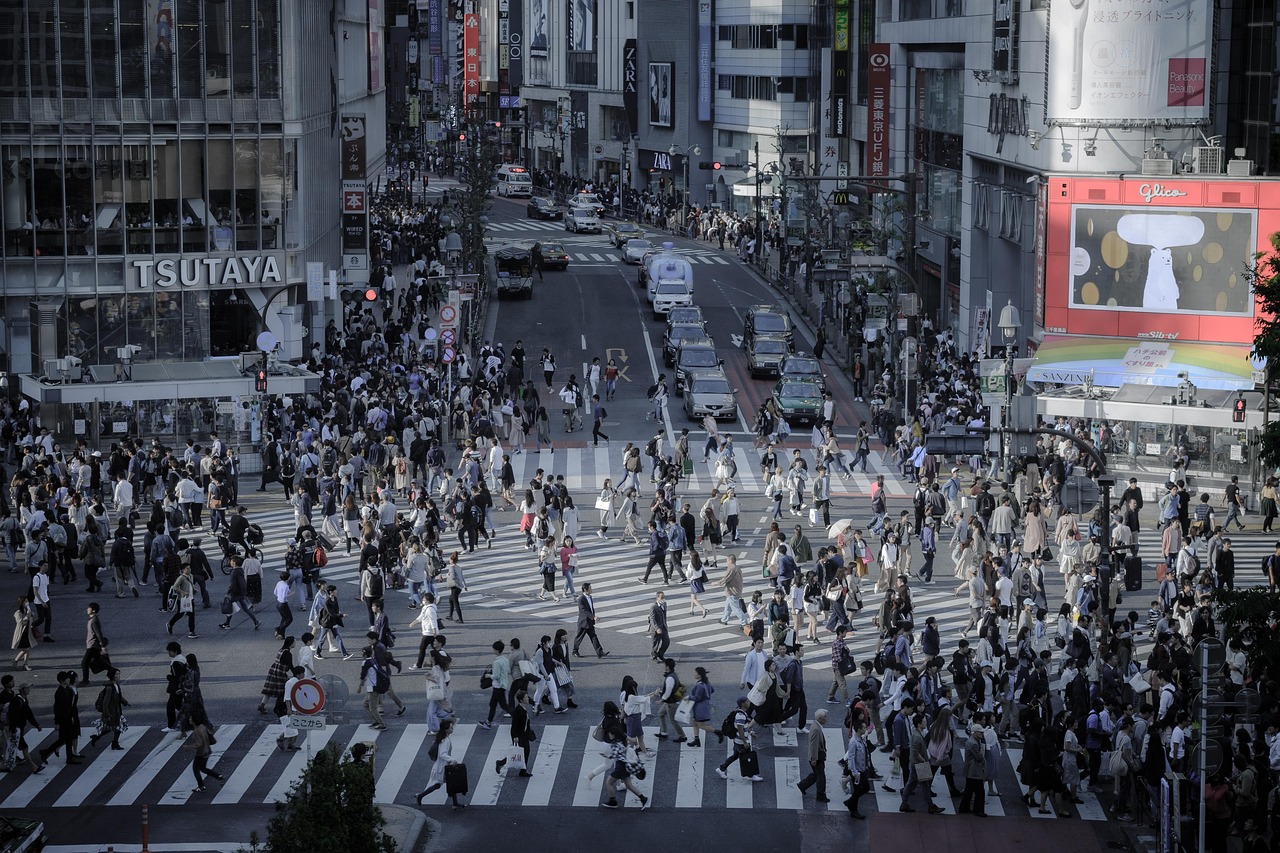
Arrive at Narita or Haneda. Activate your eSIM or pick up your pocket Wi-Fi. Day 1: settle in. Explore your neighborhood (Shibuya or Shinjuku are easiest for first-timers). Day 2: Asakusa (Senso-ji temple) and Akihabara for electronics and arcades. Day 3: Shibuya crossing, Meiji Shrine, and Harajuku for people-watching. Day 4: day trip to Kamakura (big Buddha, small temples) or Nikko if you want nature. Estimated daily cost: ¥8,000-12,000 (mid-range, excluding accommodation).
Days 5-7: Kyoto via Shinkansen (2.5 hours, ¥13,000)
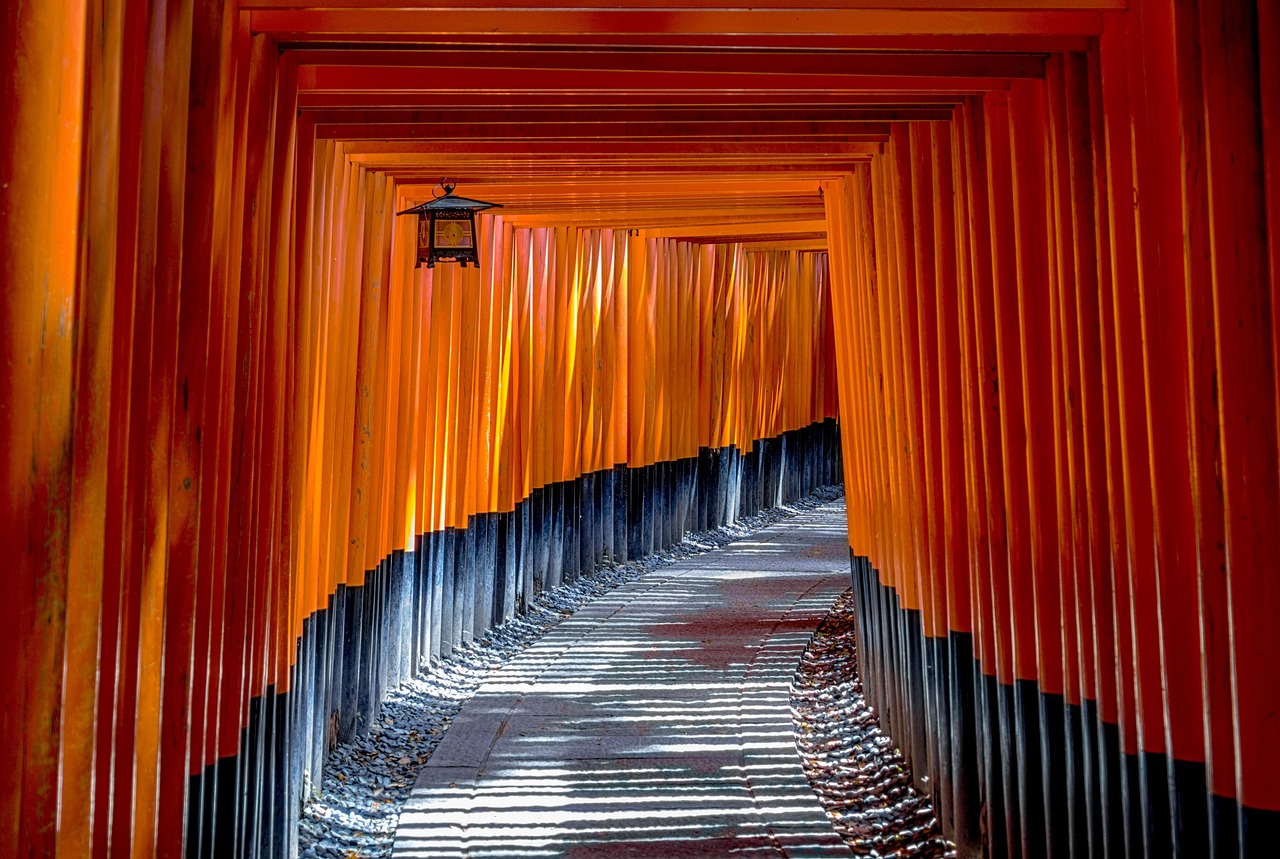
Take the bullet train from Tokyo Station. Stay near Kyoto Station or Kawaramachi. Day 5: Fushimi Inari at sunrise (fewer crowds). Day 6: Arashiyama bamboo grove, Kinkaku-ji, and a stroll through Gion. Day 7: wander the Philosopher’s Path and hit Nishiki Market for street food. Estimated daily cost: ¥8,000-15,000 (Kyoto can be pricier if you eat well).
Days 8-10: Osaka via local train (30 minutes, ¥560)
Osaka is a food city. Day 8: Dotonbori and Kuromon Market. Day 9: Osaka Castle, Shinsekai, and a takoyaki cooking class. Day 10: catch any last souvenirs, then head to Kansai Airport (hourly train). Estimated daily cost: ¥7,000-10,000.
Accommodation recommendation by stop: Tokyo: capsule hotel for one night, business hotel the rest. Kyoto: hostel with social common area. Osaka: hostel or budget business hotel.
Use this as a starting point. Adjust based on your energy levels and interests.
Is a JR Pass Worth It for Solo Travelers?
Almost every solo traveler asks this. The answer is situational.
Buy the JR Pass if: you’re doing the Tokyo-Kyoto-Osaka loop in 7 days or less. A 7-day pass is ¥50,000 (as of late 2024). A round trip Tokyo-Kyoto alone is ¥27,000. Add Kyoto-Osaka and Osaka back to Tokyo, and you’re looking at closer to ¥32,000. The pass covers the difference plus free local JR rides. It can pay off.
Buy individual tickets if: you’re staying mostly in one city (e.g., 10 days in Tokyo with one day trip to Kamakura). A local ticket to Kamakura is ¥900. The pass is wasted.
My rule: calculate the price of each planned Shinkansen trip individually, add them up, compare to the pass price. If the pass is cheaper by ¥5,000 or more, buy it. If not, skip it.
You can check current JR Pass prices on Klook here. Prices rise annually, so check shortly before departure.
Solo Travel in Japan Budget: How Much Does It Really Cost?
Here are realistic daily budgets for solo travelers in Japan. Exchange rate: ¥100 = $0.67 (rough).
Backpacker: ¥6,000-9,000/day
- Hostel dorm: ¥2,500-4,000
- Convenience store meals: ¥800-1,200
- Local transport: ¥500-1,000
- Free attractions (temples, parks): ¥0-500
- Bed + food + local moves.
Mid-range: ¥10,000-16,000/day
- Business hotel: ¥5,000-8,000
- Two cafe/restaurant meals: ¥2,000-4,000
- Train day pass + one small attraction: ¥1,500-3,000
- A konbini breakfast, a solid lunch, a dinner out.
Comfort: ¥18,000-35,000/day
- Hotel: ¥10,000-20,000
- Fine dining or multi-course meal: ¥5,000-10,000
- Private tour or guided activity: ¥5,000-10,000
- You’re not worrying about cost.
Eating alone can be cheaper than eating with a group. Convenience store onigiri and sushi are ¥100-300 each. Hostel kitchens exist but are basic. I typically eat one konbini meal per day and one restaurant meal to stay within mid-range.
Cash is still king for smaller places, but most mid-range restaurants and hotels accept credit cards. Withdraw ¥10,000-20,000 at an ATM upon arrival. A money belt can help keep your cash and passport secure while moving between cities.
Best Accommodations for Solo Travelers in Japan
Capsule hotels: ¥3,000-5,000. Unique experience. Limited privacy. Great for one night. Choose a well-reviewed one with luggage storage. Skip if you’re claustrophobic.
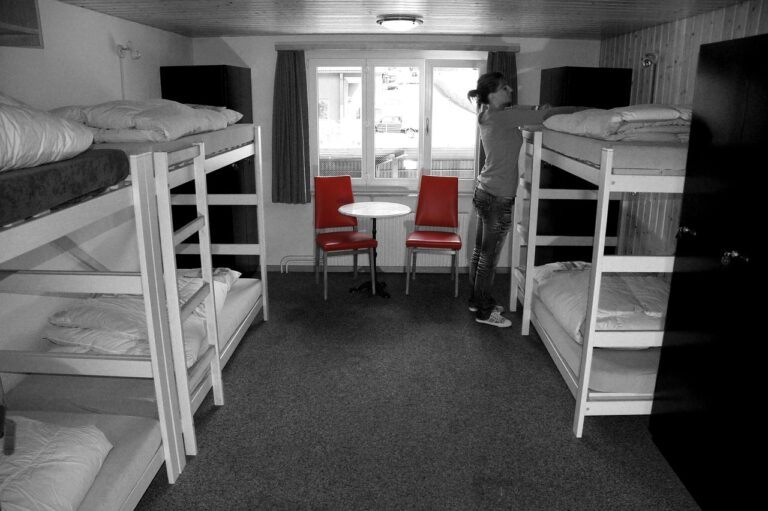
Hostels: ¥2,500-5,000 for a dorm. Social, clean, often with common kitchens. Good for meeting people. Book via Hostelworld for trusted reviews.
Business hotels: ¥5,000-8,000 for a private room. Minimal but functional. Perfect for privacy and reliability. Chains like APA Hotel or Super Hotel are everywhere.
Ryokan: ¥15,000-30,000+. Traditional inn with onsen and kaiseki dinner. Best for a splurge night after a long week. Book via Booking.com for flexibility or Klook for special offers.
I usually book hostels for my first and last nights in a city (social, central) and business hotels for the middle nights (quiet, sleep quality). For solo travelers, check Booking.com for flexible cancellation and user reviews.
Eating Alone in Japan: Tips, Food Customs, and Where to Go
Dining alone in Japan is normal. No one stares. No one pities you. The culture is built for solo diners.
- Ramen shops: Pay at the vending machine outside. Hand the ticket to the counter staff. Eat in silence. Perfect for solo travelers.
- Conveyor belt sushi: Grab plates as they pass. Pay by the plate. Easy, cheap, and efficient.
- Convenience stores: Onigiri, tamagoyaki sandwiches, fried chicken, instant ramen. Fresh food daily. Spend ¥500-800 for a filling lunch.
- Izakayas: Small Japanese pubs. Counter seating is common. Order small dishes and a beer. Can be social if you sit at the bar.
Etiquette tip: never tip. It’s rude. The service charge is included. After your meal, say “gochisousama deshita” (thank you for the meal). It’s polite and locals appreciate the effort.
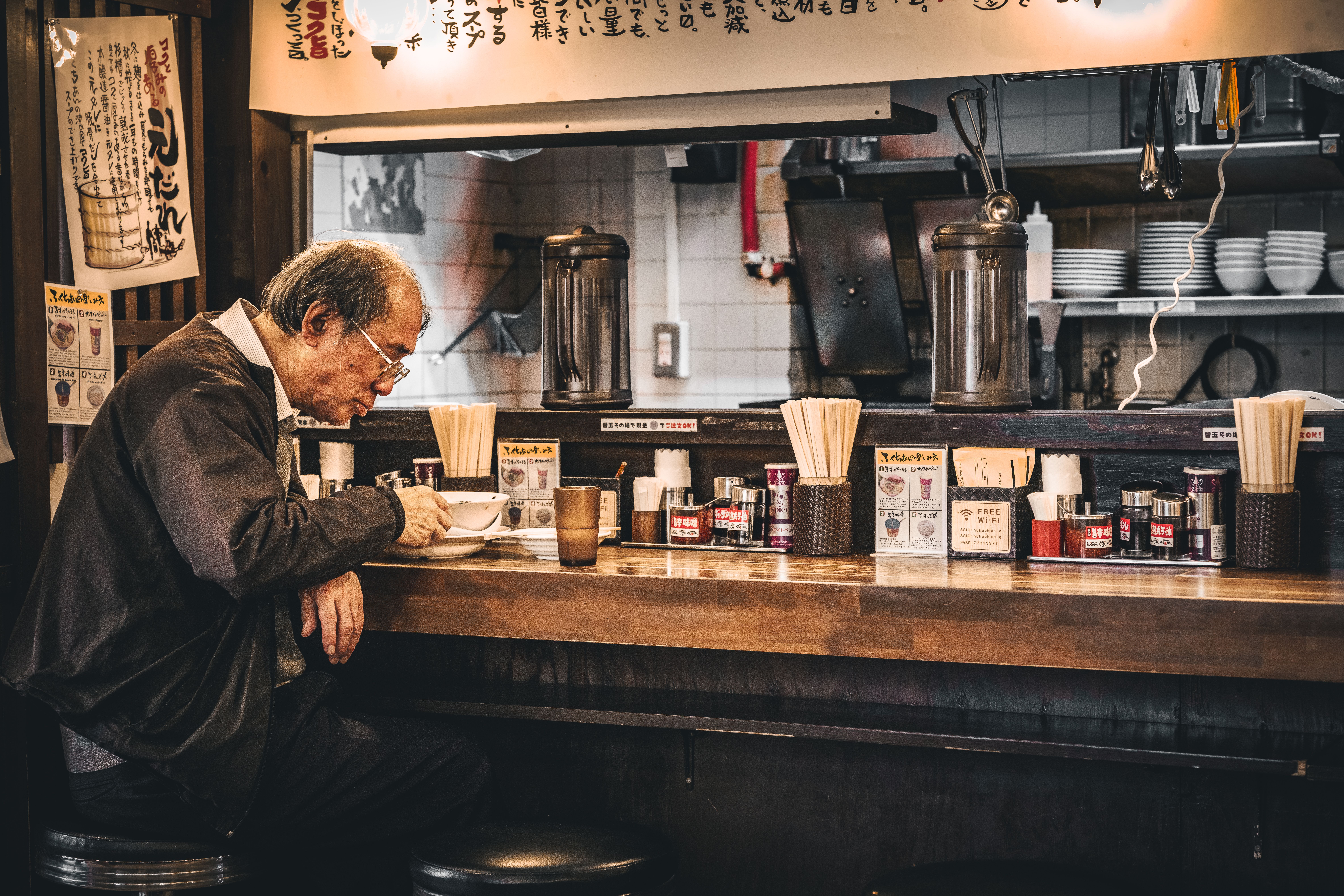
Solitary eating isn’t awkward. It’s efficient.
Navigating Japan Solo: Transport Tips for First-Timers
Get an IC card. Suica or Pasmo. Tap on trains, buses, and vending machines. Refill at any station. Worth buying on day one.
Use Google Maps. It works for trains, buses, and walking. Look for the specific platform number and exit number. It’s usually accurate to the minute.
Train etiquette. No eating or drinking on local trains. Silent mode on your phone. Don’t talk loudly. Priority seats are for elderly, pregnant, or disabled passengers. Follow the rules and you won’t attract attention.
Shinkansen platform rules. Tickets are checked at the gate. You can buy bento boxes and drinks inside the station for the trip. The doors close quickly. If you’re late, you lose the ticket.
When taxis are worth it. Only when trains stop (after midnight) or if you’re carrying heavy luggage and your hotel is 10+ minutes from the station. Otherwise, public transport is faster. Use the JapanTaxi app or GO app. Tipping is not required.
One game-changer: takkyubin (luggage forwarding). Send your suitcase from your Tokyo hotel to your Kyoto hotel for ¥1,500-2,000. It arrives the next day. You travel light. Use it for legs between cities. I do this every trip.
Essential Gear for Solo Japan Travel
These items solve real problems for solo travelers. I’ve used all of them on multiple trips.
- Portable Wi-Fi or eSIM. airalo eSIM activates immediately after purchase. Japan Wireless pocket Wi-Fi has better coverage in rural areas. I bring both for backup.
- Universal power adapter. Japan uses Type A/B (two flat pins). If you’re coming from Europe or the UK, you’ll need an adapter. This universal travel adapter works everywhere and has USB ports.
- Comfortable walking shoes. You’ll walk 15,000-25,000 steps daily. A good pair of walking shoes or trail runners makes a difference. Don’t buy new shoes for the trip. Break them in for two weeks at home.
- Money belt or hidden pouch. For your passport and extra cash. Keeps valuables close. This one is comfortable under a shirt.
- Reusable water bottle. Japan has free water fountains at temples and parks. Staying hydrated in summer is important.
- Small daypack. Something 15-20 liters. Fits a jacket, water bottle, camera, snacks, and your eSIM-powered phone. This Osprey daypack is popular for a reason.

Common Solo Traveler Mistakes in Japan (and How to Avoid Them)
- Overpacking. You don’t need five pairs of shoes. You don’t need a hair dryer. Use takkyubin or travel light. What to do instead: pack for 5-7 days, do laundry in a coin-op at your accommodation, then replenish.
- Not learning basic phrases. “Sumimasen” and “Onegaishimasu” are essential. “Arigatou gozaimasu” buys goodwill. What to do instead: spend 15 minutes on Duolingo or a phrase book.
- Too rigid itinerary. You’ll want to linger in a random temple or skip a rainy day. What to do instead: plan one activity per day, keep two as flexible options.
- Not reserving popular attractions. Ghibli Museum, teamLab Borderless, and some Kyoto temples require reservations days or weeks in advance. What to do instead: check availability at least 2 weeks before your trip.
- Using too much cash. Card acceptance is good in cities but not everywhere. Small shops and food stalls are cash-only. What to do instead: carry ¥10,000-20,000 in small bills and top up when needed.
- Not building in downtime. Japan is stimulating but can burn you out. 20,000 steps daily plus navigating a foreign culture is draining. What to do instead: schedule one half-day with nothing. Sleep in. Read in a park. Recharge.
Final Tips for a Successful Solo Japan Trip
Japan is safe, efficient, and deeply accommodating for solo travelers. But the best trips come from three things.
Be flexible. If a temple is crowded, walk a few blocks. You’ll find something better. The best meals I’ve had in Japan were in tiny ramen shops I stumbled into because the famous one had a 45-minute line.
Embrace the solitude. Eating alone, sitting in an onsen, or walking through a bamboo forest at 6 AM are experiences you don’t get when traveling with others. Lean into it.
Plan the big things, leave room for small ones. Book your JR Pass or Shinkansen tickets in advance. Reserve your first two nights of accommodation. After that, adapt.
Use the itinerary above as a starting point. Check current JR Pass prices here to lock in your best rate. With basic prep, a willingness to learn, and a sense of curiosity, you’ll find solo Japan travel is less intimidating and more liberating than you expected.
Solo Backpacking Europe: Budget Tips and Routes That Actually Work
Colombia Adventure Travel: Cities, Coast, and Jungle
Solo Travel in South America: The Complete Backpacking Guide