How to Overcome Fear of Solo Travel: A Practical Guide
Why Fear of Solo Travel Is So Common (And Normal)
If you’re trying to figure out how to overcome fear of solo travel, the first thing to know is that you’re not broken. Nearly every solo traveler I’ve met started with a knot in their stomach. The fears are predictable: safety, loneliness, getting lost, and the weight of making every decision yourself. A 2023 survey from a major travel association found that nearly 60% of first-time solo travelers cited fear as their primary barrier. That’s more than half. These fears are rational—your brain trying to protect you from the unknown. The good news is that fear is solvable, not by pretending it doesn’t exist, but by building a system that replaces uncertainty with preparation. This article walks you through practical steps that actually work for real trips.

Step 1: Start Small with a Local Solo Trip
The biggest mistake people make is trying to conquer solo travel with a two-week trip to Thailand or Peru. That’s like learning to swim by jumping into the ocean. Start small. Plan a one- or two-day solo trip to a nearby city or a nature spot you’ve visited before. The stakes are low. If something goes wrong, you’re an hour or two from home.
For logistics, pick a place with reliable public transport and at least one café or restaurant you’d feel comfortable eating at alone. Pack light: a change of clothes, a book, your phone charger, and a small daypack. The goal isn’t an epic adventure. It’s to prove to yourself that you can handle the basics—booking a room, navigating a new street, eating a meal alone without feeling awkward. I recommend a simple travel journal for this trip. Writing down what worked and what felt uncomfortable helps you process the experience. A pocket-sized journal works well for this. After one or two small trips, the idea of a longer journey starts to feel manageable instead of terrifying.
Step 2: Research Your Destination Like a Pro
Anxiety thrives on ambiguity. The more you know about a place, the less room there is for fear to grow. That’s why thorough research is one of the most effective tools for overcoming fear of solo travel.
Start with safety. Check government travel advisories for general risk levels, but also look up local neighborhood safety maps. In many cities, crime is concentrated in specific areas, while tourist zones are well-patrolled and safe. Next, map out your transport options. Learn the local bus or metro system, and save offline maps using Google Maps. Rome2Rio is a solid backup for figuring out connections between cities or regions. Finally, learn a few local customs—how to greet people, whether tipping is expected, and what to wear in certain settings. This kind of preparation replaces the vague feeling of “something might go wrong” with a concrete plan.
One practical upgrade: get a portable Wi-Fi device or a local SIM card before you leave. Constant connectivity lets you look up directions, call for help, or just check in with family. Knowledge gives you control. Control kills fear.

Step 3: Choose Accommodation That Supports Solo Travelers
Your choice of accommodation sets the tone for the entire trip. For solo travelers, it’s not just about price or location—it’s about how the environment makes you feel.
Hostels are the best option if you want to meet people. The social atmosphere is built in. Dorm beds are cheap, and most hostels organize walking tours, pub crawls, or family dinners. If you’re an extrovert or worried about loneliness, this is your move. Hotels offer more privacy and often better security. If your primary fear is safety, a hotel with a 24-hour front desk and a room that locks properly can give you peace of mind. Guesthouses or B&Bs sit in the middle. You get private space but also a local host who can offer recommendations and keep an eye on you.
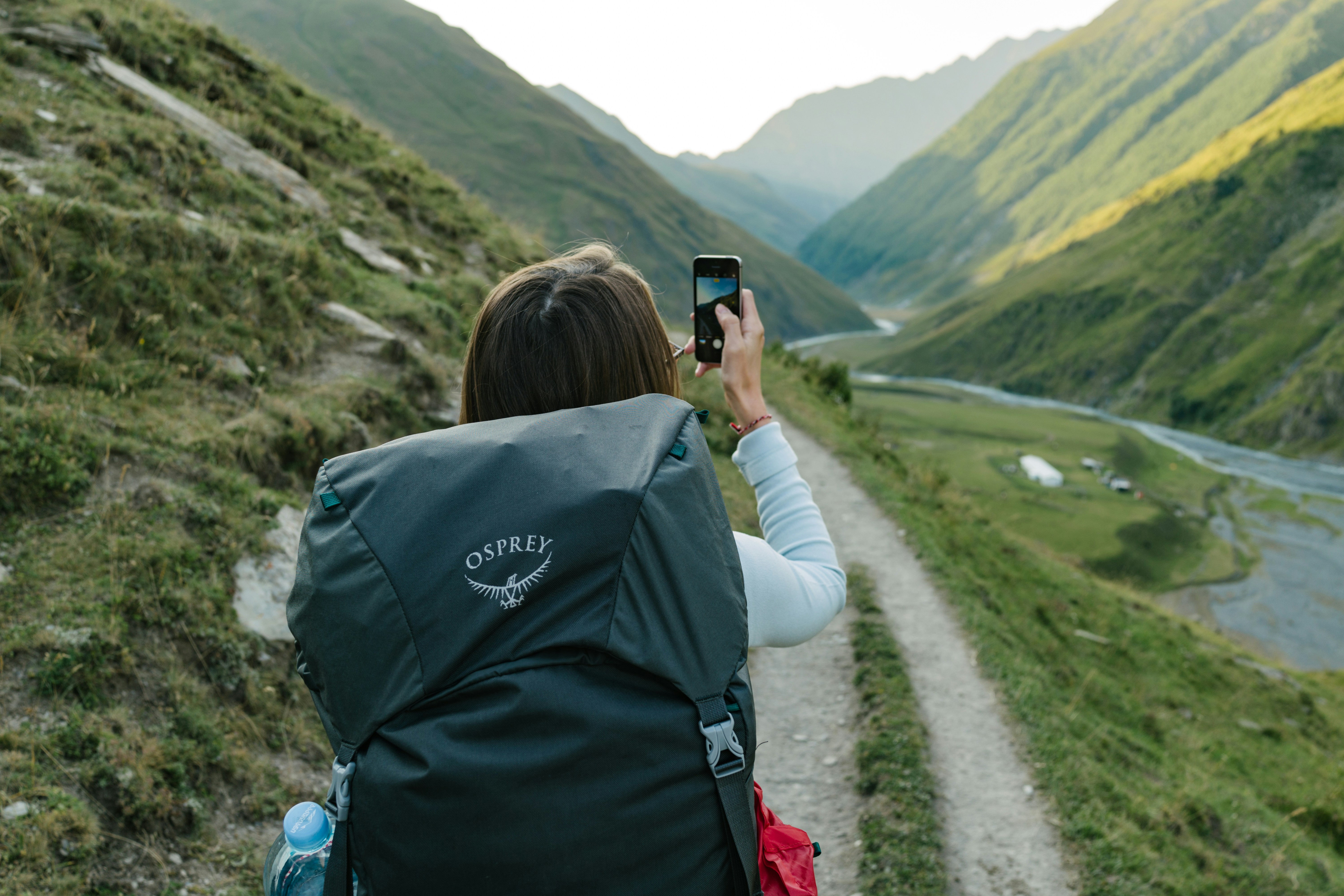
When booking, don’t just read the star rating. Filter reviews for keywords like “solo traveler” or “single room.” That’s where you’ll find honest feedback about how welcoming a place really is. Compare options on booking platforms and check cancellation policies. Book something refundable for your first few nights; it removes the pressure of being locked in.
Common Mistake: Overpacking and Carrying Too Much
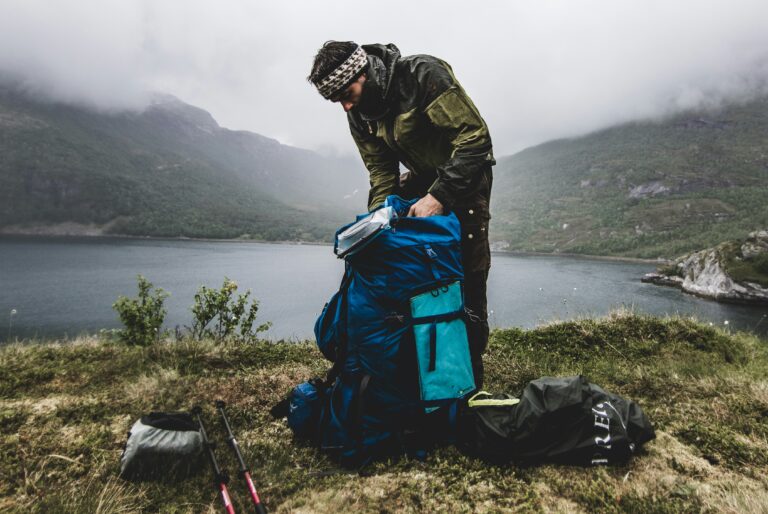
Overpacking is the single most common mistake I see new solo travelers make. They bring three pairs of shoes, a full toiletry kit, and clothes for every possible scenario. The result is a 25-kilogram suitcase that makes moving between trains or hostels a nightmare. Here’s the truth: you need less than you think.
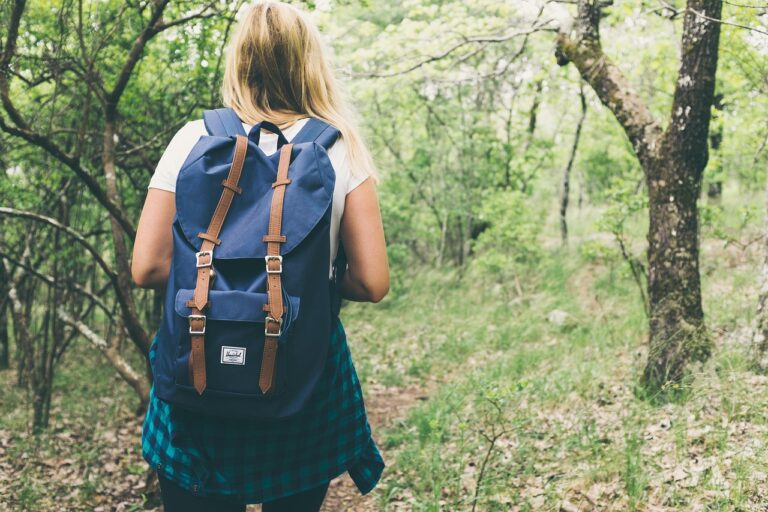
A lightweight carry-on bag (40–45 liters) and a small daypack are enough for most trips lasting up to two weeks. Stick to versatile clothing—three tops, two bottoms, one jacket, and comfortable walking shoes. Packing cubes help keep everything organized so you’re not digging through your bag at every stop. The less you carry, the easier it is to stay flexible and spontaneous. A good set of packing cubes costs around $20 and makes a real difference. Avoid the urge to buy a giant suitcase. You’ll thank yourself after your third bus transfer.
Safety Gear That Actually Makes a Difference
Let’s be clear: the best safety tool is situational awareness. No gadget replaces paying attention to your surroundings. That said, a few pieces of gear add a real layer of security without turning your bag into a tactical backpack.
A door wedge alarm is useful for hostel dorms or budget hotels where you’re unsure about the door lock. It costs about $10 and slides under the door. If someone tries to enter while you’re asleep, the alarm triggers and gives you time to react. An RFID-blocking wallet protects against digital pickpocketing in crowded metro stations or tourist spots. A personal alarm—small, loud, easy to clip onto a bag—is cheap peace of mind for evening walks. Don’t buy overpriced “travel security kits” that include items you’ll never use. Stick to the basics.
How to Handle Loneliness When It Hits
Loneliness will happen. It’s not a sign you’ve failed at solo travel. It’s a normal part of the experience. The key is having strategies ready for when it does.
One of the easiest fixes is joining a free walking tour on your first day in a new city. You’ll meet other travelers immediately, and the guide gives you a lay of the land. Apps like Meetup or Couchsurfing Events can connect you with local gatherings or hobbies. I also recommend a daily call-home routine. A short video call with a friend or family member keeps you grounded and reduces the feeling of isolation. Finally, keep a small journal and write a few lines each evening. It turns solo travel into a conversation with yourself. Not every moment has to be fun. Sometimes it’s just experience, and that’s enough.

Solo Travel Day Routine That Builds Confidence
A flexible routine is a secret weapon for solo travelers. It gives you structure without killing spontaneity. Here’s a sample day that works well for most people: morning coffee at a local café (good people-watching, low pressure), one main activity (a museum, a hike, a neighborhood walk), then lunch. Afternoon is for rest or passive exploration—reading in a park, browsing a market. Evening is a walk or a quiet dinner.
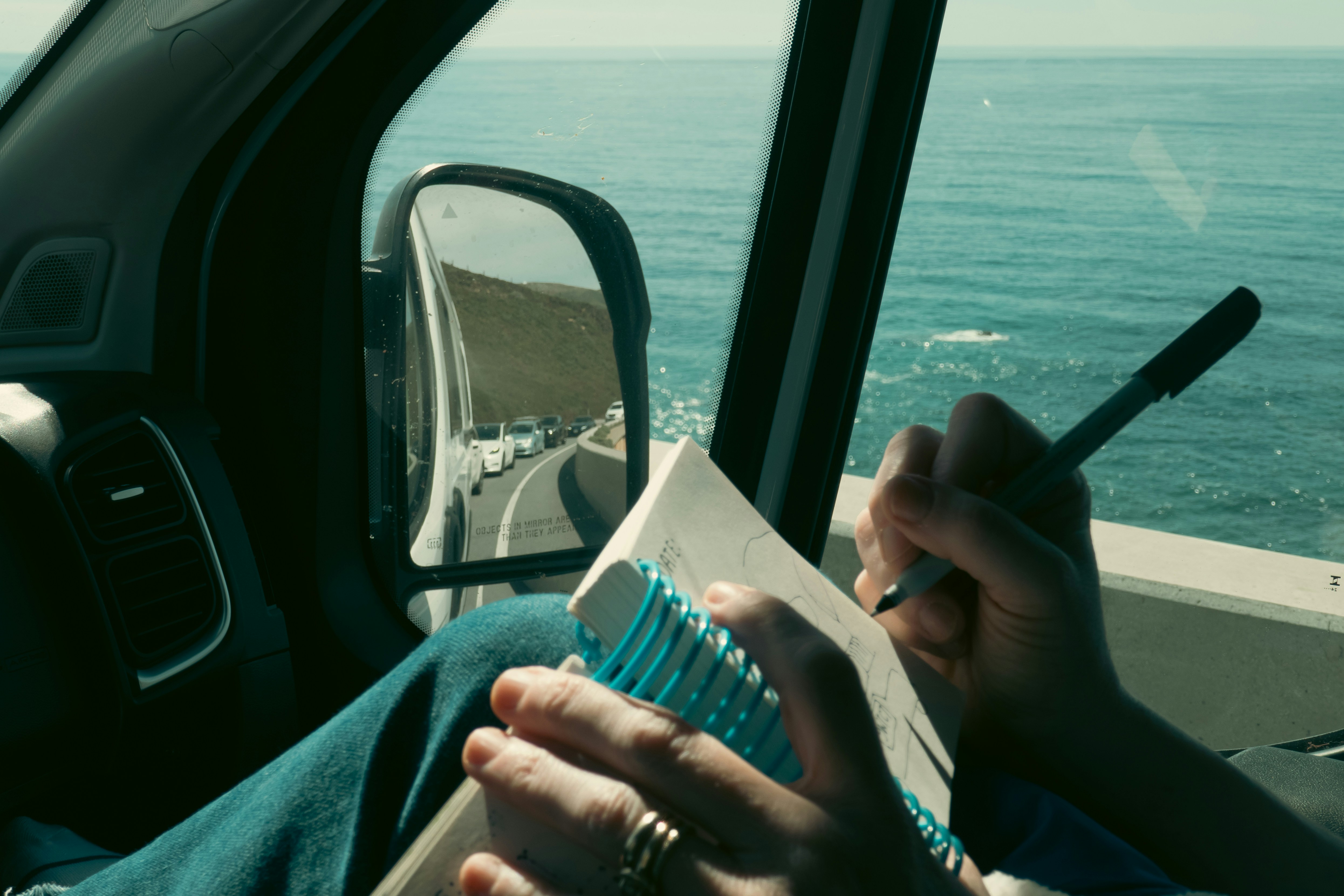
Having a routine reduces decision fatigue. You don’t have to figure out every moment. You can also break the routine anytime something interesting pops up. Two things worth carrying daily: a travel-friendly water bottle and a portable charger. Staying hydrated and having a charged phone solves most small problems before they become big ones.
The Truth About Solo Travel Safety Statistics
Perception and reality don’t always match when it comes to safety. According to global crime data from Numbeo, most popular solo travel destinations—Japan, Portugal, Iceland, New Zealand, Thailand—have significantly lower violent crime rates than many travelers assume. The risk of being a victim of a serious crime in tourist areas is statistically very low. The far bigger risk is pickpocketing in crowded spaces or minor scams.
That doesn’t mean you should be careless. It means the fear is often disproportionate to the actual danger. Focus on situational awareness: keep your phone in your front pocket, don’t walk alone in poorly lit areas late at night, and trust your gut if something feels off. Most solo travelers return without incident. Your brain will try to convince you otherwise. The data says otherwise.
Creating a Solo Travel Prep Checklist
A concrete checklist turns fear into action. Here’s one you can use for your next trip:
- Research done: safety stats, neighborhood maps, transport routes, local customs
- Accommodation booked: refundable first night, reviews filtered for solo travelers
- Gear packed: daypack, packing cubes, door wedge alarm, RFID wallet, portable charger, water bottle, journal
- Apps installed: offline maps (Google Maps), translation tool (Google Translate), messaging app (WhatsApp), ride-sharing (Uber/Lyft local equivalent)
- Emergency contacts shared: flight info, accommodation address, itinerary with a friend or family member
- Documents saved: digital copies of passport, visa, insurance in cloud storage and on phone
Print this list or save it as a note. Tick items off as you complete them. It turns the process from overwhelming to manageable. If you want a more structured system, a travel planner notebook can hold your checklists, itineraries, and journal entries in one place. It’s a small investment that pays off in clarity.
What to Do If Fear Returns Mid-Trip
Sometimes fear hits you in the middle of the trip. Maybe you arrive in a city and feel immediately overwhelmed. Or you’re sitting in a hostel and the silence feels too heavy. Here’s a three-step response that works: first, pause and breathe for 60 seconds. Don’t make a decision while your heart is racing. Second, change your environment. Go for a walk, find a café, sit in a park. Staying in your room only feeds the spiral. Third, call someone you trust. A five-minute conversation with a friend can reset your perspective.
Solo travel doesn’t have to be perfect. It’s okay to take a rest day or book a group tour to take the pressure off. If local tours are available, day trips with local guides are a good option. You’re still solo traveling—you’re just being smart about it.
Final Thoughts: Your First Solo Trip Starts with One Step
Overcoming fear of solo travel isn’t about eliminating fear entirely. It’s about learning to move forward despite it. Start small. Research thoroughly. Choose the right accommodation. Pack light and bring gear that actually helps. Accept that some moments will be uncomfortable. And remember that every seasoned solo traveler you admire once booked their first night alone, felt the same doubt, and went anyway. Your first trip starts with one step. Book one night somewhere. The rest will follow.
What’s the first solo destination you’re planning? Leave a comment below or share this article with someone who needs to hear it.