The Best Action Cameras for Adventure Travel: A Practical Guide
Introduction
If you’re an adventure traveler, you know the routine: you’re about to spend serious money on an action camera, and every brand claims theirs is the best. But real-world capturing—a dusty mountain bike descent, a freezing ski run, or a murky dive site—doesn’t look like the polished marketing videos you see online. This guide is for people who actually travel hard and need a camera that keeps up, not just looks good on a spec sheet.
We’re cutting through the influencer hype. I’ve spent years testing these cameras in actual travel conditions—from the humid jungles of Southeast Asia to the sub-zero peaks of the Alps. This isn’t about which camera has the highest megapixel count or the most cinematic color profile. It’s about what actually works when you’re exhausted, your hands are wet, and you need a reliable shot. By the end of this, you’ll have an unbiased, fieldwork-based comparison of the current best action cameras for adventure travel, along with the tradeoffs, durability quirks, and real-world image quality you can expect.

What Makes a Great Action Camera for Adventure Travel?
Before we dive into specific models, let’s get one thing straight: specs on a screen mean almost nothing if the camera can’t survive your trip. Here are the criteria that actually matter when you’re miles from a power outlet or swapping gloves in a snowstorm.
Ruggedness and Waterproofing (Without a Housing): The big question is depth rating. A camera waterproof to 10m (33ft) without a housing is a different beast than one that needs a plastic shell for a shallow snorkel. For diving, you’ll need a housing anyway, but for general use (rain, splashes, dropping it in a puddle), a camera that doesn’t need a case is a game-changer for day-to-day durability.
Battery Life in Cold/Wet Conditions: Lithium-ion batteries hate the cold. A battery that lasts 90 minutes in a 70°F studio can die in 30 minutes on a -10°F ski slope. This is a silent killer of adventure footage. Look for cameras with user-replaceable batteries and a reputation for cold-weather resilience, not just a big mAh number.
Stabilization Quality: Shake-free footage is non-negotiable for most adventures. But not all stabilization is created equal. A camera with excellent electronic stabilization (like HyperSmooth) can make a bumpy mountain bike ride look like a gimbal shot, while another might produce weird warping in the edges (the “jello effect”). This is the one spec that separates the pros from the also-rans for fast action.
Mounting Versatility: A camera is useless if you can’t attach it to your helmet, bike, tripod, or whatever. Standard GoPro-style mounting is the industry standard for a reason—it works with everything. Travelers who need a wide range of mounting options can find various accessories for action camera mounting kits to cover most situations. Some cameras use proprietary mounts, which can be a headache if you lose one or need something specific in a remote location.
Ease of Use with Gloves or Wet Hands: Tiny buttons and touchscreens are impossible to operate with ski gloves or wet hands. Physical buttons with good tactile feedback are a huge advantage. A camera that requires precise pokes on a glass screen is a liability in the field.
The Contenders: A Quick Overview of Top Models in 2025
Here’s the current lineup of action cameras you should be looking at for adventure travel. Each one has a distinct personality, and none is perfect for every kind of trip. This list is your table of contents for the detailed breakdowns below.
- GoPro Hero13 Black: The industry standard. Best-in-class stabilization (HyperSmooth 6.0) and a massive ecosystem of accessories. It’s the safe bet, but it comes with compromises in battery life and potential overheating.
- DJI Osmo Action 5: The battery-life king. Dual screens, excellent low-light performance, and a magnetic mounting system. It’s building a strong reputation for reliability over long days.
- Insta360 Ace Pro: The creative wildcard. 360-degree capture that lets you reframe shots in post-production. It’s the most fun for social media but requires more editing time.
- Sony RX0 II: The photographer’s choice. A 1-inch sensor for much better still photos and video quality than any other action cam, but with no built-in stabilization. It’s niche but unbeatable for its purpose.
GoPro Hero13 Black: The Industry Standard, but Is It Still the Best?
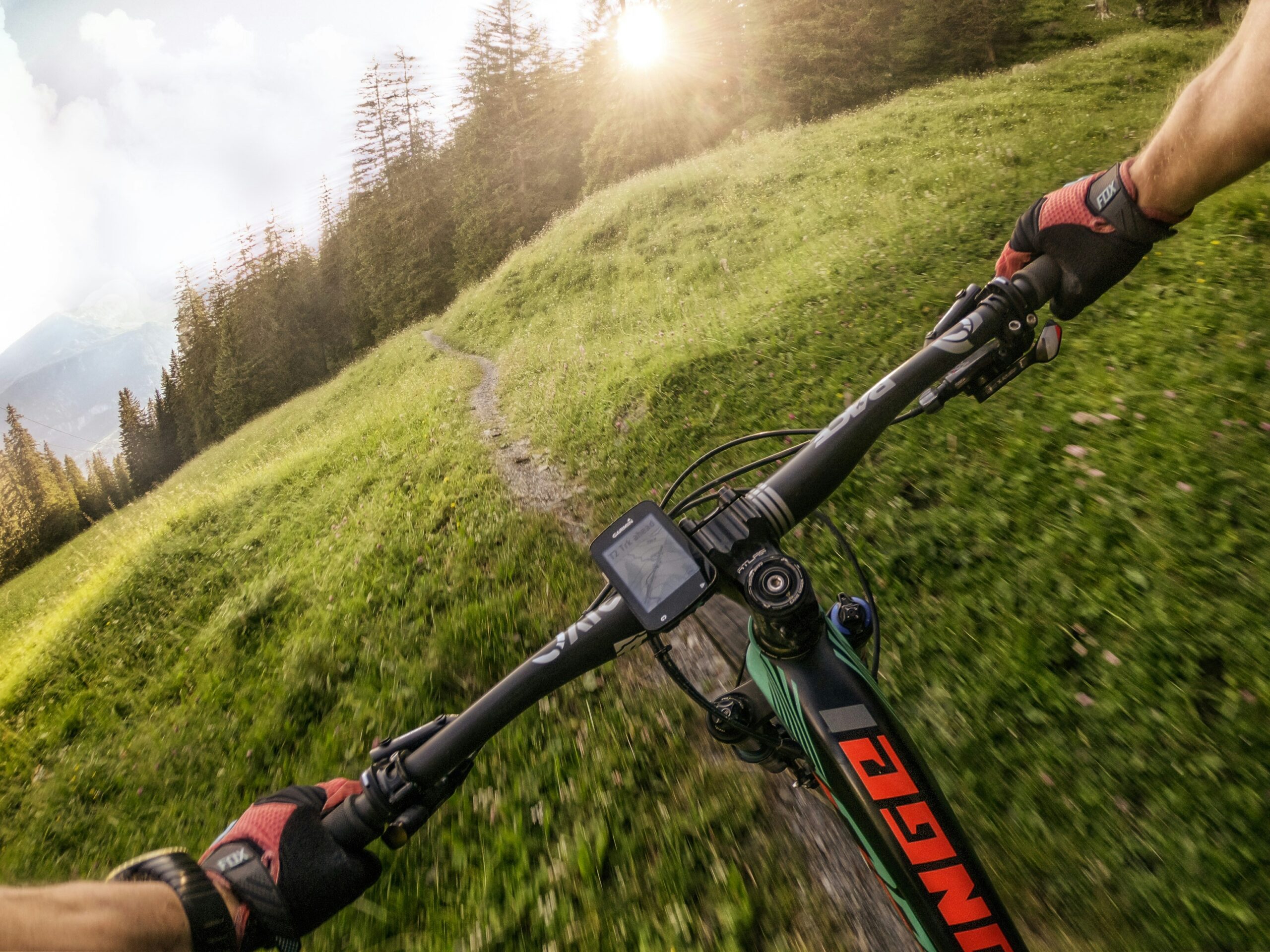
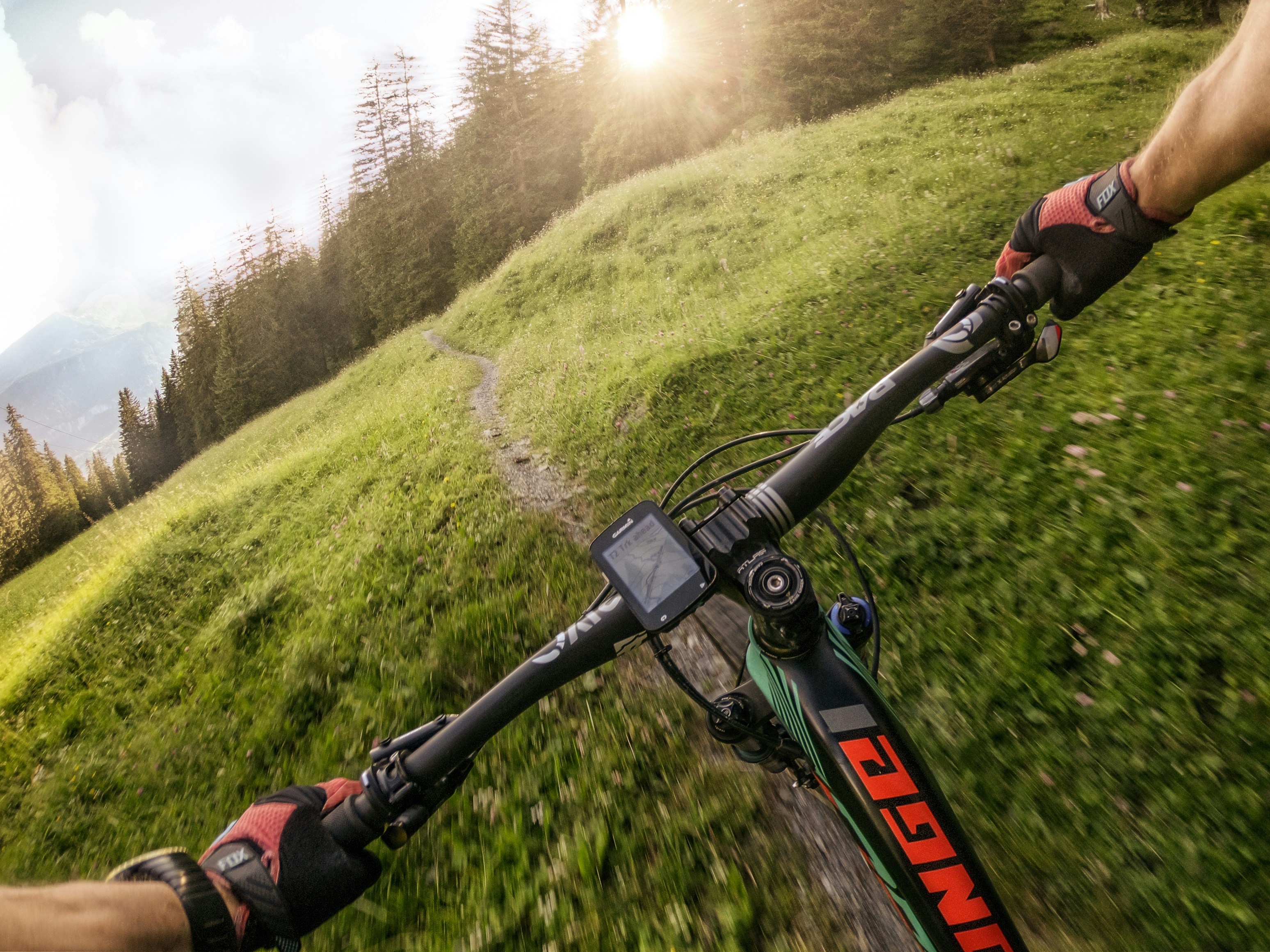
The GoPro Hero13 Black is the benchmark for a reason. Its HyperSmooth 6.0 stabilization is, frankly, magical. I’ve used it on a mountain bike trail where I was bouncing off rocks, and the final footage looked like I was riding on a freshly paved road. It’s so good that it can make even mediocre footage look professional, which is why it’s the go-to for skiers and mountain bikers. The modular accessory system—with the Max Lens Mod for an ultra-wide field of view and the Media Mod for better audio—makes it incredibly versatile for vlogging or more structured filming.
The tradeoffs are real, though. Battery life is the single biggest complaint. In cold weather (say, 20°F during skiing), you’ll be lucky to get 30-40 minutes of 4K recording before the battery dies. You will need multiple batteries for a full day. It also has a tendency to overheat when shooting 4K at 120fps for extended periods, especially in warmer climates. And that subscription model for full cloud access? It’s annoying, but the GoPro Quick app is actually useful for editing on the go. The bottom line: the Hero13 is best for people who need the absolute best stabilization and are willing to manage battery swaps. Avoid it if you want a camera that runs all day without thinking.
DJI Osmo Action 5: The Challenger with Better Battery Life
The DJI Osmo Action 5 is the most serious competitor to GoPro, and for adventure travelers, it might be the better all-rounder. The defining feature here is battery life. I shot a 6-hour hiking day—with intermittent recording—and still had 40% battery left. In cold conditions (around 15°F), it lasted nearly twice as long as the Hero13 before needing a swap. That’s a massive logistical advantage for multi-day treks or long ski tours. The dual screens (front and back) are also a godsend for vloggers or anyone who wants to frame themselves up.
The image is sharp, and low-light performance is genuinely excellent—much less grain in a dim forest or at dusk than the GoPro. The magnetic mounting system is also incredibly convenient; you can snap it on and off a chest mount or tripod without fumbling with screws. The downsides? The accessory ecosystem isn’t as deep as GoPro’s, though it covers the essentials. Also, the image can look slightly softer in high-motion scenes (like fast pans) compared to the Hero13. I’ve thrown this thing in rainstorms, dropped it in a river, and left it in a dusty backpack for weeks without a single failure. It’s tough. The DJI Osmo Action 5 is my pick for the traveler who prioritizes reliability and battery life over the absolute sharpest stabilization.

Insta360 Ace Pro: The 360-Degree Wildcard for Creative Shots
The Insta360 Ace Pro is a different animal. Its specialty is 360-degree capture. You record everything around you, and then in the mobile app, you choose your perspective after the fact. This is incredibly powerful for shots where you can’t plan your framing—like a hands-free walking shot through a market, or a selfie where you’re both in the frame. The “bullet time” effect (spinning the camera around you) is also a unique and shareable gimmick that works well for social media.
The tradeoff is substantial. Shooting in 360 mode generates massive files and requires extensive editing to get a usable clip. It’s not a point-and-shoot experience. In standard single-lens mode, the resolution is lower than a GoPro or DJI, so the image isn’t as crisp. The stabilization is good, but it doesn’t have the same polished feel as HyperSmooth. This camera is best for adventure travelers who want creative, cinematic content for Instagram or TikTok and are comfortable spending an hour editing a 30-second clip. Avoid it if you want a straightforward, grab-and-go camera. The 360-degree magic is powerful, but only if you’re willing to learn the editing workflow.
Sony RX0 II: The Compact Premium Option for Stills Lovers
Let’s be honest: most action cameras are bad at taking still photos. The Sony RX0 II is the exception. It packs a 1-inch sensor into a tiny, rugged body that’s waterproof to 10m without a housing. The photo quality is leagues above any GoPro or DJI, with proper depth of field, lower noise, and better color science. If your adventure travel is more about documenting landscapes and urban exploration than extreme sports, this is the camera you want. It shoots 4K video, but there’s one huge catch: no built-in stabilization.
Without stabilization, handheld video footage looks shaky and amateurish. You will need a gimbal (like the DJI RS3 Mini) or a tripod for any video work. This adds weight and complexity. The viewfinder is a tiny LCD that’s hard to see in bright sunlight. And it’s expensive—you’re paying a premium for the sensor and build quality. This camera is best for adventure photographers who want a rugged compact for climbing, diving, or urban exploration where every ounce matters and image quality is non-negotiable. It is not for vloggers or anyone who needs smooth handheld footage straight out of the box.
Action Camera Comparison: Key Specs at a Glance
Here’s a quick cheat sheet to compare the core logistics of these cameras. This should help you rule out models that simply don’t fit your budget or weight requirements.
- GoPro Hero13 Black: Price ~$449 / Weight 154g / Waterproof to 10m / Battery 1,720mAh (30-40min in cold 4K) / Stabilization: HyperSmooth 6.0 / Max Res: 5.3K60 / 4K120 / Mount: Standard GoPro
- DJI Osmo Action 5: Price ~$399 / Weight 145g / Waterproof to 10m / Battery 1,770mAh (60-70min in cold 4K) / Stabilization: RockSteady 3.0 / Max Res: 4K120 / 2.7K120 / Mount: DJI (adapter for GoPro)
- Insta360 Ace Pro: Price ~$429 / Weight 180g / Waterproof to 10m / Battery 1,800mAh / Stabilization: FlowState / Max Res: 4K60 (standard) / 5.7K30 (360) / Mount: Standard GoPro
- Sony RX0 II: Price ~$699 / Weight 132g / Waterproof to 10m / Battery 700mAh / Stabilization: None (digital) / Max Res: 4K30 / Mount: Standard (via accessory shoe)
Which Action Camera Is Best for Your Adventure Style?
This is where you match the camera to your specific type of adventure. Here’s a practical breakdown.
Hiking and Backpacking: Battery life is everything. You’re out for 8+ hours, and you can’t always swap batteries. DJI Osmo Action 5 is the winner here. It’s light, has the best battery, and the dual screen helps for selfies on the trail. Avoid the Sony RX0 II if you plan to shoot any video.
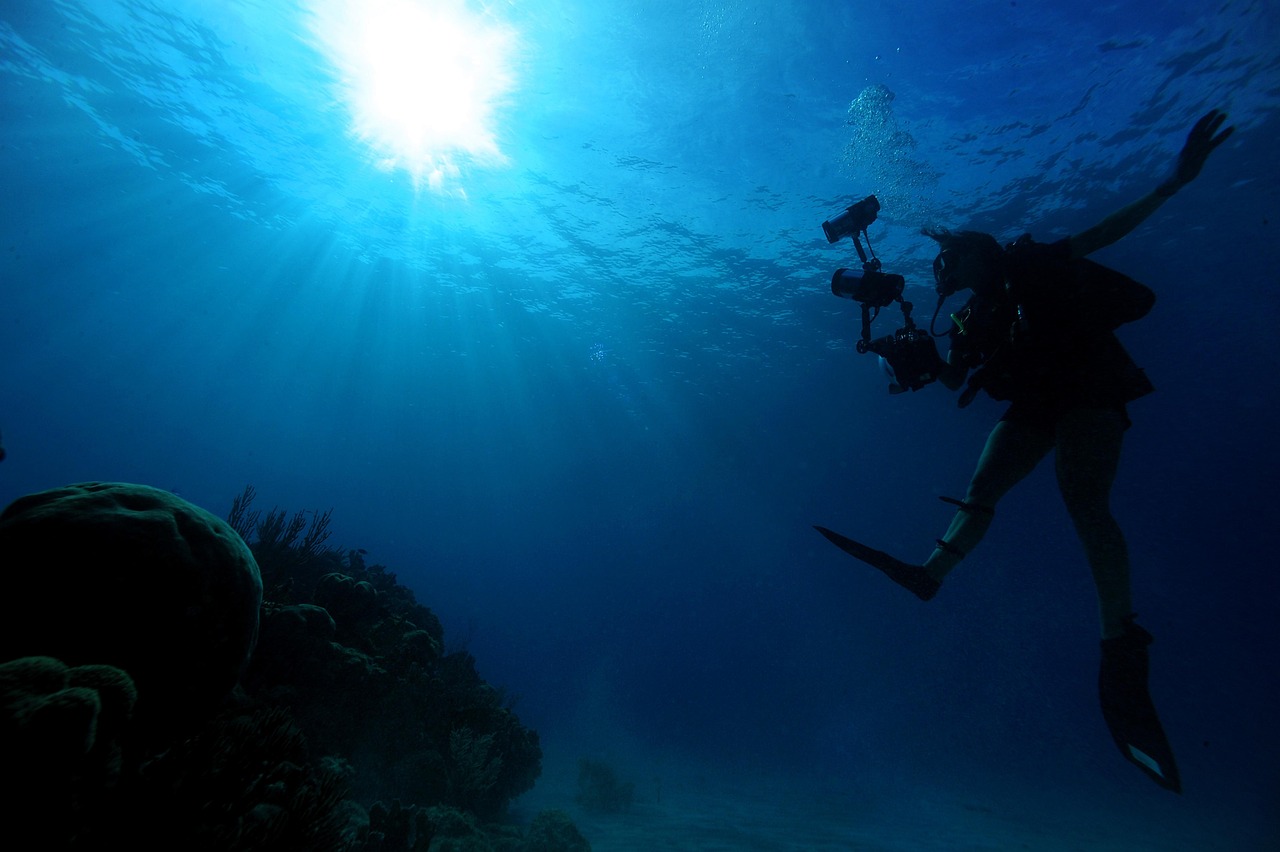
Diving and Snorkeling: Depth rating and color correction matter most. The GoPro Hero13 has excellent underwater color profiles and the most reliable housing ecosystem. You can take it down to 33ft without a case. The Sony RX0 II is unbeatable for stills underwater (with a housing for deeper dives), but avoid it for video unless you have a gimbal.
Skiing and Snowboarding: Cold-weather battery and stabilization are your friends. Both the GoPro Hero13 and DJI Osmo Action 5 perform well, but the DJI’s better battery life gives it an edge for a full day on the mountain. Avoid the Insta360 Ace Pro if you want simple, stable footage of your runs without editing.
Biking (Mountain or Road): Stabilization is the top priority for bike mounts, where vibration is worst. The GoPro Hero13 with HyperSmooth 6.0 is the clear leader here. The DJI Osmo Action 5 is close, but the GoPro is smoother for high-speed, chattery terrain. Avoid the Sony RX0 II unless you’re riding on perfectly smooth pavement and using a gimbal.
Urban Travel and City Exploration: Compactness and stills matter more than extreme durability. The Sony RX0 II is tiny, takes gorgeous photos, and is discreet. The DJI Osmo Action 5 is also good for vlogging your way through a city. Avoid the Insta360 if you want simple, immediate photos without any post-processing.

Essential Accessories for Adventure Travel with an Action Camera
Don’t drop $400 on a camera only to have it fail because you forgot a spare battery or lost your mount in a river. Here’s what you actually need for real-world adventure travel. (And yes, you can find all of these on Amazon.)
- Spare Batteries and a USB-C Charger: No debate. Get 2-3 extra batteries and a dual-battery charger that uses USB-C. I once had a GoPro die 20 minutes into a 6-hour hike in Nepal because I only had one battery. That was a long, boring walk back. Travelers who want to stay powered can look for action camera battery chargers that support quick USB-C charging.
- Waterproof Housing (for deep dives): If you’re going past 10m, you need a proper housing. It’s cheap insurance for a $400 camera. Don’t rely on the camera’s internal seal for deep scuba dives.
- Floating Hand Grip: For watersports—kayaking, rafting, jet-skiing. You will drop your camera in the water at some point. A bright yellow floating grip has saved my GoPro from a watery grave more than once.
- Head Mount or Chest Mount: For hands-free recording, these are essential. A chest mount gives a first-person POV for biking and skiing. A head mount is better for lightweight hiking or urban walks where you want to see your hands.
- High-Speed SD Card (U3 or V30): Don’t buy the cheapest card you find. You need a card with high write speeds (U3 or V30 rated) to handle 4K video. Otherwise, your camera will stop recording or corrupt footage. It happened to me on a surf trip; never again. For reliable performance, consider high-speed SD cards for action cameras rated U3 or V30.
- Small Tripod: For time-lapses, group shots, or stable video. A tiny, lightweight tripod that doubles as a handle is a brilliant investment. Look for one with a standard tripod mount.
Common Mistakes to Avoid When Buying an Action Camera
Here are the lessons I learned the hard way, so you don’t have to.
Mistake 1: Buying Based on Resolution Alone: I see people obsessing over 5.3K vs 4K. It’s pointless if the camera has lousy stabilization. A shaky 4K shot is useless. A smoothly stabilized 2.7K shot is publishable. Prioritize stabilization and battery over resolution.
Mistake 2: Ignoring the Waterproof Depth Rating: Don’t assume “waterproof” means you can take it scuba diving. Most action cams are only rated for shallow snorkeling (10m). For real diving, you need a housing. I once saw a guy shove his GoPro in a scuba tank without a housing; it flooded instantly.
Mistake 3: Assuming All Cameras Work Well in the Cold: I learned this on a -20°F ski mountaineering trip. The GoPro lasted about 15 minutes per battery. The DJI was better. If you ski, snowboard, or climb in cold climates, read reviews specifically about cold-weather battery performance. Don’t assume the marketing spec is your reality.
Mistake 4: Forgetting the Cost of Accessories and Subscriptions: The initial purchase is just the start. Add $100+ for batteries, mounts, and a housing. GoPro’s subscription is almost mandatory for cloud backup and discounts. The real cost of ownership is higher than the sticker price. Factor that in.
Mistake 5: Buying Too Many Mounts Before You Know What You’ll Use: I have a drawer full of useless mounts I bought on a whim. Start with one versatile mount (like a chest or head mount) and a mini tripod. You’ll quickly figure out what works for YOUR adventures. Buying a universal mount kit with 30 pieces is a waste of money.
Final Verdict: The Best Action Camera for Most Adventure Travelers
After testing all of these in the field, the winner for the average adventure traveler is the DJI Osmo Action 5. It strikes the best balance of battery life, durability, image quality, and ease of use. The almost double battery life in cold conditions makes it significantly more reliable than the GoPro for long days. The dual screens are a massive plus for vloggers. It’s not the absolute best at any one thing—the GoPro has slightly better stabilization—but it’s the best all-rounder for real travel.
The runner-up is the GoPro Hero13 Black. If extreme stabilization and the biggest accessory ecosystem are non-negotiable, get the GoPro. Just buy three batteries and a carrier case. You’ll need them.
For a budget alternative, consider the GoPro Hero12 Black (the previous generation). It’s still excellent and can be found for under $300. It doesn’t have HyperSmooth 6.0, but it’s a perfectly capable camera for most adventures. Or the DJI Osmo Action 4, which is almost identical to the Action 5 for a lower price, minus the magnetic mount. Ultimately, the best camera is the one that matches your specific adventure style, not the one with the highest number on the box.
Ready to Capture Your Next Adventure?
Don’t overthink this. Pick the camera that fits the way you travel, not the way a marketing team wants you to think you travel. If you’re a long-distance hiker or a ski tourer, the DJI is your answer. If you’re a mountain biker or skier who can’t get enough of buttery smooth footage, go with GoPro. A quick tip: before you click ‘buy,’ check if your chosen model is on sale or comes with a free memory card bundle. It happens often, and it’s an easy way to save money on those necessary accessories. Here are the current prices on Amazon for the cameras we’ve covered. Feel free to drop a comment below about your experiences—I’d love to hear which camera (or which adventure) made the difference for you.