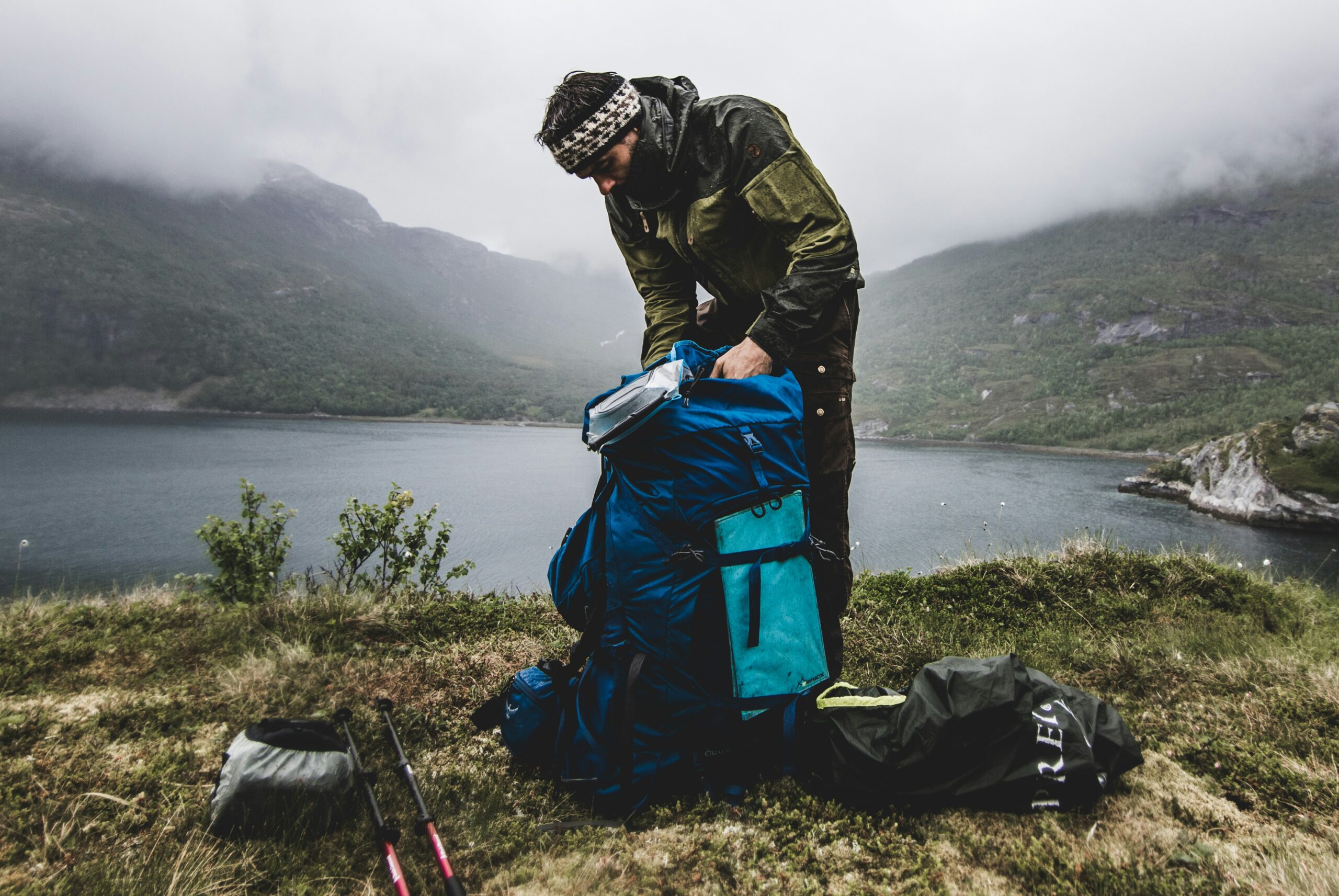
Must Have Solo Travel Safety Gear: 12 Items I Never Travel Without
Why Solo Travel Safety Gear Matters (And What Most People Get Wrong)
Most solo travelers pack safety gear the same way. They grab whatever looks intimidating or has the most locks and straps. Door wedges big enough to stop a battering ram. Pepper spray they can’t legally take past security. Keychain alarms that sound like insects in distress.
The real problem isn’t wasted space. It’s false confidence. When you rely on gear that fails or gets confiscated, you’re actually worse off because you dropped your guard. Good solo travel safety gear blends into your routine. You barely notice it until it matters.
I’ve traveled solo for over a decade through more than twenty countries. Hostels in Bangkok. Guesthouses in rural Nepal. Apartments in cities where I didn’t speak a word. Over time, I’ve narrowed down a short list of items that actually work. These are the pieces of must have solo travel safety gear I’d recommend to anyone heading out alone.

1. A Reliable Portable Door Lock
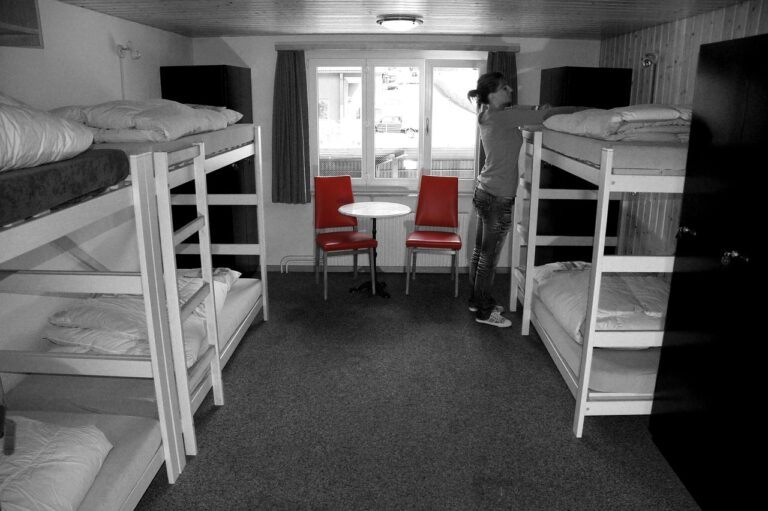
If you stay in hostels, budget hotels, or anywhere the door lock looks like it was installed in the 80s, a portable door lock is your first defense. The style I like uses a simple metal bracket with a sliding lock mechanism. You slide it over the existing latch and it reinforces the door from inside. Someone can pick the hotel lock all they want. They’re not getting past that bracket.
The gold standard is the Addalock or something similar. It’s a small block of metal that weighs almost nothing and fits in a pocket or small pouch. I’ve used mine in hostels in Berlin, guesthouses in Morocco, and a hotel room in Istanbul with a massive gap under the door. Travelers wanting a lightweight backup they can rely on might want to look at a portable door lock for extra security.
Most people default to door wedges because they’re cheap. Bad call. A door wedge works on a solid door with a smooth floor. On carpet, tile, or uneven surfaces, it slides. A portable lock is more versatile and harder to get around. Door alarms are another common choice, but they only alert you to entry, they don’t prevent it. The lock buys you time and peace of mind.
2. Anti-Theft Crossbody Bag or Sling
Nothing screams “tourist” louder than a backpack hanging off one shoulder with valuables on display. Anti-theft crossbody bags fix that without making you look like you’re headed to a security conference.
The features that actually count: a cut-resistant strap, locking zipper tabs, and an RFID pocket for your passport or cards. The strap is most important. In crowded markets or subway cars, someone with a razor can slash a regular strap and your bag is gone before you feel it. A cut-resistant strap stops that cold. Locking zippers are useful but not essential. I leave them unlocked in low-risk areas and lock them in transit or crowded spots.
RFID pockets are a bit overhyped. The risk of RFID skimming is real but low compared to old-school pickpocketing. Still, it’s one more layer and costs nothing extra.
Pacsafe and Travelon are the best brands. Pacsafe’s Citysafe series is what I usually carry. Comfortable sling design, multiple compartments, and the locking mechanism works with one hand. For urban solo travelers, this bag is non-negotiable. If you’re dealing with crowded transit or busy markets, a cut-resistant crossbody bag is worth having.
Practical tip: wear it front-facing, especially in crowds. Tuck it under your jacket in high-risk areas. In some destinations, a plain canvas bag works better because it doesn’t scream “expensive gear inside.” But for most situations, a quality anti-theft bag is the right call.
3. Portable Charger / Power Bank
This isn’t just a convenience item. It’s safety gear. A dead phone means no maps, no way to call for help, no booking confirmations, no way to contact your accommodation if plans change. I’ve had connections delayed in unfamiliar cities, missed the last bus, and had to figure out a backup plan with 10% battery. Not fun.
The sweet spot is a 10,000mAh power bank. That’s enough to charge a modern smartphone two to three times. Small enough to fit in a jacket pocket or small bag pouch. Anker is my go-to brand because they’re reliable and widely available. I’ve dropped mine on concrete, run it through rain, and it still works. For longer trips, a 10,000mAh power bank is a practical choice.
Cheap, unbranded power banks are dangerous. They can overheat, swell, or die without warning. I’ve seen them fail within a week of travel. Spend the extra ten bucks.

4. Personal Alarm (Not a Whistle)
A whistle requires you to be calm enough to put it in your mouth and blow. Under stress, that’s harder than you think. A personal alarm is simpler. Pull a pin or press a button and it emits a piercing sound, usually 130 decibels or higher. Loud enough to disorient an attacker and attract attention from blocks away.
She’s Birdie and Sabre make good compact alarms. About the size of a lipstick tube and can attach to a keychain or belt loop. The trigger is easy to pull even with adrenaline pumping.
Most travelers will never use one. I’ve pulled mine zero times in ten years. But I carry it because on the rare occasion I feel nervous, it’s a tangible backup. It’s insurance for high-anxiety moments, not a daily tool.
Don’t confuse these with cheap squeeze alarms or keychain noise makers. You want something with a reliable trigger and a sound that could wake up a whole neighborhood. A small personal alarm is easy to attach to a bag strap or belt loop for quick access.
5. Headlamp or Small Flashlight
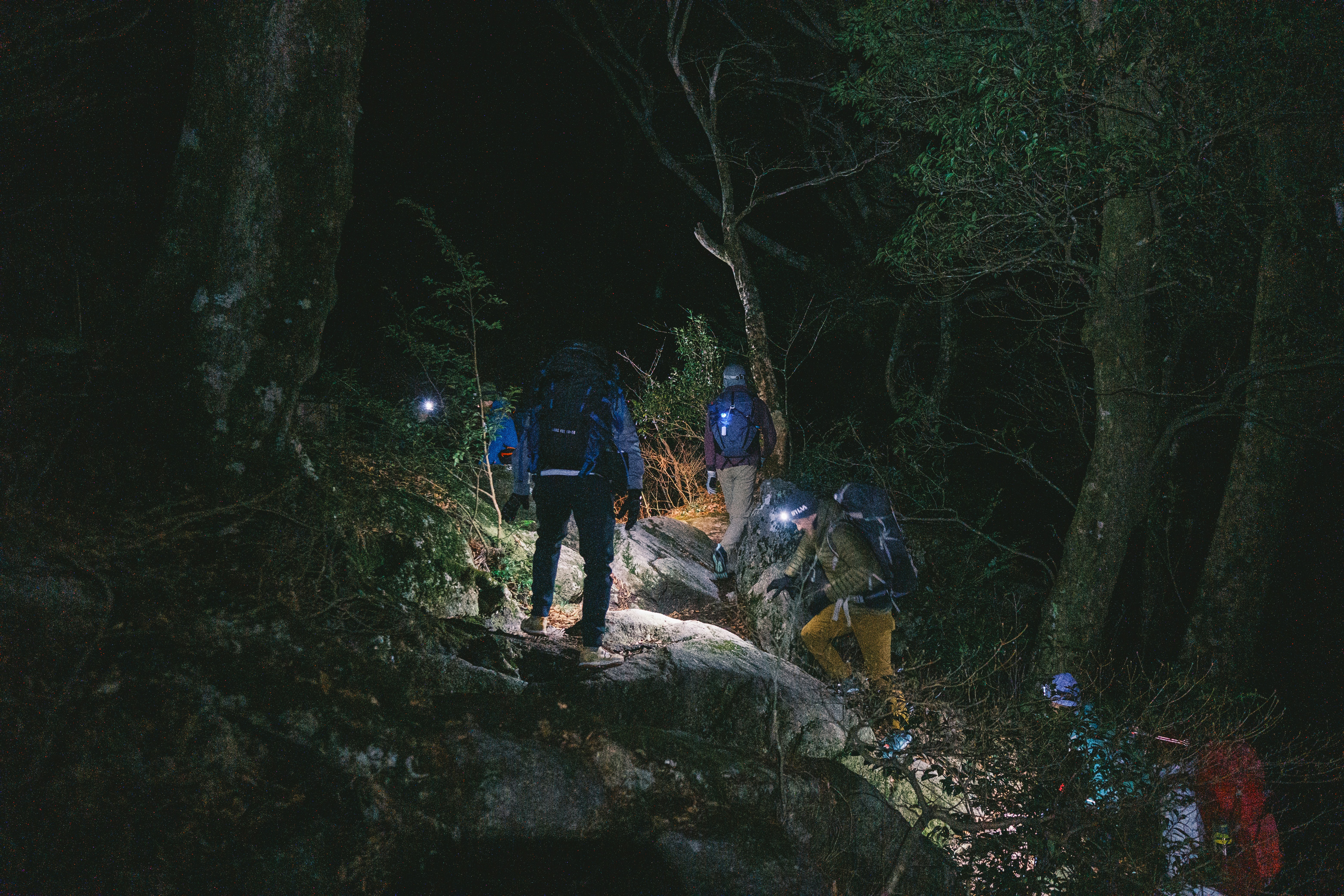
Phone flashlights are a poor substitute for a proper headlamp. They drain your battery, can’t be directed easily, and force you to hold your phone so you can’t use both hands. A headlamp frees your hands, lasts much longer, and stores easily.
I use a Black Diamond Storm 400. It’s USB-rechargeable so no special batteries needed, and has multiple brightness levels including a red light mode for reading at night without disturbing dormmates. Small enough to fit in a jacket pocket.
This is especially useful for hikers, anyone staying in hostels where the bathroom is down a dark hallway, or travelers in areas with inconsistent street lighting. I’ve used mine to find something dropped under a bus seat, read a map in a dim restaurant, and navigate a power outage in a guesthouse in the Philippines.
6. Hidden Money Stash / Travel Wallet
Never keep all your cash, cards, and passport in one place. That’s the single most common mistake I see. Lose your main wallet, lose everything. A hidden stash gives you a backup.
Slim neck pouches that sit under your shirt work well. Belt wallets that buckle onto your waistband are another option. Some travelers use stash socks designed to look like regular socks with a zippered pocket. I prefer a slim nylon neck pouch that lies flat against my chest. Invisible under a shirt or jacket and holds a backup credit card and emergency cash.
Hotel safes are better than nothing, but not infallible. Staff have access codes, locks can fail. Spread your valuables across your bag, your person, and your hidden stash. Losing one piece doesn’t ruin your trip.
This matters most if you’re carrying significant cash, multiple cards, or important documents like a visa or work permit.
7. Travel Insurance (Yes, It’s Gear)
Travel insurance is the most important piece of safety gear you’ll never hold in your hand. A broken leg, stolen laptop, or canceled flight can drain your bank account and derail your trip. Insurance covers those scenarios.
For solo travelers, the key coverage is medical evacuation. If you get seriously injured or sick somewhere without adequate medical facilities, evacuation can cost tens of thousands of dollars. Trip interruption and theft coverage matter too, but medical evac is non-negotiable.
Annual policies are usually cheaper if you travel more than once a year. Single-trip policies work for one-off journeys. World Nomads and SafetyWing are two well-known providers that offer flexible plans for solo travelers.
Practical tip: screenshot your insurance card and emergency contact numbers. Save them to your phone’s camera roll and keep a printed copy in your bag. You don’t want to be searching through email while standing in a clinic.
8. First Aid Kit (That You Actually Understand)
Most travelers buy a massive first aid kit filled with items they don’t know how to use. You don’t need a suture kit or a tourniquet. You need the basics: bandages for cuts, antiseptic wipes, pain reliever (ibuprofen and acetaminophen), anti-diarrheal medication, and maybe antihistamines for allergic reactions.
The most common medical issue for solo travelers is stomach problems. Your gut adjusts to new bacteria, and it doesn’t always adjust quietly. Pack loperamide or bismuth subsalicylate. Those two items will solve more problems than a full trauma kit.
You can buy a small pre-made kit from Adventure Medical Kits or build your own using a ziplock bag and a trip to the pharmacy. The DIY route is cheaper and lets you customize based on your destination. Hiking? Add blister treatment. Prone to motion sickness? Add Dramamine.
9. Water Bottle with Built-in Filter
Waterborne illness is a real risk in many countries. Even in major cities, tap water may not be safe. Buying plastic bottles works, but it’s expensive, wasteful, and not always convenient. A filter water bottle solves that.
Grayl and LifeStraw both make good options. Grayl’s bottle uses a press mechanism that forces water through a filter in seconds. It removes bacteria, protozoa, and viruses. LifeStraw’s bottle is simpler, you drink through the straw and it filters as you go. Grayl filters faster and works better for treating larger volumes of water.
The safety angle is obvious: avoid getting sick from bad water. But the convenience factor is real too. You can refill from any tap, stream, or well without worrying. Saves you from hunting for bottled water after a long bus ride or at 2 AM.
10. Emergency Whistle or Personal Locator Beacon (For Hikers)
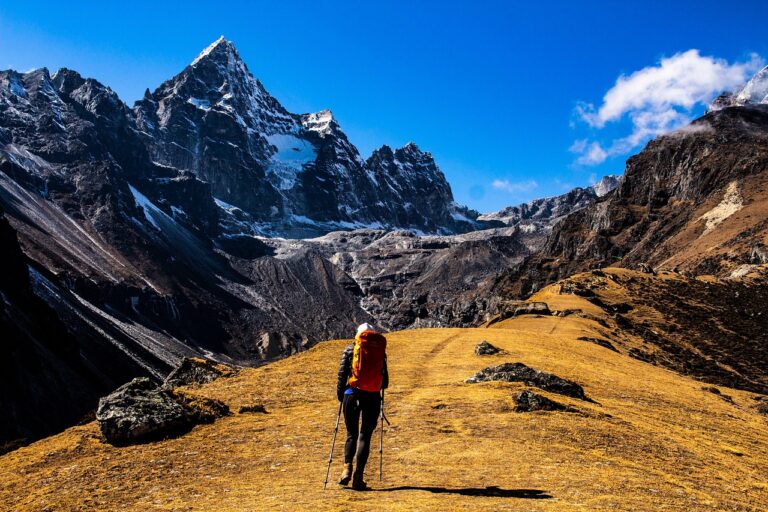
If you’re a solo hiker, you need a backup communication method. Cell service disappears quickly in remote areas. A phone is worthless if you’re stuck on a trail with a broken ankle and no signal.
A simple whistle is the cheapest option. Loud, no batteries required, easy to carry. Attach it to your backpack strap so it’s always accessible.
For longer or more remote treks, a personal locator beacon or satellite communicator is worth the money. The Garmin inReach Mini is the most popular choice. About the size of a deck of cards, provides two-way text messaging via satellite, and has an SOS button that connects to a 24/7 emergency response center. It’s expensive, around $350, plus a monthly subscription. But if you’re doing multi-day treks alone, it’s the safest investment you can make.
Don’t rely on your phone for remote hikes. Even with offline maps, you’re vulnerable if something goes wrong.

What NOT to Pack: Safety Gear That Wastes Space or Money
Now for the mistakes. Here’s what to leave at home.
Giant door wedges. They work on smooth, hard floors. On carpet, tile, or uneven surfaces, they slip. A portable door lock is more reliable.
Pepper spray and tasers. Illegal or restricted in many countries. They’ll get confiscated at customs or cause legal trouble if you ever use them.
Cheap padlocks. The kind from a dollar store can be cut with wire cutters. If you need a lock, spend a few extra bucks on a quality combination lock with hardened steel.
Self-defense keychains like kubotans or cat-styled keychain weapons. Impractical and often mistaken for weapons by authorities.
These items give false confidence and usually end up wasted or confiscated. Stick with the gear listed above.
How to Pack Your Safety Gear Without Overloading Your Bag
The key is keeping safety items accessible without cluttering your bag. Here’s a simple system:
Your door lock and personal alarm go in an outer pocket of your daypack or a jacket pocket. Items you need quick access to at your accommodation and when walking in unfamiliar areas.
Your hidden wallet stays on your person, under your clothes. Your power bank and water bottle go in your daypack main compartment. The anti-theft bag is your primary day bag, so it’s always with you.
The first aid kit, headlamp, and backup cash go in your main bag. Not needed every day but easy to find when they are.
If you’re a one-bag traveler with a 30 to 40-liter pack, all these items fit easily. I’ve carried everything on this list in a 35-liter backpack for months at a time, along with clothing and electronics. You don’t need extra luggage for safety gear.
For quick reference, here’s the full list: portable door lock, anti-theft crossbody bag, 10,000mAh power bank, personal alarm, headlamp, hidden money stash, travel insurance, first aid kit, filter water bottle, whistle or personal locator beacon for hikers.
Final Thoughts: Smart Safety Over Perfect Gear
Gear helps, but it’s not everything. Situational awareness, trusting your instincts, and making smart decisions about where you stay and how you move matter more than any gadget. The items on this list are tools that support those habits, not replacements for them.
If you’re leaving tomorrow, pick two or three items you don’t already have and start there. If you’re heading to a dense city, get the anti-theft bag and power bank. If you’re hostel hopping, the door lock and alarm. If you’re heading into the wilderness, the headlamp and beacon.
You don’t need to buy everything at once. But the right few items will make a real difference in how safe you feel and how confidently you travel.