The Best Zipline Tours in the World Worth Traveling For
Not All Ziplines Are Worth Your Time
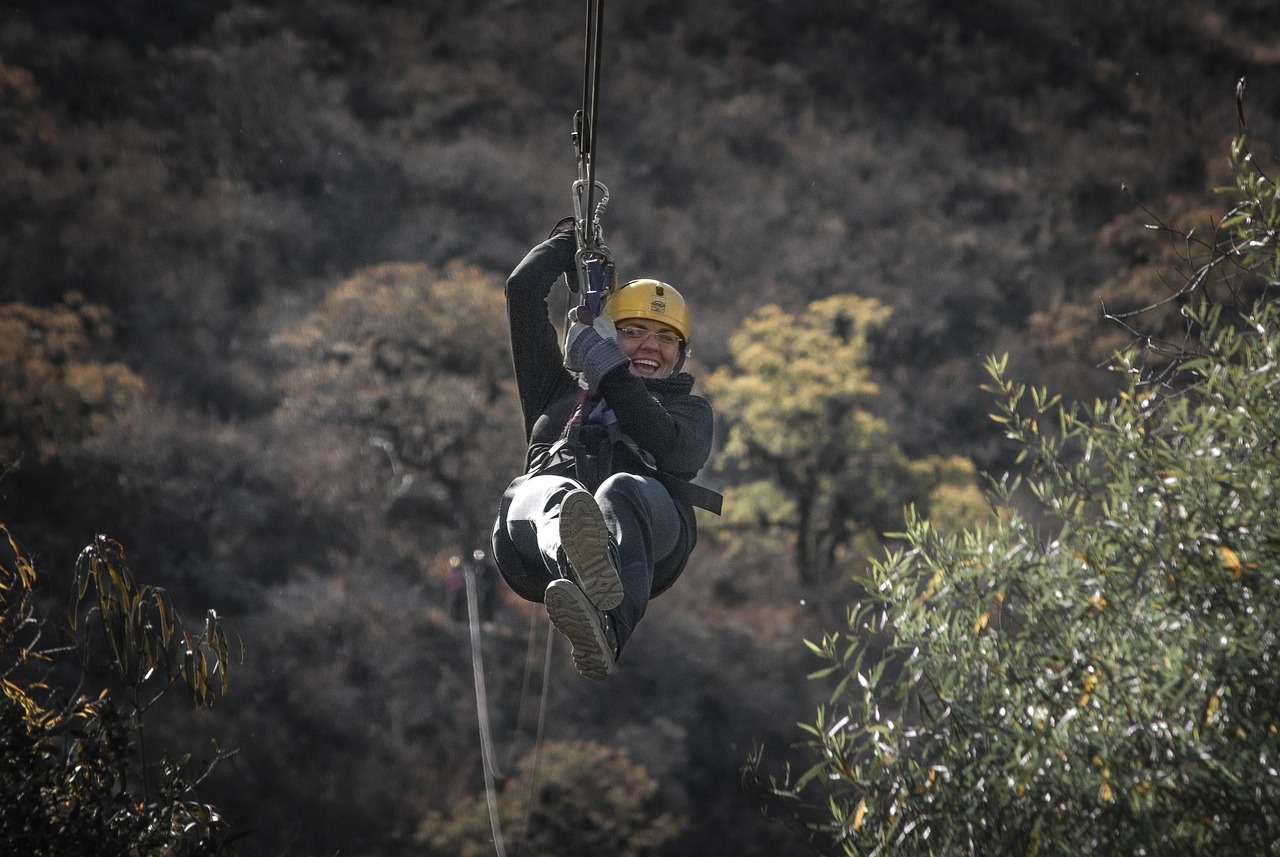
I’ve ziplined through cloud forests, over canyons, and across urban skylines. The best zipline tours in the world have very little in common with the backyard lines you see at roadside attractions. The difference comes down to engineering, location, and safety culture—not just speed. This guide is for someone who wants to plan a trip around a zipline experience, not just tack one onto a vacation itinerary. I’ll walk through a curated set of tours that deliver on scenery, thrill, and logistics. No hype. Just the practical details you need to decide where to spend your time and money.

What Makes a Zipline Tour Worth the Trip?
After riding dozens of courses across four continents, I’ve found that a great zipline tour is rarely just about length or speed. The best tours combine four things: unique geography, solid safety protocols, good guides, and a setup that doesn’t waste your day waiting in line.
Length matters, but not how you think. A two-mile line over a canyon is thrilling. A five-minute line through a pine forest gets boring fast. The best tours have a mix of short, fast lines and longer scenic runs.
Speed is a factor. Some people want to hit 100 mph. Others just want a comfortable ride with a view. Know what you’re booking.
Geography is everything. A zipline over a Hawaiian valley is different from one over a Costa Rican cloud forest. Urban ziplines are their own category. Pick the setting that matches your trip.
Safety record matters. Look for operators with visible secondary cables, recent inspection dates, and guides who do real briefings—not just a quick spiel. If a place looks rushed or understaffed, move on.
This is the framework I use. The tours below meet all four criteria at a high level.
Travelers who want to document the experience might bring a small action camera to capture the ride without risking a phone.
The Best Zipline Tours in the World: My Top Picks
Here’s a quick-reference list. I’ll go deeper on several below, but if you’re scanning, start here.
- Monteverde, Costa Rica – Cloud forest canopy. Great for beginners and intermediates. Multiple high-quality operators.
- Niagara Falls, Canada – Urban setting with views of the falls. Short but intense.
- Rotorua, New Zealand – Forest and geothermal landscape. High-speed lines and solid safety culture.
- Cape Town, South Africa – Ocean and mountain views. Good for first-timers and couples.
- Moab, Utah – Canyon and desert scenery. Long lines and big drops. Best for experienced riders.
- Queenstown, New Zealand – Some of the fastest lines in the world. Not for the faint of heart.
- La Paz, Bolivia – High-altitude canyon ziplining. Unique geography and genuine thrill.
Each of these delivers on scenery, safety, and experience quality. Now let’s talk specifics.
Costa Rica Canopy Ziplining: Monteverde vs. Arenal
Costa Rica is the zipline capital of Central America for good reason. The two main hubs are Monteverde and Arenal. They’re different experiences, and picking the wrong one for your skill level can kill the fun.
Monteverde is cloud forest. Dense, misty, and full of wildlife. The ziplines here are typically shorter but steeper. You ride through the canopy itself, often with monkeys and toucans nearby. The guides are experienced, and the safety briefings are thorough. It’s ideal for beginners and intermediates who want a genuine jungle experience.
Arenal is volcano and lake country. The ziplines here are longer and faster. You get wide views of the volcano and the surrounding valley. The terrain is more open, so the wind can be a factor. These tours are better for thrill-seekers who want speed over intimacy.
Practical tip: Book with a local operator through a site like GetYourGuide or Viator if you have a tight itinerary. If you’re driving yourself and have flexibility, book direct at the tour office. You’ll save 10-20% in many cases. Cash helps.
Best for beginners: Monteverde.
Best for speed: Arenal.
Urban Ziplining: The Cape Town Experience (South Africa)
Cape Town’s zipline at the V&A Waterfront is one of the few urban lines that actually delivers. It runs along the edge of the harbor, with Table Mountain behind you and the Atlantic in front. It’s not the fastest line in the world, but the setting makes up for it.
The course itself is relatively short—about 200 meters in total across several lines. Speeds are moderate. The guides are professional and give a solid safety briefing. It works well as a one-hour activity that fits into a broader Cape Town day.
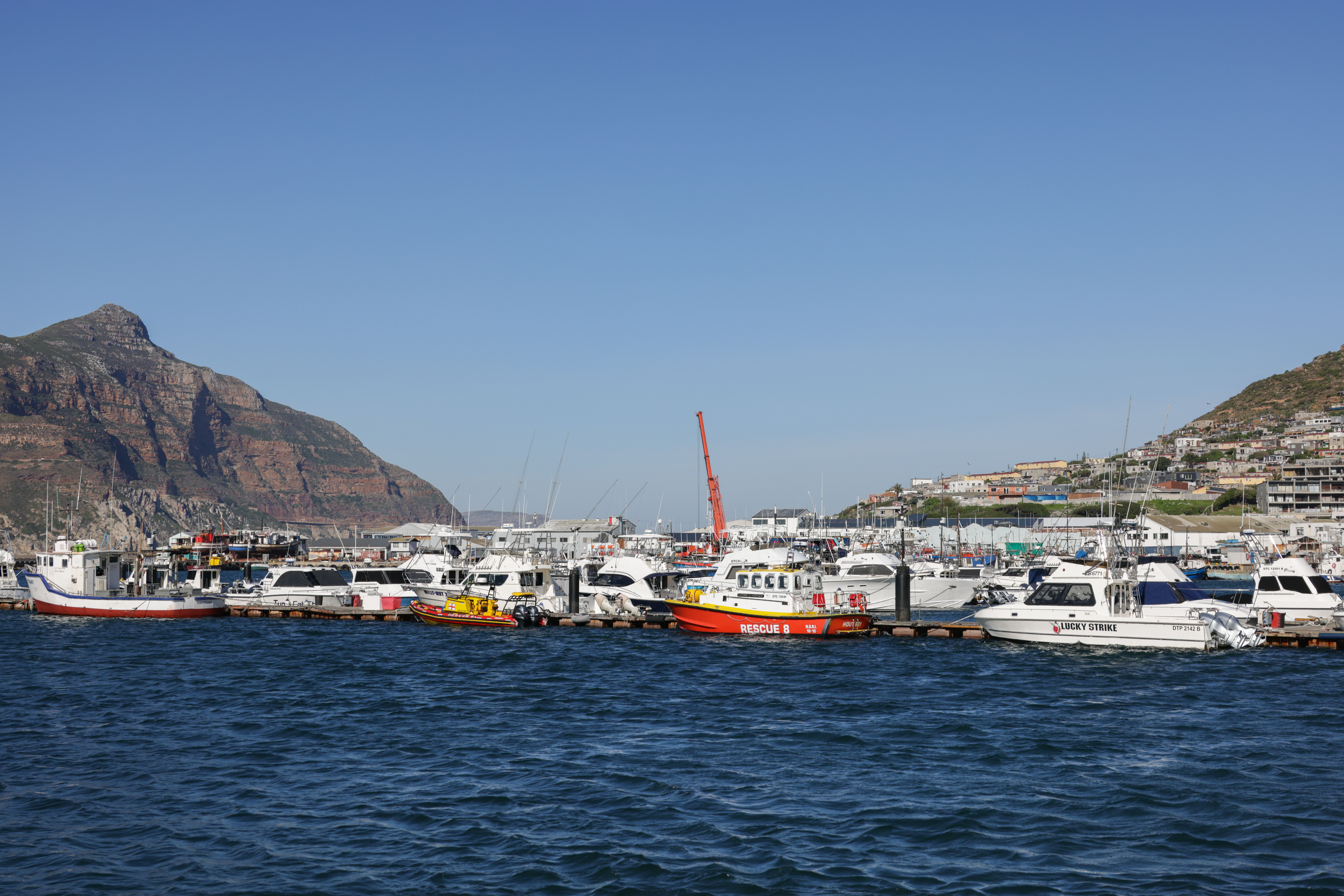
Best for: First-timers, couples, and anyone who wants a scenic experience without a full-day commitment. It’s also a good warm-up if you’re planning something more intense later in your trip.
Combo tickets: Some operators offer packages that include the zipline and other Waterfront attractions like the Ferris wheel or aquarium. Check before you book. It can save you money if you were going to do those anyway.

Extreme Speed: The World’s Fastest Ziplines
If you want speed, this is your section. These lines hit 100 mph or more. They are not for beginners, people with heart conditions, or anyone who gets dizzy easily.
I’ve tested a few of these myself. They deliver.
- Ziptrek Ecotours, Queenstown, New Zealand – The ‘Moana’ line hits about 100 mph. It’s a long, straight drop over a steep valley. The views of Lake Wakatipu are stunning. You need to weigh at least 100 lbs and be in decent shape.
- The Monster, Puerto Rico – This one claims to be one of the fastest in the world at over 100 mph. It’s a pure adrenaline line. The setup is minimal. You go fast and you stop hard. Not for the timid.
- La Paz, Bolivia – The world’s highest and one of the fastest. You ride at over 13,000 feet. The speed is intense, and the thin air adds a psychological challenge. It’s a full-day experience from the city.
Warning: These tours have strict weight limits. If you’re over 240 lbs, call ahead to confirm you can ride. Some also require a medical waiver. Don’t book these without reading the fine print.
Gear tip: If you want to record your run, bring a GoPro or similar action camera with a chest or head mount. Handheld phones are not allowed on most of these lines. I use the chest mount on zipline cables for the best footage, but check with the operator first.
Beginner-Friendly Zipline Courses That Still Impress
Not everyone wants to hit triple digits. If you’re new to ziplining or traveling with kids, these courses offer a great experience without the intensity.
- Kauai, Hawaii – The Koloa Zipline course runs through a valley with lush vegetation and mountain views. Speeds are moderate. The guides focus on education and safety. Good for ages 8 and up.
- Niagara Falls, Canada – The zipline on the Canadian side runs along the gorge. You get a front-row seat to the falls without the chaos of the crowd below. It’s short but scenic. The guides handle everything.
- Smoky Mountains, Tennessee – Several operators offer beginner-friendly courses with small groups and slow speeds. The views of the mountains are excellent. Good for families with younger kids.
What makes them beginner-friendly: Shorter lines (30-60 seconds), slower speeds (under 60 mph), thorough safety briefings, and guides who are patient with nervous riders. You won’t feel rushed or pressured.
Scariest Ziplines: When the View is a Canyon
Some ziplines are scary because of height, not speed. These are the ones over deep gorges, canyons, or open water. The psychological challenge is real.
- La Paz, Bolivia – The altitude alone is intimidating. You ride over a canyon that drops thousands of feet. The wind howls. Your brain tells you this is wrong. It’s one of the few ziplines that genuinely tests your nerve.
- Grand Canyon, US – Several operators offer ziplines along the South Rim. You don’t go over the canyon itself (that’s blocked for safety), but you get close enough that the view feels infinite. The height is real.
- Ionian Islands, Greece – There’s a zipline in Corfu that runs over a cliff into the sea. The drop is steep. The landing is on a beach. It’s short but intense.
What it feels like: The first few seconds are pure panic. Then your body adapts. By the end, you’re looking around and taking in the view. If you’re a landscape photographer, bring a camera with a strap. The shots from these lines are worth the fear.
How to Book: Direct vs. Third-Party
This isn’t complicated, but it matters more than most people think. Here’s the breakdown.
Direct booking – You call or email the operator. Pros: Better cancellation terms sometimes, local knowledge, and occasionally a better price if you negotiate. Cons: Language barriers, less legal protection if something goes wrong, and harder to get a refund.
Third-party (Viator, GetYourGuide) – Pros: Easy cancellations, mobile-friendly booking, reviews from recent travelers, and consumer protection. Cons: Slightly higher prices (they take a cut), and you lose the direct relationship with the guide.
My rule of thumb: For tight itineraries where missing a slot means missing the tour, book third-party. The flexibility is worth the markup. For local trips where you have time to research, book direct and ask about discounts for cash or early arrival.

Check the cancellation policy before you pay. Some operators are strict. Others refund full price if you cancel 48 hours out. Don’t assume flexibility.
Essential Gear to Bring on a Zipline Tour
I learned this the hard way. Show up underprepared and you’ll spend the day distracted or uncomfortable. Here’s what I always bring now.
- Secure phone lanyard – A simple neck strap or wrist tether. Handheld phones are a drop risk. I use a phone lanyard. It’s cheap and works.
- Small backpack – Most operators provide a secure bag or lockers, but a small pack keeps your stuff organized. Leave the big camera bag at the hotel.
- Closed-toe shoes – Sneakers or hiking shoes. No sandals, no flip-flops. The landing zone can be uneven.
- Sunscreen – You’ll be exposed to the sun for 1-3 hours. Reapply before your first run.
- Water – Stay hydrated. Most tours provide water, but bring your own if you’re picky.
What to leave behind: Loose jewelry, large bags, expensive watches, and anything that could snag on cables or trees. Leave the drone at home. Most operators ban them for obvious safety reasons.

Common Zipline Mistakes to Avoid (And What to Do Instead)
I’ve seen these mistakes at nearly every course I’ve visited. They’re easy to avoid once you know.
- Not checking weight and age limits before booking. Many operators won’t refund you if you show up and can’t ride. Call ahead or check the website. Most require a minimum of 50-90 lbs and a maximum of 240-300 lbs.
- Wearing loose clothing. Baggy shirts, long necklaces, or untied shoes can snag on cables or equipment. Wear fitted activewear or tuck in your shirt.
- Bringing loose items. Phones, wallets, or sunglasses without a strap are a drop risk. Use a zippered pocket or leave them in a locker.
- Not listening to the safety briefing. The guide is telling you how to brake, how to sit, and what to do in an emergency. Tune out at your own risk. I’ve seen people get minor injuries from braking wrong.
- Underestimating the physical impact. Ziplining requires core strength for positioning, arm strength for pulling yourself if you stop short, and leg strength for the landing. If you’re out of shape, start with a beginner course.
Avoid these and your day will go smoothly.
Zipline Safety: What to Look for in a Tour Operator
Not all operators are equal. Here’s how to spot a good one.
Red flags:
- Visible wear on cables or harnesses (fraying, rust, cracked plastic).
- No secondary safety cable. A solid course has a backup brake system.
- Guides who rush through the briefing or skip the safety demo entirely.
- No visible inspection dates or certifications posted.
Green flags:
- Staff who are patient and answer questions without rushing.
- A clear safety demo before the first run.
- Clean equipment that’s stored properly.
- Written safety policies you can review.
- Certifications like ACCT (Association for Challenge Course Technology) in North America or equivalent EU standards.
If something feels off, walk away. There’s always another operator.
Frequently Asked Questions About Zipline Tours
Is ziplining safe?
Yes, when done with a reputable operator. The injury rate is low. Most accidents come from user error (braking wrong, loose items) or poor equipment maintenance.
Can I bring a phone or camera?
Only if it has a secure strap or mount. Handheld phones are a risk. Some operators ban them entirely.
What should I wear?
Closed-toe shoes, fitted athletic clothing, and secure layers. Avoid jewelry, loose accessories, and anything that can snag.
How much do tours cost?
Typical prices range from $50 to $150 for a 1-3 hour tour. High-end destinations like Queenstown can cost $200+. Book early for the best rates.
What if I’m afraid of heights?
Start with a beginner course or a shorter line. Many operators are accommodating. You can also ask to go first so you don’t build up anxiety waiting.
Can I do this if I’m pregnant?
Most operators prohibit ziplining during pregnancy. The concern isn’t the fall but the sudden stopping forces. Check with your doctor and the operator.
Book Your Zipline Adventure
If you’re planning a trip around a zipline experience, start with the destination that fits your comfort level. For a balanced mix of scenery, thrill, and reliability, the cloud forest tours in Monteverde, Costa Rica, are a solid first pick. They’re easy to book, well-reviewed, and suitable for a wide range of riders.
Check availability and prices on GetYourGuide or Viator. Book early—popular slots sell out weeks in advance. Read the cancellation policy carefully. And pack accordingly. You’re in for a good ride.
Shop Music Production Gear
Shop Music Production Gear