Peru Adventure Travel: From Machu Picchu to the Amazon Rainforest
Peru Adventure Travel Guide: Combining Machu Picchu and the Amazon
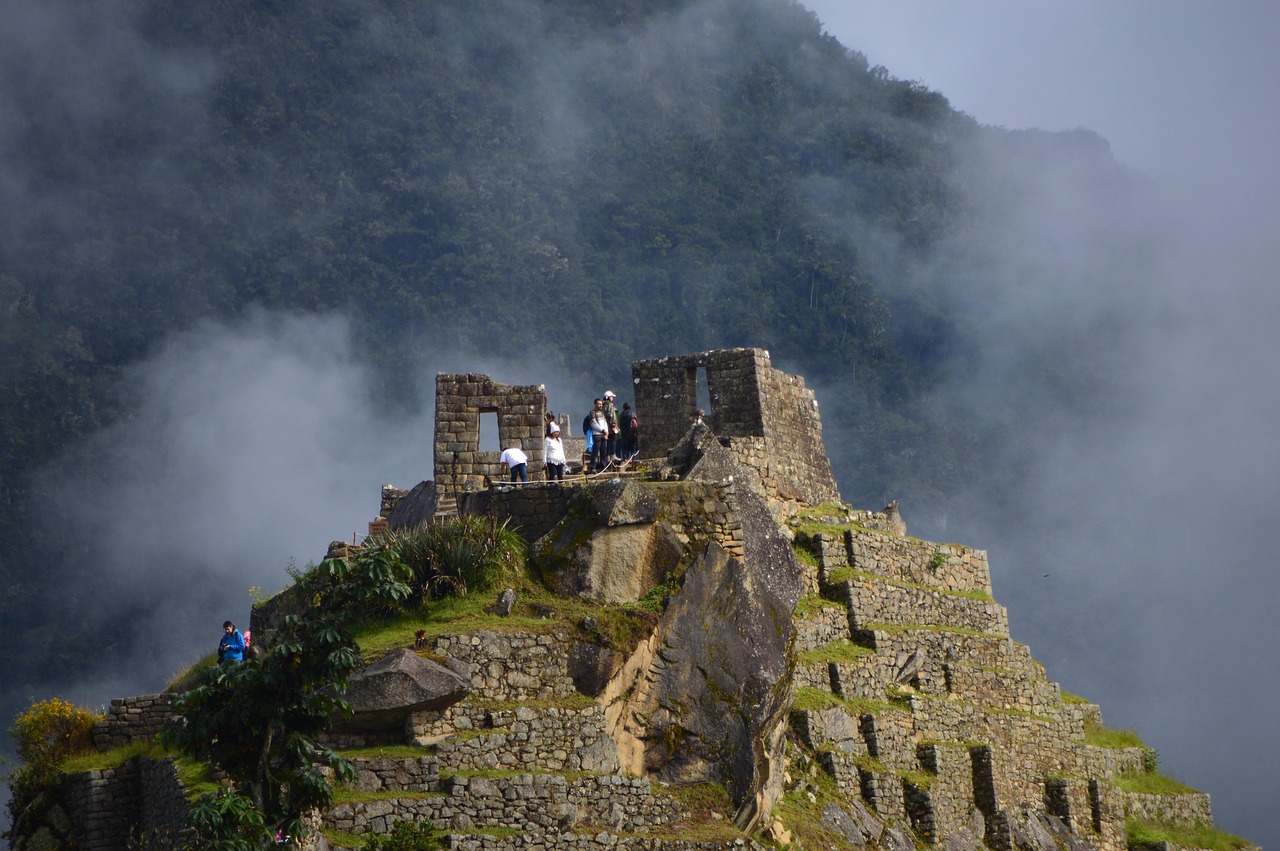
Planning a Peru adventure travel trip that covers both Machu Picchu and the Amazon? It’s one of the more logistically demanding itineraries in South America, but the payoff is huge. This guide covers route planning, booking permits, choosing an Amazon gateway, packing for two opposite climates, and avoiding the mistakes that derail trips. No fluff—just practical advice from someone who has done this route a few times.

Is This Trip Right for You?
Combining Machu Picchu and the Amazon isn’t a relaxed vacation. You need decent physical fitness, at least 10 days of travel time, and a budget that covers internal flights, permits, and guided tours. If severe altitude sickness is an issue and you can’t spend a few days acclimatizing in Cusco, this trip will be rough. If you’re claustrophobic or nervous about small planes, the flight to Puerto Maldonado or Iquitos might be uncomfortable. Limited mobility? Skip the Inca Trail and opt for the train to Machu Picchu, plus a lodge with easy access. This combo is for travelers who want variety and are willing to plan ahead. If you only have a week, stick to one region.
Best Time to Visit for Both Regions
Timing matters because the two regions have opposite weather patterns. The Peruvian Amazon has a dry season from May to October and a wet season from November to April. Machu Picchu and Cusco see their dry season from April to October, with rain from November to March. The overlap for both regions is May through October, which is also the busiest and most expensive period.
Travel during the shoulder months of April or November and you’ll get lower crowds and prices, but you risk more rain in the Amazon and slightly wetter conditions at Machu Picchu.
Quick reference:
- Dry season (May – October): Best for trekking and wildlife spotting in the Amazon; clear skies at Machu Picchu. High season—book well in advance.
- Wet season (November – April): More rain in both regions, but the Amazon is lush and boat access improves. Machu Picchu can get foggy. Lower prices and fewer tourists.
For a combined trip, aim for May, June, September, or October. You get decent conditions in both places without peak holiday crowds.
How Many Days Do You Need?
The biggest mistake people make is trying to cram too much into too few days. Travel between destinations can eat up a full day each way.
- 10 days: Tight but doable. Spend 3 days in Cusco acclimatizing, 1 day at Machu Picchu, 2 days in the Amazon, plus travel days. You’ll feel rushed.
- 14 days: Comfortable. Add an extra day in Cusco for the Sacred Valley, do a multi-day trek like the Salkantay, and spend 3–4 days in the Amazon.
- 21 days: Ideal. Explore deeper, add a side trip to Lake Titicaca or Arequipa, and have buffer days for weather or altitude adjustments.
If you only have 10 days, skip the Amazon and focus on Machu Picchu and Cusco. Rushing between regions leaves you exhausted and disappointed.
Machu Picchu Entry: Permits and Train Tickets
You can’t show up at Machu Picchu without a permit. The Peruvian government limits daily visitors, and during high season, tickets sell out weeks in advance. Book at least 2–3 months ahead if you’re traveling in the dry season.
There are two main entry circuits:
- Circuit 1: The classic route with the iconic photo spot. It’s a one-way path that takes about 2–3 hours. Best for first-timers.
- Circuit 2: A longer route through the lower part of the site. Fewer crowds, but less iconic views. Good for repeat visitors.
Train tickets are separate. The two main operators are PeruRail and Inca Rail. The train from Cusco to Aguas Calientes (the town at the base) takes about 3.5 hours. Book train tickets as soon as you have your permit. A common mistake: buying a permit for a morning entry but booking an afternoon train departure—you’ll miss your slot.
Buy directly from the official government website or a reputable tour operator. Avoid third-party resellers who charge inflated prices for the same permits.
Amazon Gateway: Puerto Maldonado vs. Iquitos
Peru has two main gateways to the Amazon: Puerto Maldonado and Iquitos. They offer different experiences and logistics.
- Puerto Maldonado: A 45-minute flight from Cusco. Then a 30-minute boat ride to most lodges. This is the easiest option if you’re coming from Machu Picchu. The Tambopata National Reserve offers excellent wildlife, including macaws at clay licks. Lodges are well-developed and accessible.
- Iquitos: A 2-hour flight from Lima. Larger and more remote. The Amazon feels wilder here, but travel to lodges can take several hours by boat. Iquitos is better for deep jungle experiences and river exploration. Less convenient for a combined Machu Picchu trip because you need to fly back to Lima first.
Short on time? Choose Puerto Maldonado. If you want a more immersive Amazon experience and have at least 4 days to spare, Iquitos is worth the extra travel.
Choosing a Jungle Lodge
Not all jungle lodges are the same. Here’s what to consider when booking:
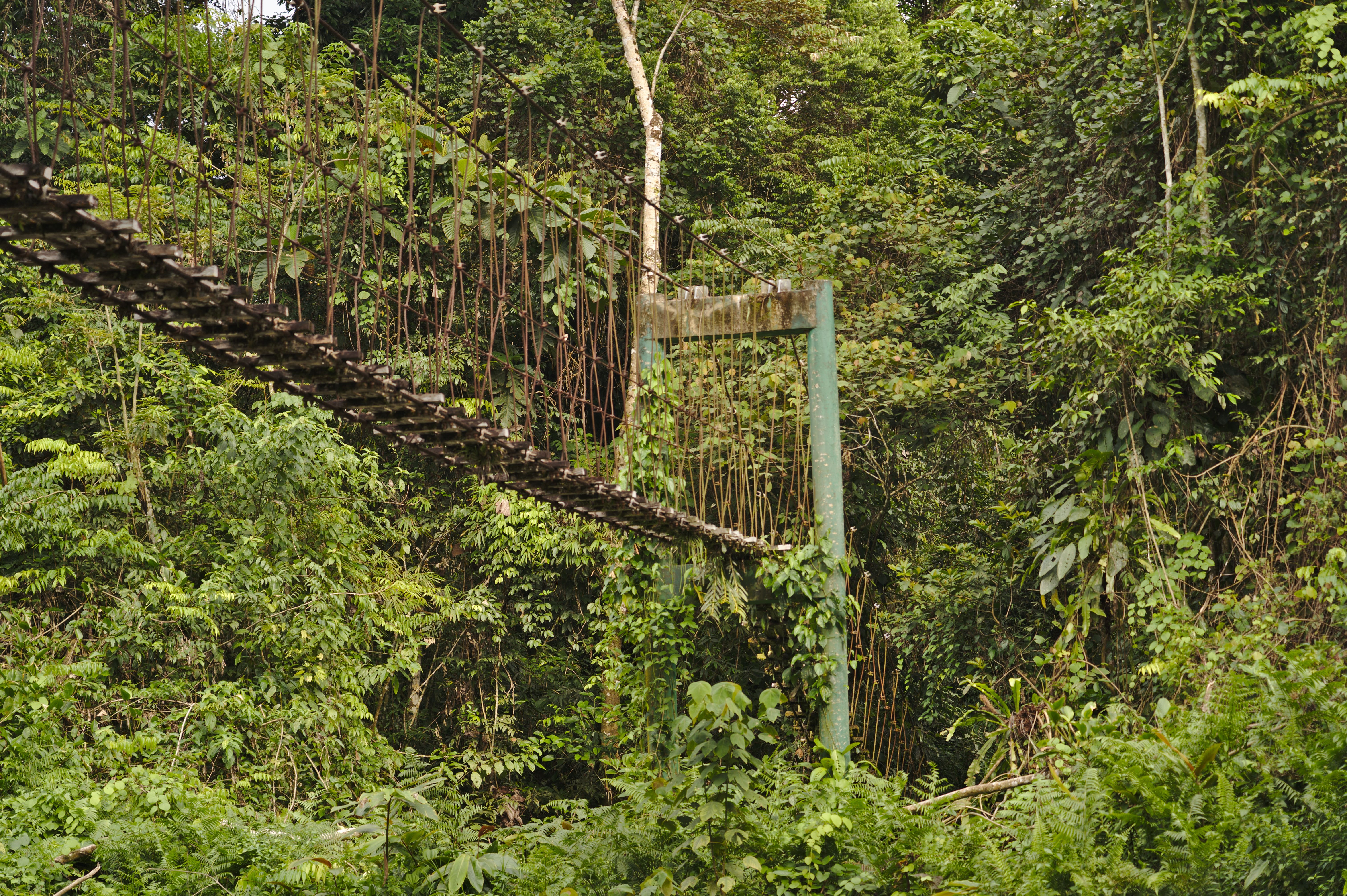
- Included activities: Most lodges offer dawn walks, night excursions, boat trips, and canopy walks. Check if these are included or extra.
- Guide quality: A good guide makes or breaks your Amazon experience. Look for lodges with naturalist guides who speak English. Read recent reviews mentioning guide quality.
- Comfort level: Budget lodges have basic rooms with mosquito nets and shared bathrooms. Mid-range lodges offer private rooms with fans and screened windows. Luxury lodges have air conditioning and private balconies. Choose based on your tolerance for heat and bugs.
- Location: Lodges closer to Puerto Maldonado are more convenient but see fewer animals. Lodges deeper in the reserve take longer to reach but offer better wildlife sightings.
- Price: All-inclusive packages cost between $100 and $500 per person per night. They cover accommodation, meals, guides, and activities. This simplifies logistics and is often cheaper than booking separately.
For most travelers, a mid-range all-inclusive lodge near Puerto Maldonado offers the best balance of cost and experience.

Packing for Two Climates
You need to pack for cold and dry highlands, and hot and humid jungle. Smart packing matters here.
- Hiking boots: Waterproof, broken-in boots for the Inca Trail or Salkantay. Don’t bring new boots.
- Rain boots: Many Amazon lodges provide rubber boots, but check. If not, bring lightweight rain boots or waterproof sandals for muddy trails.
- Quick-dry clothing: Synthetic or merino wool for both climates. Avoid cotton in the Amazon—it stays wet and causes chafing.
- Rain jacket: Essential for Machu Picchu and the Amazon. A lightweight, packable shell works best.
- Insect repellent: DEET-based for the Amazon. Picaridin works too but reapply often. A permethrin-treated shirt and pants are worth the investment. Travelers dealing with insects often look for reliable insect repellent options specifically for tropical conditions.
- Sunscreen: High SPF, water-resistant. The sun at altitude is intense, and the jungle is humid.
- Water bottle with filter: Many lodges have purified water, but a filter bottle is safer for day hikes. Consider a Steripen or a gravity filter. For longer trips, a durable water bottle with filter helps keep you hydrated without relying on single-use plastics.
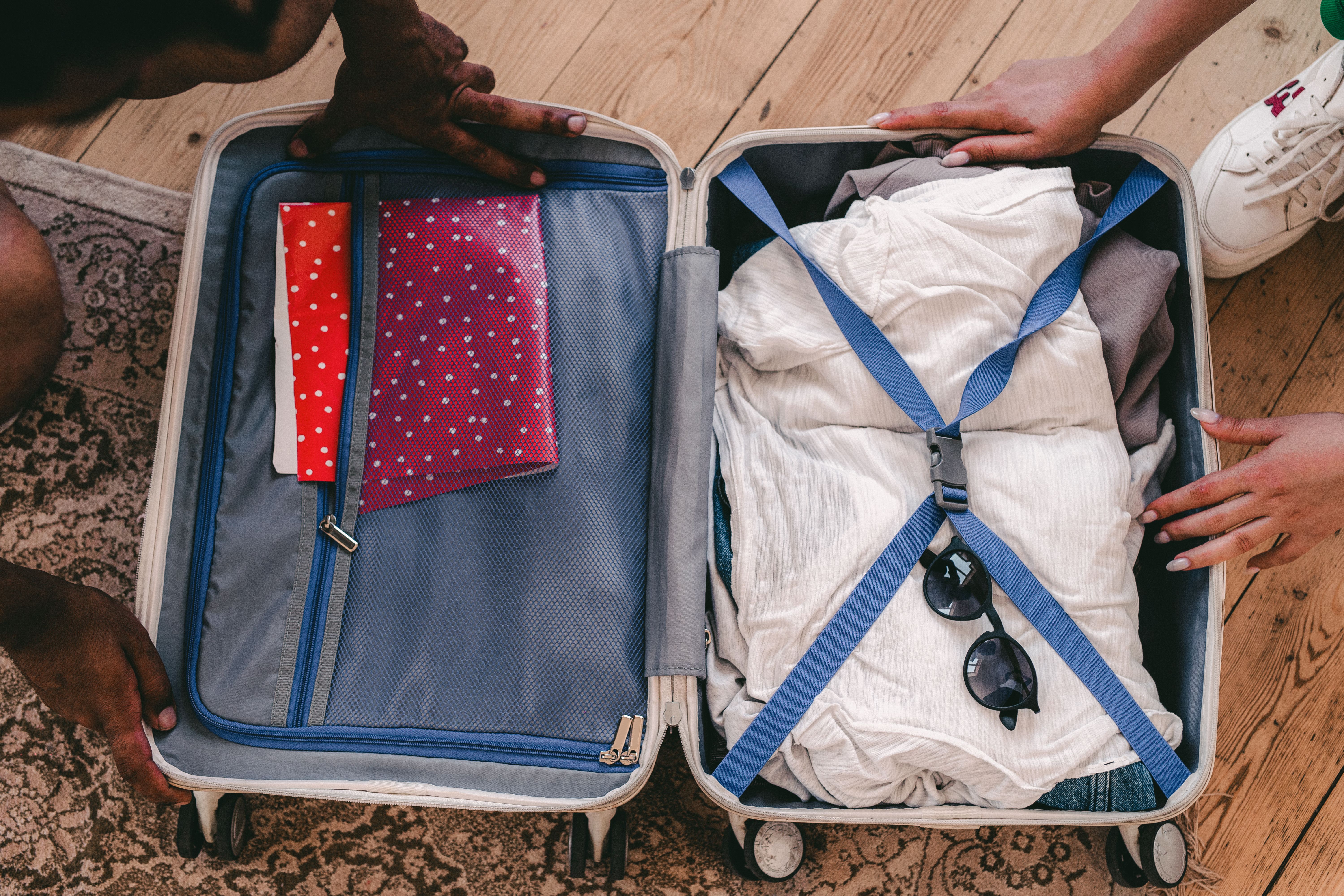
Pack light. You’ll carry your own bag between flights and boat rides. A 40–50 liter backpack is enough if you’re not doing a multi-day trek. For trekking, bring a smaller daypack.
Altitude in Cusco: Preparation and Common Mistakes
Cusco sits at 3,400 meters (11,150 feet). Altitude sickness is real and can ruin the first few days of your trip. Don’t fly into Cusco and immediately hike Machu Picchu. Spend at least 2 days in Cusco or the Sacred Valley to acclimatize.
Practical tips:
- Hydrate: Drink twice as much water as you normally would. Avoid alcohol and heavy meals for the first day.
- Coca tea: Locals swear by it. It helps with mild symptoms. You’ll find it in most hotels and restaurants.
- Acetazolamide (Diamox): A prescription drug that helps prevent altitude sickness. Talk to your doctor before your trip. Start taking it a day before arrival.
- Don’t overdo it: Walk slowly. If you feel dizzy or nauseous, rest. If symptoms worsen, descend immediately.
A common mistake is booking a flight from Lima to Cusco and then a trek the next day. This is dangerous and often leads to severe headaches and vomiting. Respect the altitude.
Getting to Machu Picchu: Inca Trail vs. Salkantay vs. Train
There are three main ways to reach Machu Picchu, each with different demands.
- Inca Trail: The classic 4-day trek through Inca ruins and cloud forest. Requires booking months in advance. Limited to 500 permits per day, including guides and porters. Best for history buffs and hikers who want a cultural experience.
- Salkantay Trek: A 5-day hike that goes over a high pass at 4,650 meters (15,255 feet). Less crowded, more strenuous, and can be booked closer to the date. Best for adventurous hikers who want stunning mountain views.
- Train: The easiest and most expensive option. Take a train from Cusco or Ollantaytambo to Aguas Calientes and then a bus to the site. Best for those with limited time, mobility issues, or who want comfort.
For the Inca Trail, you must go with a licensed tour operator. For Salkantay, you can do it independently but it’s easier with a guided group. The train is the only option if you’re short on time.
A Typical Day in the Amazon
Expect early starts and unpredictable weather. A typical day in an Amazon lodge includes:
- 5:30 AM: Dawn walk to spot birds and monkeys before the heat sets in.
- 8:00 AM: Breakfast at the lodge.
- 9:30 AM: Boat trip or guided hike to explore a different area. You’ll learn about plants, insects, and animals.
- 12:00 PM: Lunch followed by a siesta during the hottest part of the day.
- 3:00 PM: Afternoon activity, such as kayaking or visiting a clay lick.
- 6:00 PM: Dinner.
- 7:30 PM: Night walk to spot nocturnal animals like tarantulas, frogs, and caimans.
The weather can change quickly. One moment it’s sunny, the next it’s pouring. Bring a rain cover for your backpack and quick-dry clothes.
Budget Breakdown
Here are rough costs for a combined trip. Prices vary by season and operator.
- Flights: Lima to Cusco round trip: $100–$200. Cusco to Puerto Maldonado one-way: $60–$100. Book early for better rates.
- Machu Picchu permit: $45–$60 per person. Train tickets: $60–$150 round trip depending on class and operator.
- Amazon lodge (all-inclusive): $100–$500 per night per person. A 3-night stay is typical.
- Accommodation in Cusco: Budget hostels $15–$30 per night. Mid-range hotels $50–$100 per night. Luxury hotels $150+ per night.
- Food: Budget meals $5–$10 per meal. Mid-range $15–$25 per meal. In the Amazon, meals are included in the lodge package.
- Hidden costs: Entrance fees for archaeological sites, tips for guides and porters (10–15% of tour cost), and travel insurance (mandatory for treks).
For a 14-day trip, budget $2,000–$4,000 per person for mid-range travel, excluding international flights.
Common Mistakes and How to Avoid Them
- Overpacking: You’ll carry your luggage between planes, boats, and taxis. Pack light and leave space for souvenirs.
- Skipping altitude acclimatization: Don’t fly into Cusco and start a trek the next day. Spend at least 2 days adjusting.
- Booking too tightly: Don’t schedule a flight from Cusco to the Amazon the same day you return from Machu Picchu. Delays happen.
- Not bringing cash: Many small towns and lodges don’t accept credit cards. Carry soles (Peruvian currency) for tips, market purchases, and transport.
- Underestimating travel times: A 200 km drive in Peru can take 5 hours due to winding mountain roads. Plan accordingly.
- Ignoring travel insurance: If you get altitude sickness or a snake bite, medical evacuation can cost thousands. Get comprehensive insurance that covers trekking and remote areas.

Final Planning Checklist
Before you go, run through this checklist:
- Book Machu Picchu permits and train tickets at least 2 months in advance.
- Arrange internal flights (Lima to Cusco, Cusco to Puerto Maldonado).
- Choose and book an Amazon lodge that fits your itinerary and budget.
- Pack for two climates: high-altitude cold and jungle humidity. Use the packing list above.
- Get travel insurance that covers altitude and remote jungle activities.
- Confirm all bookings before departure. Double-check dates and times.
- Download offline maps and translation apps. Cell service is spotty in both regions.
This is a trip that rewards careful planning. Do it right, and you’ll experience two of the most incredible environments on earth. Start booking now to secure your permits and lodges. If you want a smoother experience, consider booking through a reputable tour operator that handles logistics. Either way, get moving on the permits—they sell out fast.
Colombia Adventure Travel: Cities, Coast, and Jungle
Inca Trail to Machu Picchu: The Complete Hiking Guide
Best Snorkeling Adventure Trips: Top Destinations
Solo Travel in South America: The Complete Backpacking Guide