Best Ice Climbing Destinations for Beginners: Where to Start Your Frozen Adventure
Introduction
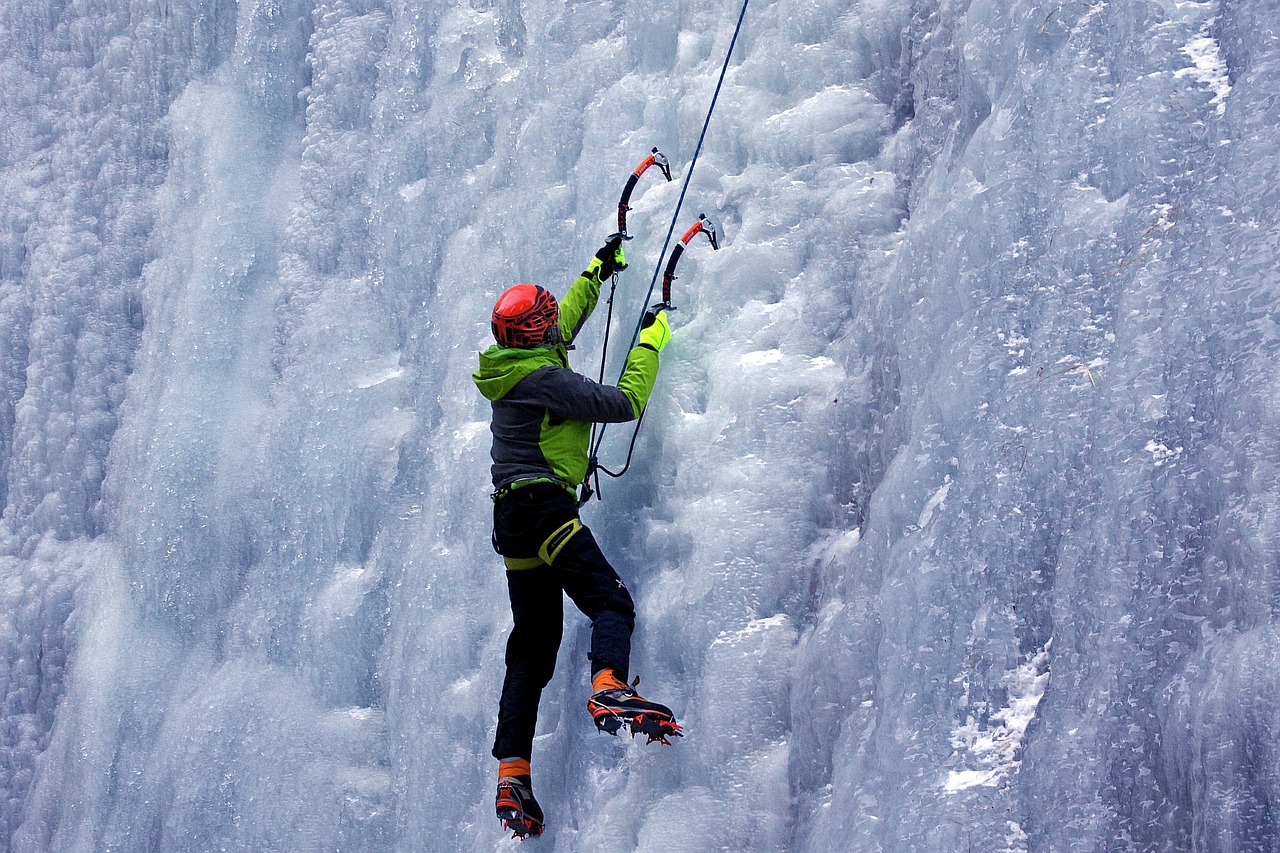
 Mountain sports, cold, ice wall,” width=”1200″ height=”800″ loading=”lazy” />
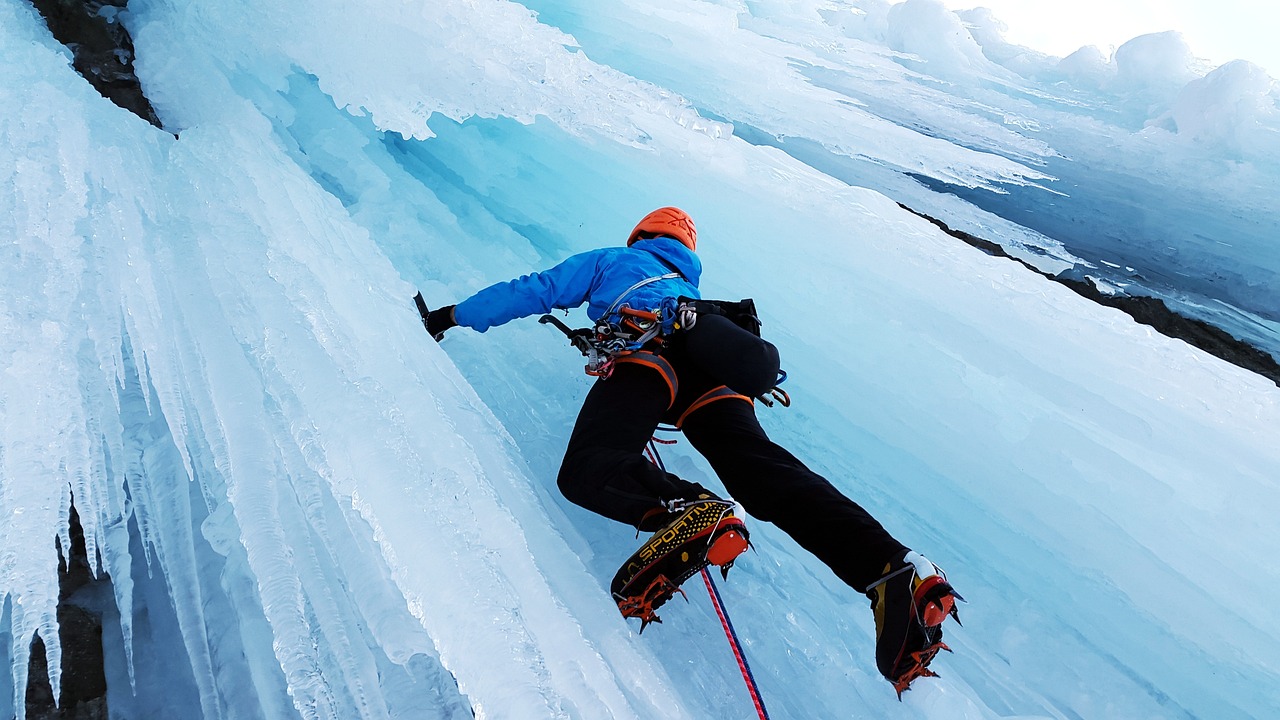
Ice climbing can seem intimidating, but it’s actually one of the most accessible winter sports if you start in the right place. The best ice climbing spots for beginners combine solid ice, accessible routes, professional guide services, and forgiving terrain. A bad spot leaves you scared, cold, and frustrated. Pick a good one and you’ll be hooked for life. This guide focuses on destinations that reliably work for first-timers. We’re skipping the experts-only venues and concentrating on places where beginners can progress safely and actually enjoy the day.

Why Choosing the Right Ice Climbing Destination Matters for Beginners
Ice climbing is physically demanding and technically specific. The wrong destination can turn a promising first trip into a dangerous or discouraging one. The best ice climbing spots for beginners offer easy access, consistent ice formation, and a strong culture of guided instruction. You don’t want to start on a remote alpine icefall where you hike three hours with gear before even seeing a route.
Key factors to look for include route difficulty grading, proximity to lodging and gear rental, availability of professional guides, and typical weather windows. Many beginners choose famous but hard destinations, like the Canadian Rockies. Those are incredible objectives, but they’re not beginner terrain. A successful first trip depends on controlled progression, not proving anything. Altitude matters too. Some popular areas sit above 10,000 feet. If you live at sea level, dedicate your first day to acclimatization, not climbing. Travelers who need help managing altitude might consider a portable sleeping aid to improve rest. Ignoring altitude is a common mistake that can ruin a trip.
Top 5 Best Ice Climbing Spots for Beginners in North America
These five destinations have proven track records for beginner success. Each offers professional instruction, reliable winter conditions, and infrastructure that makes planning simple.
1. Ouray Ice Park, Colorado
This is the gold standard for beginner ice climbing anywhere in the world. The Ouray Ice Park is a human-made park built into a natural gorge. It contains over 200 named climbs, from easy WI2 to hard WI6. Beginner routes are plentiful, with flat ground beneath them. You can access over 150 routes without any hiking. The park is free to climb (though a donation or parking pass helps), and guided lessons are available through multiple outfitters in town. The best season runs from mid-December through early March. Nearby lodging ranges from budget motels to nicer hotels in Ouray or nearby Ridgway. Gear rental is available at several shops. Expect to pay around $200-300 for a full-day guided lesson that includes gear. For a beginner, this is the single best place in North America.
2. Cody, Wyoming
The South Fork of the Shoshone River near Cody offers consistent ice climbs on basalt cliffs. The Cody Ice Festival in January draws climbers from all over, but the area stays active all winter. Beginner-friendly routes exist on the lower tier of climbs near the parking area. Several guide services offer half-day and full-day introductory lessons. The climbs are a short walk from the road, making gear hauling easy. Lodging in Cody is affordable, about a 20-minute drive away. The ice season runs from December through March. This is a quieter alternative to Ouray with excellent beginner options.
3. Valdez, Alaska
Valdez is famous for its waterfall ice and deep powder snow, but it’s also surprisingly approachable for beginners. The Keystone Canyon area has roadside ice climbs that are low-angle and well-protected. The best beginner routes sit near the parking area at the west end of the canyon. Guide services like Alaska Ice Climbing offer half-day introductory trips that don’t require prior experience. The season runs from December through March, with consistent cold temperatures. Lodging is available in Valdez, and gear can be rented locally. This is a more adventurous option for beginners who want a true Alaskan experience without technical overreach.
4. White Mountains, New Hampshire
The Northeast has a strong ice climbing culture, and the White Mountains offer several beginner-friendly venues. Popular spots include Cathedral Ledge and Frankenstein Cliff. Both have established routes with easy access from the road. The Mount Washington Valley is full of guide services, gear shops, and lodging. The season runs from December through March, though conditions can be more variable than in Colorado. Beginner routes like the standard line on Frankenstein Cliff are great for learning. Expect variable weather and potential wind chill. A guided day runs around $250. This is a solid option for East Coast climbers.
5. Lake Placid, New York
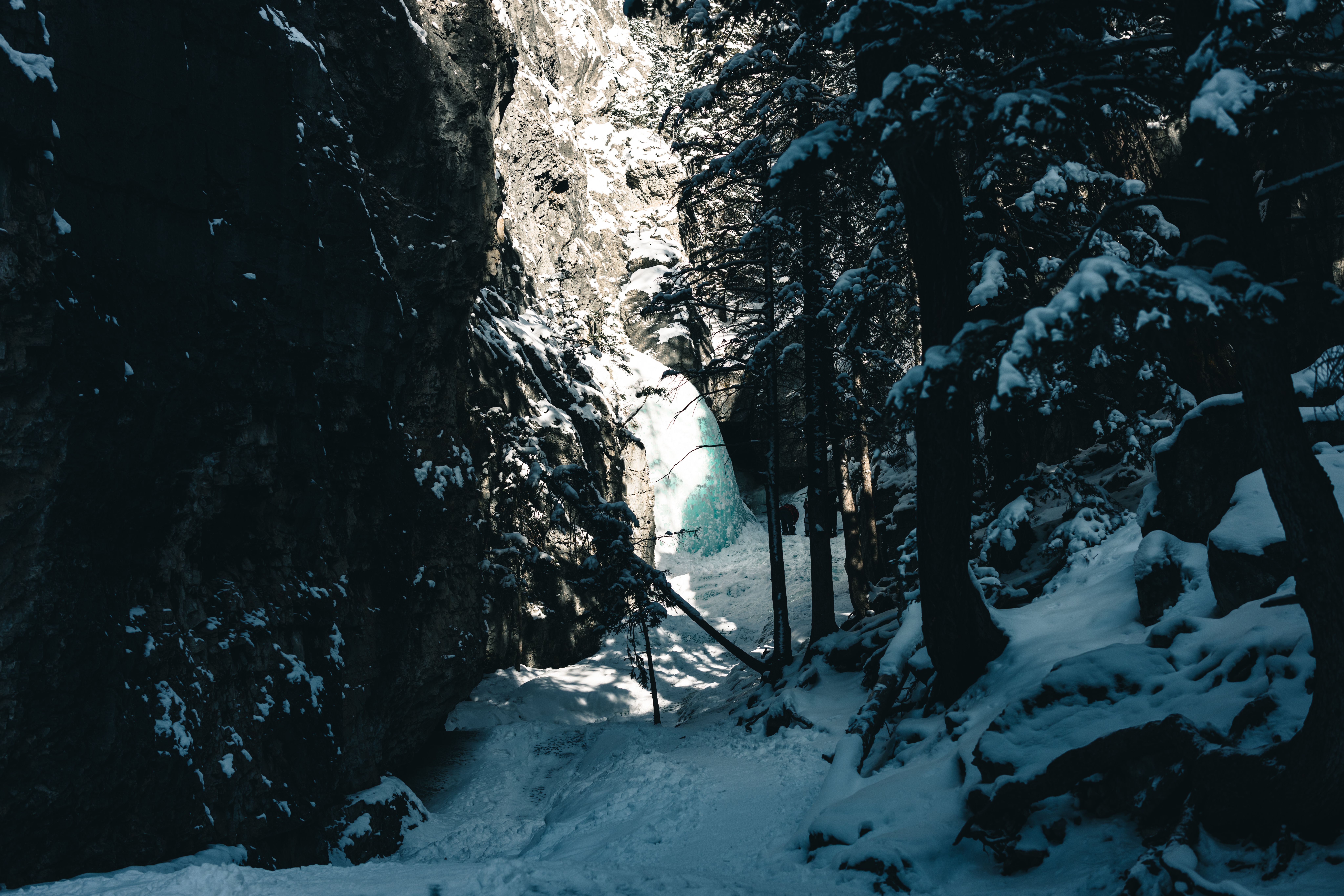
The Adirondacks provide accessible ice climbing for beginners. Cascade Pass and the Wilmington Notch have multiple easy routes frequently used for instruction. Several guide services operate out of Lake Placid. The climbing is close to town, so lodging and food are easy to find. The season runs from December through March. Ice can be thin some years, so checking conditions beforehand is a good idea. This is a strong weekend trip option from Northeast metro areas.

European Beginner Ice Climbing Destinations Worth the Trip
For US travelers, Europe offers a different style of ice climbing. The culture leans toward guided groups and alpine-style climbing, but plenty of excellent beginner destinations exist.
1. Rjukan, Norway
Rjukan is arguably the best beginner ice climbing destination in Europe. The valley has reliable, fat ice flows and short approaches. The town has a strong climbing culture and multiple guide services. Beginner routes are abundant, and ice quality is usually excellent. The season runs from January through March. Flights to Norway cost more, but the experience is world-class. Guided days are available for around $300.
2. Champagny-en-Vanoise, France
This French alpine village offers a unique ice climbing experience. The valley has a dedicated ice climbing park with bolted anchors and easy-to-moderate routes. Guide services operate out of the village. The town is a ski resort, so lodging and dining are plentiful. The season runs from December through March. This is a good option for combining ice climbing with a winter vacation.
3. Cogne, Italy
Cogne, in the Aosta Valley, is another excellent European beginner spot. The valley has a high concentration of easy and moderate ice climbs, many within a short walk of the road. Local alpine guides offer instruction. The season runs from December through March. The food and wine are excellent, and the setting is stunning. This is a great choice for a trip that balances climbing with cultural enjoyment.
Essential Ice Climbing Gear for Beginners: What You Actually Need
You don’t need to buy everything before your first trip. Most guide services provide helmets, harnesses, ice tools, and crampons as part of the lesson fee. What you should bring is appropriate clothing: a waterproof shell jacket and pants, insulated boots (if you have them), warm gloves, a hat, and a mid-layer. For your first few trips, rent the specialized gear. It’s not worth buying a $400 ice tool until you know you’ll keep climbing.
If you plan to go multiple times, buy your own boots first. A good pair of insulated, dual- or single-layer climbing boots makes a big difference in comfort and performance. Travelers looking for their own might check out a pair of insulated mountaineering boots. Next, consider your own ice tools and crampons. Renting initially is a simple way to reduce costs. A helmet and harness are also worth buying after a few trips. For clothing, layering is key. Avoid cotton. Use merino wool or synthetic base layers, a fleece mid-layer, and a waterproof shell. A down jacket is highly recommended for belay breaks; insulated down jackets are worth considering.
The Best Time of Year to Visit Beginner-Friendly Ice Climbing Spots
In most Northern Hemisphere destinations, the reliable ice climbing season runs from mid-December through early March. The best months are January and February, when the ice is thickest and temperatures are most consistent. Early season (December) can have thin ice, and late season (March) brings melting and softer conditions. Each destination has a slightly different window. Ouray is good from December through March. Rjukan is best from January through March. Valdez is best from December through February. Planning your trip around peak season gives you the best chance of good conditions and available guide services. Avoid holiday weeks if possible, as lodging and guides book up quickly.
How to Choose Between Guided Trips and Self-Guided Climbing
For your first trip, book a guided day. It is the safest and most efficient way to learn. A guide handles gear selection, route selection, anchor building, and safety protocols. You focus on technique and enjoyment. The cost is usually $200-$400 per day for a group lesson. Private lessons cost more but offer more attention.
Self-guided climbing is an option if you already have outdoor climbing experience and are comfortable in winter conditions. You still need proper gear and a partner. Start on well-known beginner routes at a venue like Ouray Ice Park, where routes are well-established and park management monitors conditions. Do not self-guide your first time. The risk of a serious accident is too high. You need to learn how to assess ice quality, set safe anchors, and manage rope systems properly.
Common Mistakes Beginners Make When Picking an Ice Climbing Destination
The most common mistake is overrating your skill level. A moderate ice climb is much harder than a moderate rock climb. Conditions change daily, and routefinding is more complex. Another mistake is ignoring altitude. Ouray sits at 7,700 feet. Valdez is near sea level. Plan accordingly. Not checking current ice conditions is another. Call a local guide service or check the venue’s social media before booking. Skipping proper gear is dangerous. Don’t use rock climbing tools for ice. Finally, failing to book guides or lodging early remains a constant issue. The best guides fill up weeks in advance in popular destinations. Plan ahead.
What to Expect on Your First Ice Climbing Trip: A Day-by-Day Breakdown
A typical 3-day beginner trip looks like this:
Day 1: Travel and gear fitting. Arrive, check into lodging, and visit a gear shop to pick up rentals. Try on boots to ensure a good fit. Attend a short orientation at the venue if available.
Day 2: Full guided climbing day. Your guide will meet you in the morning. The day starts with basic technique: swinging an ice tool, placing crampons, and reading the ice. You’ll climb several easy routes and learn safety systems. Expect to be on the ice for 6-8 hours. Bring snacks, water, and extra layers. Lunch is usually provided or available nearby.
Day 3: Either a second guided day or a rest day. Many beginners benefit from another day of instruction. Alternatively, explore the area, relax, or practice techniques on your own. This is a good day to check out gear shops, talk to guides, and plan your next trip.
Physical demands are real. You’ll use your arms, legs, and core extensively. Good cardio and upper body strength help. Expect to be tired but satisfied.
Ice Climbing for Beginners: Safety Tips and Training Preparation
Safety in ice climbing is about prevention. Check weather forecasts before and during your trip. Warm weather can make ice unstable. Understand basic ice quality: clear, bubbly ice is stronger than white, sugary ice. Always use proper anchor setups. Never climb alone without a partner. Learn how to manage rope in the cold. Your hands will get cold. Having backup gloves is essential. A frequent climber might invest in a pair of insulated winter climbing gloves. For training, focus on general fitness: hiking, running, and basic strength work. Upper body strength helps with tool placements. Core strength helps with body positioning. Cardio makes the approach less exhausting. Your first trip is not about sending hard routes. It’s about learning and enjoying the experience.
Budget Considerations for a Beginner Ice Climbing Trip
Costs vary widely by destination. A rough budget for a 3-day trip to Ouray: guide fee $300, gear rental $75, lodging for 3 nights $300 (split with a partner), food $100, and travel costs. Total around $775 per person, not including flights. A trip to Rjukan costs more: airfare to Norway is high, guide fees around $300, lodging and food about $500. Total around $1,500-2,000. Budget-friendly options include Cody, Wyoming or the White Mountains, where guide and lodging costs are lower. Consider travel insurance that covers trip cancellation and medical emergencies. Some credit cards offer travel protections; check your card’s benefits.
Frequently Asked Questions About Ice Climbing for Beginners
Do I need any experience to start ice climbing? No. Any beginner-friendly guide service will take complete beginners. You just need reasonable fitness and a willingness to learn.
What is the hardest part of ice climbing for beginners? Most people find that coordinating the ice tool swing with one hand while placing a crampon with the foot is mentally challenging at first. Dealing with cold hands is also tough.
Can I use rented gear? Absolutely. For your first several trips, renting is practical. Buy boots after a few trips if you plan to continue.
Is ice climbing safe? With proper instruction, gear, and judgment, ice climbing is as safe as any other outdoor activity. The risks are real but manageable. Rope, anchors, and helmets protect you.
How cold does it get? Expect temperatures between 10°F and 30°F (-12°C to -1°C) at many destinations. In Valdez, it’s often colder. Layer properly and you’ll stay warm while moving.

Your Next Steps to Start Ice Climbing
Your next move is straightforward. Pick a destination from the list above. Book a guide. Sort out your gear. Go on your trip. The learning curve is steep but rewarding. After your first successful climb, you’ll understand why people travel across the world for this sport. Start with the right destination, and the rest follows. Book your guide now, because the best ones fill up fast.
Best Snowshoeing Destinations Worldwide for Winter Adventure
Best Ice Cave Exploration Destinations: Top 7 Tours Worldwide