Best Adventure Travel Insurance: A Practical Guide
Introduction

If your idea of a vacation involves more than lounging by a pool, you know regular travel insurance usually isn’t enough. I learned this the hard way after a friend broke his ankle scrambling down a trail in the Andes. His basic policy paid for the sprained ankle diagnosis, but the helicopter rescue and missed flights weren’t covered. That’s when I started looking for the best adventure travel insurance that actually covers the activities I plan my trips around. Whether you’re booking a multi-day trek, a scuba certification course, or a heli-skiing trip, this guide will help you find a policy that keeps you protected without costing a fortune.

Why Standard Travel Insurance Isn’t Enough for Adventure Travelers
The problem with most basic travel insurance policies is that they were designed for trips involving restaurants, museums, and paved roads. The moment you step off the beaten path, exclusions kick in. Hiking above 3,000 meters is a classic one. Scuba diving below 30 meters is another. And if you plan on skiing, bungee jumping, white-water rafting, or mountain biking without a helmet, forget it. Most standard policies treat these as “dangerous activities” and won’t cover a thing.
Here are common adventure activities that standard policies often exclude:
- Trekking above 3,000–4,500 meters
- Scuba diving deeper than 30 meters or without a certified guide
- All forms of skiing and snowboarding off-piste
- Bungee jumping, canyoning, and via ferrata
- Motorized water sports (jet skis, wakeboarding)
- Mountain biking (especially on downhill trails)
- Rock climbing, ice climbing, and mountaineering
If your trip involves any of these, a standard policy is basically useless. You need a policy that lists these activities as covered—not excluded. That’s the difference between buying insurance that works and buying a piece of paper that legally protects the insurer.
What to Look for in an Adventure Travel Insurance Policy
When you start comparing adventure policies, you’ll notice they vary widely in what they cover and how much they pay. Here are the key areas to focus on.
Medical Evacuation
This is the most important coverage. If you break a leg on a remote trail, you need to get to a proper hospital. Look for a medical evacuation limit of at least $100,000 to $250,000. Some high-end policies go up to $500,000. For treks in remote regions like the Himalayas or Patagonia, higher is better.
Trip Cancellation and Interruption
This covers non-refundable costs if your trip is canceled due to a covered reason—like injury, illness, or a family emergency. For adventure travelers, this is critical if you’ve pre-paid for a guided trek, a multi-day rafting trip, or a ski resort package. Standard trip cancellation limits are usually $1,000 to $5,000, but you can find higher limits in premium plans.
Baggage and Equipment Coverage
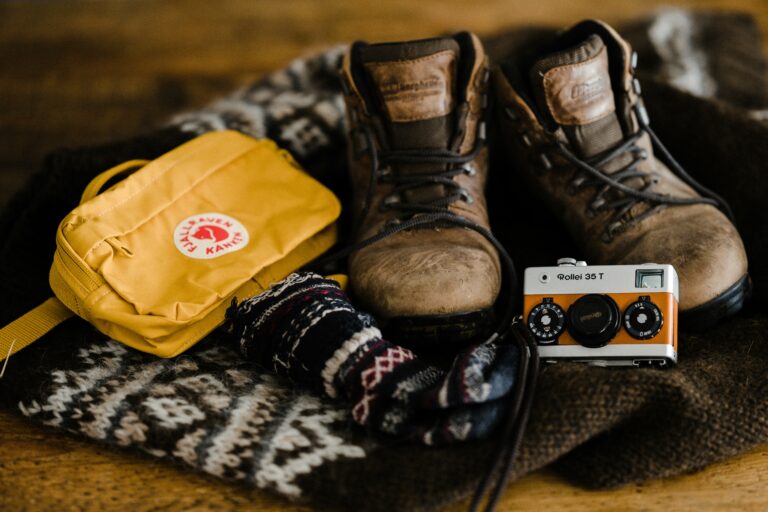
Adventure gear is expensive. A good policy covers lost, stolen, or damaged luggage, including your hiking boots, ski boots, camera, and climbing gear. Look for a policy that explicitly covers “sports equipment” or “adventure gear.” Limits range from $500 to $2,500. If you’re traveling with $3,000 worth of gear, buy a policy with a higher limit. Travelers who want to protect their investment might also consider looking into sturdy hiking boots that are easier to replace if lost.
Activity-Specific Coverage
This is where the fine print matters. Some policies have a general “adventure sports” cover that includes a long list of activities. Others require you to add a specific rider for things like heli-skiing or deep-sea diving. Read the exclusion list carefully. If your favorite activity isn’t listed, call the insurer or choose a different policy.
Deductibles
Most adventure policies have a deductible (or excess). This is the amount you pay before the insurance kicks in. A low deductible—say $50 to $100—is better for small claims. A higher deductible (e.g., $250) lowers your premium but means you’ll pay more out of pocket for a minor incident. I’d rather have a low deductible for medical claims and accept a higher one for baggage.
Top Adventure Travel Insurance Providers at a Glance
Here’s a quick overview of four major providers that regularly appear when people search for the best adventure travel insurance. Each has different strengths, and the right one depends on your trip length and activities.
- World Nomads: Best for backpackers and short-to-medium trips. Excellent adventure activity coverage up to 4,500m. Easy to buy and renew mid-trip.
- SafetyWing: Best for digital nomads and long-term travelers. Affordable monthly premiums, but activity-specific limits are lower. Good for last-minute bookings.
- Allianz Travel Insurance: Best for U.S. travelers who want comprehensive coverage and high medical limits. Trip cancellation coverage is excellent. Adventure sports add-ons available.
- AXA: Best for serious adventurers and extreme sports. High medical evacuation and repatriation limits. Good for climbers, divers, and skiers above 4,500m.

World Nomads: The Backpacker Favorite
World Nomads has been a staple in the adventure travel community for years. Their policies are designed specifically for travelers who book activities independently. You don’t have to be a backpacker to use them, but their coverage fits that style perfectly.

Typical coverage limits include up to $250,000 for medical evacuation and up to $50,000 for accidental death and dismemberment. Their adventure activity list is generous: hiking up to 4,500 meters, scuba diving down to 30 meters, skiing, snowboarding, bungee jumping, and many other activities. They also cover trip cancellation up to $5,000 and baggage up to $2,500.
One of the biggest selling points is how easy it is to buy or extend a policy mid-trip. I’ve done this twice: once from a hostel in Nicaragua and once from an airport lounge in Bangkok. It takes about five minutes.
A real-world example: A friend on a three-week trip in Peru had his backpack stolen while boarding a bus near Lake Titicaca. The bag contained his passport, camera, and hiking boots. He filed a claim online, submitted the police report and receipts, and received a payout for $1,200 within three weeks. That covered a new passport fee, a used camera, and a pair of boots.
Downsides: World Nomads is not the cheapest option. For a two-week trip, you might pay $80 to $150 depending on coverage and destination. Their medical evacuation limits drop after age 65, so older travelers should check carefully.
SafetyWing: Affordable Coverage for Digital Nomads
SafetyWing markets itself to remote workers, but its travel insurance plan works well for any long-term traveler. The big advantage is the monthly subscription model. You pay $45 to $60 per month for basic coverage, and you can cancel anytime. This is ideal if you’re traveling for several months or don’t know exactly when you’ll return.
For adventure activities, SafetyWing’s coverage is less generous than World Nomads. They generally cover activities like hiking (low altitude), cycling, and snorkeling, but they have lower limits for things like scuba diving (down to 30 meters) and skiing. For high-risk activities like heli-skiing or climbing above 4,500 meters, you’d need a rider or a different policy.
A practical scenario: You’re in Medellín and someone mentions a last-minute white-water rafting trip down the Río Verde. With World Nomads, you’d need to check if it’s on the covered list. With SafetyWing, I’d be less confident. For everyday risks—stomach bugs, minor injuries, lost luggage—SafetyWing is reliable and much cheaper.
Purchasing and managing a SafetyWing policy is straightforward. You sign up online, pay monthly, and can pause or cancel with a few clicks. The mobile app is solid for filing claims, though customer service can be slow during peak travel seasons.
Allianz Travel Insurance: Comprehensive Options for U.S. Travelers
Allianz is a major player in the U.S. travel insurance space. Their plans, like the OneTrip Premier, offer higher coverage limits than many adventure-specific policies. The OneTrip Premier plan provides up to $150,000 in medical coverage, $750,000 for emergency medical evacuation, and $15,000 for trip cancellation.
For adventure travelers, Allianz offers an Adventure Sports rider that you can add to certain plans. This rider covers a defined list of activities, including skiing, snowboarding, scuba diving, and hiking above certain altitudes. It’s not as broad as World Nomads’ standard list, but the medical and evacuation limits are dramatically higher.
A real-world example: A ski trip to Jackson Hole was canceled due to a massive snowstorm that closed the resort for three days. The group had pre-paid for lodging, lift tickets, and lessons. With Allianz, their trip cancellation claim—submitted with resort closure documentation—was approved within two weeks, covering over $4,000 in non-refundable costs.
If you’re a U.S. traveler planning a single expensive trip, Allianz is often the safest bet. Their annual plans are also worth considering if you take multiple trips per year. The downside is that adding the Adventure Sports rider increases the premium, and the base plan can be more expensive than World Nomads or SafetyWing for short trips.
AXA: Global Coverage and High Limits for Serious Adventures
AXA is the go-to for travelers who need the highest possible coverage limits, especially for extreme activities. Their Platinum plan offers $500,000 in medical evacuation, $250,000 in accidental death coverage, and $50,000 in trip cancellation. The activity list includes heli-skiing, deep-water diving, high-altitude trekking above 5,000 meters, and extreme sports like BASE jumping (with prior approval).
Who should consider AXA? If you’re a climber planning an expedition to a 6,000-meter peak, a diver going beyond 40 meters, or a skier hitting off-piste terrain in Chamonix, AXA’s coverage will handle it. The medical evacuation limit alone is reassuring if you’re hours from a proper hospital.
A word of caution: AXA’s policies are more expensive. Expect to pay $150 to $300 for a two-week trip with high coverage limits. Their activity-specific limits can be confusing. Some policies cover “mountaineering” but exclude “expedition climbing.” Read the fine print or contact their support before buying. For most casual adventurers, AXA is overkill. For serious ones, it’s worth every penny.
Adventure Insurance Comparison: Which Policy Fits Your Trip?
Here’s a side-by-side comparison of the four providers across key criteria to help you narrow down your choice.
- Medical Coverage (Primary): World Nomads ($250k), SafetyWing ($250k), Allianz ($150k base, higher with rider), AXA ($500k).
- Medical Evacuation: World Nomads ($250k), SafetyWing ($100k), Allianz ($750k), AXA ($500k).
- Trip Cancellation: World Nomads ($5k), SafetyWing ($0—no trip cancellation included), Allianz ($15k), AXA ($50k).
- Adventure Activity Coverage: World Nomads (generous list up to 4,500m), SafetyWing (basic, lower limits), Allianz (good with rider), AXA (excellent, up to 6,000m+).
- Price Starting At (2-week trip, mid-tier plan): World Nomads ($100), SafetyWing ($60/month basic), Allianz ($80-$120 base), AXA ($150-$300).
- Best For: World Nomads = Backpackers. SafetyWing = Digital nomads/long-term. Allianz = U.S. travelers/expensive trips. AXA = Extreme sports.
Mini decision guide:
- For a two-week hiking trip in Peru: go with World Nomads. Easy to buy, covers altitude, and good for gear loss.
- For a three-month backpacking trip across Southeast Asia: SafetyWing. Low monthly cost and simple to manage.
- For a $10,000 ski trip to Japan with pre-booked lessons: Allianz. High cancellation limits and medical coverage.
- For a Himalaya climbing expedition above 6,000m: AXA. Only provider with adequate evacuation and altitude coverage.
Common Mistakes When Buying Adventure Travel Insurance
I’ve made most of these mistakes myself. Here’s how to avoid them.
- Mistake #1: Buying too late. Insurance must be purchased before your trip starts. Buying after an incident happens means you’re not covered. What to do instead: Buy your policy as soon as you book your first non-refundable expense—flights, a tour, a deposit on a hostel.
- Mistake #2: Not reading the exclusions list. A “good” policy might cover “hiking” but exclude “mountaineering” or “trekking above 4,000m.” What to do instead: Read the fine print or open the policy’s PDF and search for “exclusions.” If your activity is missing, ask the insurer before buying.
- Mistake #3: Assuming “adventure” covers all activities. Some policies call themselves “adventure” but still exclude off-piste skiing or scuba diving. What to do instead: Use the provider’s activity check tool or call their support. Confirm your specific activity is on the list.
- Mistake #4: Choosing the cheapest policy without checking limits. A $30 policy from a random provider might only cover $10,000 in medical expenses. That’s not enough for a hospital visit or evacuation. What to do instead: Look for at least $100,000 in medical evacuation and $50,000 in medical coverage.
- Mistake #5: Skipping medical evacuation coverage entirely. Some budget policies offer basic medical coverage but zero evacuation. If you break your leg on a distant trail, you could be stuck with a $30,000 helicopter bill. What to do instead: Always prioritize evacuation coverage. It’s non-negotiable for adventure travelers.
How to File a Claim: A Step-by-Step Guide
When something goes wrong, staying calm and methodical helps the process go smoothly. Here’s what to do.
- Contact your insurance immediately. Most providers have a 24-hour emergency hotline. Call them before you do anything else. They can direct you to a network hospital or authorize emergency evacuation.
- Get a police report. If your passport, camera, or gear is stolen, go to the local police station and file a report. You’ll need it for your claim.
- Document everything. Take photos of any damage, injuries, or theft. Save receipts for medical bills, hotel stays, or replacement gear. Write down names and contact details of anyone involved (guides, hotel staff, doctors).
- Understand your coverage limits. Before you file, check your policy to see what the deductible is and how much the policy pays for the specific type of loss. This prevents surprises.
- Submit your claim online. Most providers have an online claims portal. Upload your police report, receipts, photos, and a brief written account. Keep copies of everything.
- Follow up. If you don’t hear back within two weeks, call or email customer support. Persistence usually pays off.

The Bottom Line: Choosing Your Best Adventure Travel Insurance
There’s no single best policy for everyone. The right insurance depends entirely on what you’re doing, where you’re going, and how long you’ll be away. If you’re a backpacker on a two-week trip with moderate activities, World Nomads is a safe bet. If you’re a digital nomad traveling indefinitely, SafetyWing gives you affordable, flexible coverage. For expensive, single-trip itineraries or high-risk activities, Allianz and AXA offer higher limits but at a higher price.
The most important step is buying the right policy before you leave. Don’t wait until the last minute. For those who need to pack quickly, having a reliable travel backpack can make the preparation a lot smoother.
Shop Music Production Gear
Shop Music Production Gear
Shop Music Production Gear