Canada Adventure Travel Guide: Rockies, Coast, and the North
Why Canada Works for Adventure Travel (and Who It’s For)
If you want mountains, coastlines, and actual wilderness in one trip, Canada is a strong contender. This guide focuses on three regions: the Rockies, the Pacific coast, and the North. Each demands a different approach—different gear, timing, and expectations. That’s part of the appeal. Canada rewards people who plan ahead and stay flexible.
This is for hikers, kayakers, climbers, wildlife enthusiasts, and anyone comfortable with self-reliance. It’s not for someone looking for a quick tour of Toronto and Montreal. If you want to paddle the Broken Group Islands, hike the West Coast Trail, or canoe the Nahanni River, you’re in the right place. Families with older kids (12+) can handle most of these trips. Solo travelers will find group tour options. The scale of Canada means you can’t just show up and figure it out. Driving distances are serious, weather shifts quickly, and services in remote areas are limited. Plan ahead, or you’ll spend your trip solving problems.

Before You Plan: Key Logistics for Canadian Adventure Travel
First-time visitors face a few bureaucratic steps, but they’re manageable if you handle them early. U.S. citizens need a valid passport. Most other visitors need an Electronic Travel Authorization (eTA) or visitor visa. The eTA application takes about 10 minutes online and costs $7 CAD. Do it at least a week before your flight.
Currency is the Canadian dollar. Credit cards work fine in towns, but bring cash for small businesses and park fees in remote spots. English is the main language, with French dominant in Quebec. You’ll get by with English anywhere, but knowing a few French phrases helps in Quebec’s rural areas.
If you’re driving, your home license is valid for up to 90 days. Consider an International Driving Permit if your license isn’t in English or French. Insurance is mandatory. Check if your credit card covers rental car insurance—many don’t cover Canada fully. Non-residents should buy travel insurance that covers emergency evacuation, especially for backcountry trips. Cell coverage is spotty. Rogers and Telus have the best rural coverage. Expect no signal in many parts of the Rockies, the North, and coastal islands. A personal locator beacon or satellite messenger (like a Garmin inReach) isn’t optional for remote trips—it’s essential.
When to Go: Seasonal Breakdown for the Rockies, Coast, and North
The Rockies
The sweet spot for hiking, camping, and wildlife is June through September. July and August are peak season. Trails are snow-free, lakes are thawed, and wildlife is active. Expect crowds on popular trails like Johnston Canyon and Lake Louise. For skiing, the season runs December through March. Banff and Lake Louise have some of the best ski terrain in North America. The tradeoff is clear: summer offers accessibility and long days, but you’ll compete for accommodation. Winter offers fewer tourists and cheaper lodging, but only if you ski.
The Pacific Coast
May through September gives you the best weather for kayaking, hiking, and surfing. July and August are warm and dry, but August often brings wildfire smoke. The shoulder months—May, June, and September—offer fewer crowds and still decent conditions. Winter storms bring rain and rough seas. Unless you’re a dedicated surfer chasing big waves, avoid November through February.
The North
For most travelers, the window is June through August. The Yukon and Northwest Territories have long daylight hours, manageable temperatures, and accessible trails. Nunavut is even more constrained—July and August only for non-expedition trips. The Northern Lights are visible from August through April in the North, but you need clear skies and darkness. That means winter trips for aurora viewing, which come with extreme cold and limited daylight. Know which experience matters more before booking.
The Rockies: Hiking, Camping, and Wildlife in Banff and Jasper
The Banff-Jasper corridor is the most famous adventure route in Canada. It’s popular for good reason. The mountains are big, the lakes are iconic, and the wildlife is abundant. But it also requires serious planning.
For hiking, start with the Plain of Six Glaciers trail. It’s about 11 km round trip from Lake Louise, with a teahouse at the halfway point. The views of the Victoria Glacier are worth every step. Johnston Canyon is shorter and more accessible, but expect crowds. For a quieter hike, try Parker Ridge along the Icefields Parkway. It’s steep but short, and the view of the Saskatchewan Glacier is excellent.
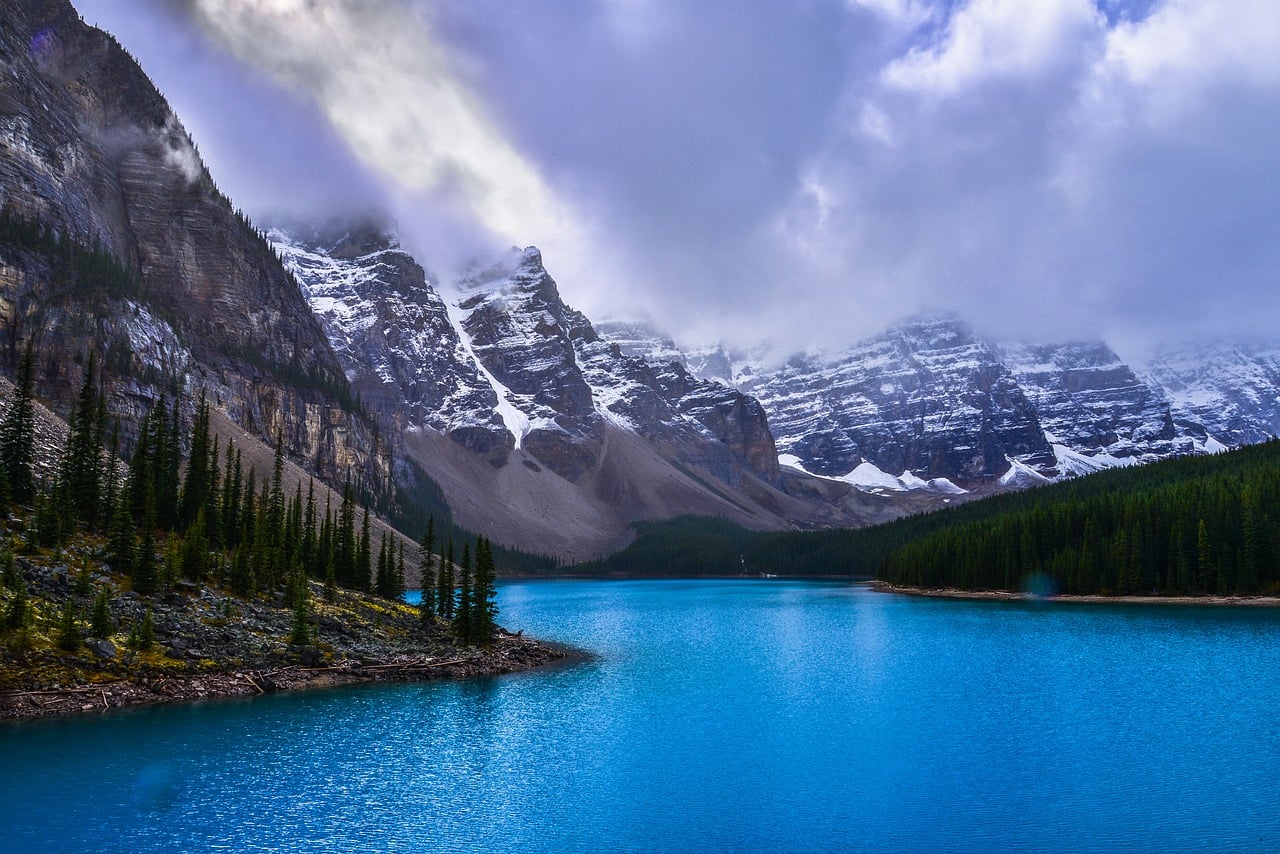
Canoeing on Moraine Lake is a classic. Rentals are available on-site, but arrive before 7 a.m. or after 5 p.m. to avoid the crowds. For a more adventurous option, join a guided glacier walk on the Athabasca Glacier. It’s safe with a guide, but the ice is real, and the weather changes fast.
Wildlife safety isn’t optional. You’re in bear country. Carry bear spray and know how to use it. Store food in bear-proof containers or lockers. Don’t hike at dawn or dusk alone. Moose, elk, and cougars are also present. Keep your distance. A 2023 study found that most wildlife incidents in Banff involved people ignoring posted guidelines. Don’t be that person.
Accommodation books six months or more in advance for summer. Campgrounds fill within hours of being released. If you miss out, consider staying in Canmore or Radium Hot Springs, which are cheaper and less crowded. For gear, bear spray is non-negotiable. Counter Assault is a reliable brand that’s widely available. Hiking poles are also useful for steep descents. A cheap pair from Amazon works fine for most trails.

The Pacific Coast: Kayaking, Rainforest Hikes, and Surfing
The Pacific coast offers a different kind of adventure—wet, wild, and deeply remote. Vancouver Island is the hub. Haida Gwaii and the Sunshine Coast are further off the beaten path.
Kayaking in the Broken Group Islands is a bucket-list trip. You need a sea kayak, dry bags, and good navigation skills. Most people book a guided trip for safety. The paddling is moderate, but the tides and currents require respect. The best months are July and August. Book permits through Parks Canada well in advance.
The West Coast Trail requires advance planning. It’s a 75 km backpacking route with ladders, cable cars, and mud. Very few people finish it in under six days. Permits are allocated by lottery in January. If you’re serious about it, apply early. Gear needs are specific: waterproof everything. A dry bag from Sea to Summit or Earth Pak will keep your gear dry. A waterproof camera like the Olympus Tough TG-6 is ideal for the coastal rainforest.
Surfing in Tofino is a highlight. The waves are consistent, the water is cold, and the rain is common. Wetsuits and boots are standard. Rent gear locally if you’re not a regular surfer. The town is expensive in summer, but the experience is worth it for intermediate to advanced surfers. Beginners should take a lesson first.
Comparing difficulty: kayaking trips require less endurance than hiking the West Coast Trail, but demand more technical skills. If you’re new to sea kayaking, go with a guide. The West Coast Trail is physically punishing—prepare with long training hikes.
The North: Remote Expeditions and Wildlife in Yukon, NWT, and Nunavut
The North is the most challenging region in Canada for adventure travel. It’s also the most rewarding for those who go. Yukon, Northwest Territories, and Nunavut offer true wilderness with minimal infrastructure.
Canoeing the Nahanni River is a classic. It’s a multi-day wilderness trip requiring whitewater skills and wilderness navigation. Most people book through a guiding company. The Tombstone Territorial Park in Yukon has world-class hiking with dramatic granite peaks. It’s remote but accessible via the Dempster Highway. The road is gravel and long—plan for at least a full day of driving each way.
The Northern Lights are a major draw. Fairbanks gets more hype, but the Yukon and NWT offer darker skies and longer viewing seasons. August through April is the prime window. Better views come in winter, but the cold is extreme. Bring everything you own for warmth: base layers, down jacket, windproof shell, insulated boots, and hand warmers.
Polar bear viewing in Churchill is expensive and logistically complex. It’s not technically part of the North, but it’s a top wildlife adventure. Costs start at $5,000 for a multi-day trip. Book through a specialized operator. This is for seasoned travelers with a budget to match.
Who should skip the North? If you’re not comfortable with high costs, limited amenities, and the possibility of weather delays, skip it. The North is best for experienced adventurers with a flexible schedule. First-time wilderness travelers should start with the Rockies or coast.
Gear Essentials for Multi-Region Adventure Travel in Canada
Your gear needs to cover everything from alpine tundra to coastal rainforest. A layering system is non-negotiable. Start with a merino wool base layer. Add a fleece or synthetic mid-layer. Finish with a waterproof shell jacket. Don’t skimp on the shell—you’ll need it in the Rockies and on the coast. Patagonia and Arc’teryx make reliable options, but you can get a good Columbia shell for less.
Waterproof footwear is critical. For hiking, I use the Salomon X Ultra 4 Gore-Tex. For kayaking, neoprene booties are better. They dry fast and work with foot pedals.
Bear spray is required in the Rockies and coastal trails. Carry it on your hip belt, not in your pack. Counter Assault is my go-to, but any legitimate brand works. Portable water filters are essential for backcountry trips. The Sawyer Squeeze is lightweight and reliable. It filters 99.99% of bacteria—safe for most Canadian water sources.
A GPS/satellite messenger like the Garmin inReach Mini 2 is worth the investment. It allows two-way messaging and SOS alerts. Don’t rely on a phone for backcountry navigation. A multi-tool like the Leatherman Skeletool can fix gear, open cans, and handle small emergencies.
Common Mistakes First-Time Adventure Travelers Make in Canada
Mistake one: underestimating distances. Driving from Vancouver to Banff takes 10 hours without stops. Calgary to Jasper is five hours. The North requires even more driving or flying. Plan travel days accordingly.
Mistake two: not booking accommodation early. In the Rockies, summer campsites sell out in hours. Hotels in Banff and Jasper book months ahead. Book your lodging as soon as you book your flights. The same applies to backcountry permits for the West Coast Trail and Nahanni River.
Mistake three: ignoring wildlife safety. People approach bears for photos. They leave food unattended. Then they wonder why a bear visits their campsite. Follow park regulations. Carry bear spray. Store food properly. It’s not complicated, but it requires discipline.
Mistake four: packing for only one climate. The Rockies can have snow in July. The coast can have rain in August. Bring a system that adapts. A warm baselayer, fleece, and waterproof shell covers 90% of conditions.
Mistake five: skipping travel insurance. A helicopter rescue in the North costs thousands. A broken leg on the West Coast Trail requires evacuation. Buy insurance that covers adventure activities. It’s cheap compared to the cost of an emergency.

Budgeting for a Canada Adventure: Costs, Tips, and Tradeoffs
Costs vary significantly by region. Here’s a rough daily budget for one person:
- Rockies: Budget $100-$150 per day (camping, cooking, free hikes). Mid-range $200-$300 (motels, restaurants, paid guided tours). Luxury $400+ (resorts, private guides).
- Coast: Budget $120-$180 per day (hostels, cooking, free hikes). Mid-range $250-$350 (Airbnb, restaurant meals, guided kayaking). Luxury $500+ (lodges, private tours).
- North: Budget $200-$300 per day (hostels, limited food options). Mid-range $400-$600 (lodges, guided trips). Luxury $800+ (fly-in lodges, private guides).
Ways to save: Cook your own meals. Groceries are cheaper than restaurants, and camping stoves are easy to use. Use hostels or campgrounds. In the Rockies, the HI hostels in Banff and Jasper are excellent. Book tours directly with operators instead of through third-party platforms to avoid commissions. For gear, rent instead of buying. MEC and local outfitters rent tents, sleeping bags, and kayaks at reasonable rates.
Tradeoffs: cheaper options mean less comfort. A hostel bunk is fine for one night, but after a week, you might prefer a private room. A cooking stove saves money but adds weight. Decide what matters for your trip.
Best Ways to Book Tours, Accommodations, and Transport
For accommodations, Booking.com offers flexibility and a wide selection. Direct hotel bookings often have better cancellation policies. For tours, Viator is useful for standard day trips. For specialized guides like those for the Nahanni River or West Coast Trail, book directly through the guiding company. They often know the permits and logistics better than a middleman.
Transport: rental cars are the best option for the Rockies and coast. Book early—especially in summer. Check for one-way fees if you’re flying into Calgary and out of Vancouver. For the North, internal flights on WestJet or Air Canada are necessary. The Rocky Mountaineer train is beautiful but expensive—starting around $2,000 for a basic two-day trip. Via Rail is cheaper but slower. For gear rental, check MEC stores in Vancouver and Calgary. They rent camping and hiking gear at fair prices.
Pulling It All Together: Sample 10-Day Multi-Region Itinerary
This itinerary combines the Rockies and the coast. It fits most budgets and gives you a taste of both regions. The North requires a separate, longer trip.
Day 1: Arrive in Calgary. Rent a car. Drive to Banff (1.5 hours). Check into a budget motel or hostel. Evening walk to Bow Falls.
Day 2: Hike Johnston Canyon early. Afternoon: canoe on Moraine Lake (arrive before 7 a.m. for parking).
Day 3: Drive the Icefields Parkway to Jasper (3.5 hours). Stop at Parker Ridge trail. Book a glacier walk in advance.
Day 4: Full day in Jasper. Hike the Sulphur Skyline Trail. Evening wildlife viewing in the Athabasca Valley.
Day 5: Drive back to Banff. Afternoon: visit the Banff Gondola for panoramic views.
Day 6: Fly from Calgary to Vancouver. Rent a car. Drive to Tofino (4 hours, including ferry).
Day 7: Surf lesson in Tofino. Afternoon: kayak in the Broken Group Islands (guided trip).
Day 8: Full day on the West Coast Trail day hike section near the Nitinat Narrows. Book permits in advance.
Day 9: Drive to Victoria. Visit Butchart Gardens. Evening whale-watching tour.
Day 10: Fly from Victoria to home.
Accommodation: Banff (HI Banff Alpine Centre), Jasper (HI Jasper), Tofino (Tofino Resort + Marina or a budget Airbnb), Victoria (Fairmont Empress for luxury, HI Victoria for budget). Book everything at least three months in advance.
This itinerary is aggressive but doable. It gives you a real sense of both regions without flying across the country. Adjust based on your interests. If you prefer more hiking, drop a day in Victoria. If surfing isn’t your thing, swap Tofino for a kayaking trip in the Gulf Islands.
Final Tips for a Safe and Successful Canada Adventure
Expect physical challenges. The Rockies have steep trails at altitude. The coast has mud, rain, and tides. The North has extreme remoteness. Train for your specific activities.
Respect wildlife. Keep distance. Carry bear spray. Store food properly. Follow park rules. They exist for your safety and the animals’.
Book everything early. Accommodation, permits, and tours fill up. Last-minute planning will leave you with limited options and higher prices.
Stay flexible. Weather changes fast. Wildfires can close roads. Have a backup plan. A day spent hiking a lower-altitude trail is better than a day stranded in your car.
Check park alerts daily. Parks Canada posts closures and warnings online. Don’t rely on outdated guidebooks or old blog posts.
Ready to book? Start with your flights and park accommodation, then plan your daily activities. That order saves you the most stress and opens up the best options. Canada’s adventure travel scene rewards preparation. Put in the work, and the payoff is a trip you’ll remember for a lifetime.