The Ultimate Adventure Travel for Digital Nomads Guide
Introduction
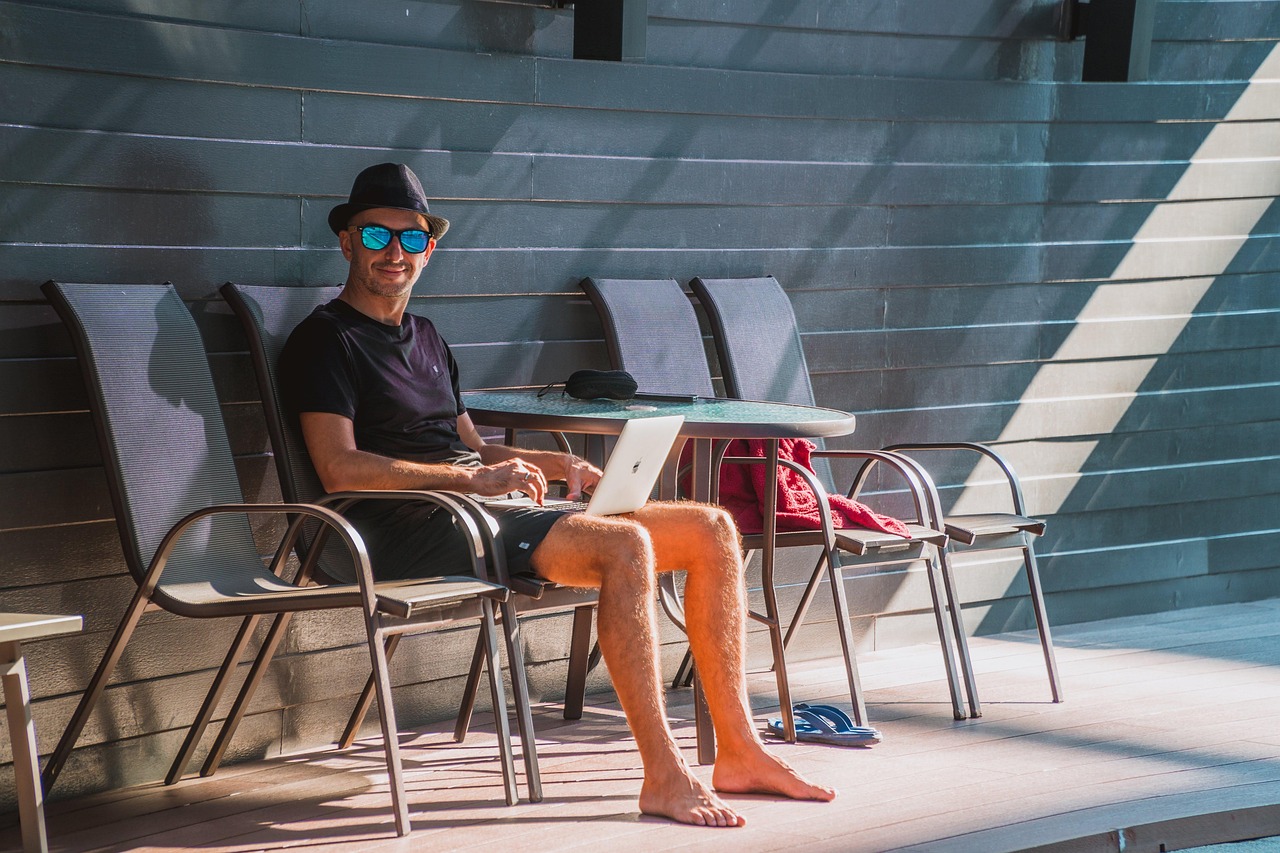
Adventure Travel for digital nomads. It sounds like a fancy term for something that’s actually pretty simple: working from places where you can also do fun stuff outdoors. This guide is for you if you’re early in the process of mixing your remote job with hiking, climbing, surfing, or diving. It’s not about hype or inspiration. It’s about the real logistics: which destinations actually work, what gear you need, and how to keep your clients happy while you’re watching the sunset from a Mountain peak. The biggest problems? Unreliable internet that makes you miss a deadline, overpacking for every possible weather scenario, and thinking you can squeeze a full workday into a few hours before an adventure. Skip the glamorized social media posts. This is the real deal.

What Makes a Destination Suited for Adventure Nomads
Not every beautiful place works for a nomadic schedule. You need more than just a nice view. Here’s what to actually look for.
Reliable internet. This is non-negotiable. Look for places with fiber-optic or strong 4G/5G coverage. Check nomad forums for real-time speed tests, not just hotel websites that claim ‘fast WiFi.’ Places like Medellin, Chiang Mai, and Tenerife have solid infrastructure. Small mountain towns might not.
Affordable coworking spaces. Working from your bed gets old fast. Coworking memberships solve two problems: stable internet and a proper desk. Cities with a strong nomad scene usually have several options, from budget-friendly (around $50/month in Thailand) to higher-end hubs. Some also have lockers for gear storage, which is useful if you’re heading out for a day hike.
Accessible adventure hubs. You don’t want to ride a bus for four hours each way just to get your adventure fix. Look for destinations where the activities start within a short ride from where you stay. In Medellin, paragliding launch sites are about 30 minutes from the city. In Chiang Mai, hiking trails start right at the edge of town.
Safety and stability. Adventure isn’t the same as being reckless. Prioritize places with low violent crime rates, good healthcare, and decent emergency services. Check travel advisories, but also look into nomad-specific Facebook groups for ground-level safety reports from people actually there.
Visa ease. For stays of 1-3 months, some countries are straightforward. Thailand offers a 30-day visa on arrival with extensions. Colombia gives 90 days. Others, like New Zealand, need advance planning and proof of onward travel. Figure this out before you book anything.
The tradeoff: cost vs infrastructure. Budget-friendly destinations (Southeast Asia, Central America) often have less reliable power grids or slower internet during peak times. More expensive spots (parts of Europe, New Zealand) have top-tier infrastructure but will empty your wallet faster. For a 1-3 month stay, I’d lean toward the middle ground: decent infrastructure without the high price tag.
Top 5 Destinations for Adventure Travel While Working Remotely
These five places consistently deliver on the nomad-adventure balance. They aren’t perfect, but they work.
1. Medellin, Colombia
Best for: Paragliding, hiking in the surrounding hills, and exploring nearby coffee regions. The city has a large nomad community with dozens of coworking spaces (try Selina or WeWork). Internet is generally fast and reliable in the El Poblado and Laureles neighborhoods. Cost: Moderate. You can find a good studio apartment for $500-800/month. Downside: The city sits at 5,000 feet. Altitude can hit you harder than you expect, especially during hikes. Also, avoid walking alone at night in certain areas.
2. Chiang Mai, Thailand
Best for: Rock climbing at Crazy Horse Buttress, hiking Doi Suthep, and waterfall chasing. This is the original nomad hub for good reason. Internet is excellent, coworking spaces are cheap (Punspace, Yellow), and the food is great. Cost: Very affordable. A month’s rent in a decent apartment is $300-500. Downside: The burn season (February-April) brings heavy air pollution. Also, the party scene can be distracting if you’re trying to work.
3. Queenstown, New Zealand
Best for: Bungee jumping, skiing, jet boating, and world-class hiking (the Routeburn Track is nearby). Internet is solid, but coworking spaces are limited and pricey. The vibe is outdoor-focused, which means you’ll be tired by 9 PM. Cost: High. Accommodation is $1,200+ per month for a basic room. Food and activities are expensive. Downside: Visa rules are strict; you’ll need an NZeTA or a visa waiver. Seasonal workers compete for housing during peak ski season.
4. Tenerife, Spain
Best for: Surfing, hiking up Mount Teide (a volcano), and year-round mild weather. The south coast (Costa Adeje, Los Cristianos) has strong WiFi and a growing nomad scene. Coworking spaces like Coworking Sur offer proper desks and community events. Cost: Moderate. Rent for a studio is $600-900/month. Downside: The island can feel crowded in peak season. Some beaches get busy, and parking near hiking trailheads is difficult without a rental car.
5. Bali, Indonesia
Best for: Surfing, yoga, and jungle treks (Campuhan Ridge Walk, Mount Batur sunrise hike). The internet in Canggu and Ubud is good enough for video calls most of the time. Coworking spaces like Outpost or Hubud are excellent. Cost: Affordable to moderate. A month in a decent villa is $400-800. Downside: Bali is crowded, traffic is a nightmare, and infrastructure (roads, electricity) is stretched. The tourism scene can feel less authentic than other spots on this list.

Essential Gear for Combining Work and Wilderness
You’re not backpacking for a month with just a sleeping bag. You need gear that lets you work from a coffee shop, then hit a trail without stopping at your room first.
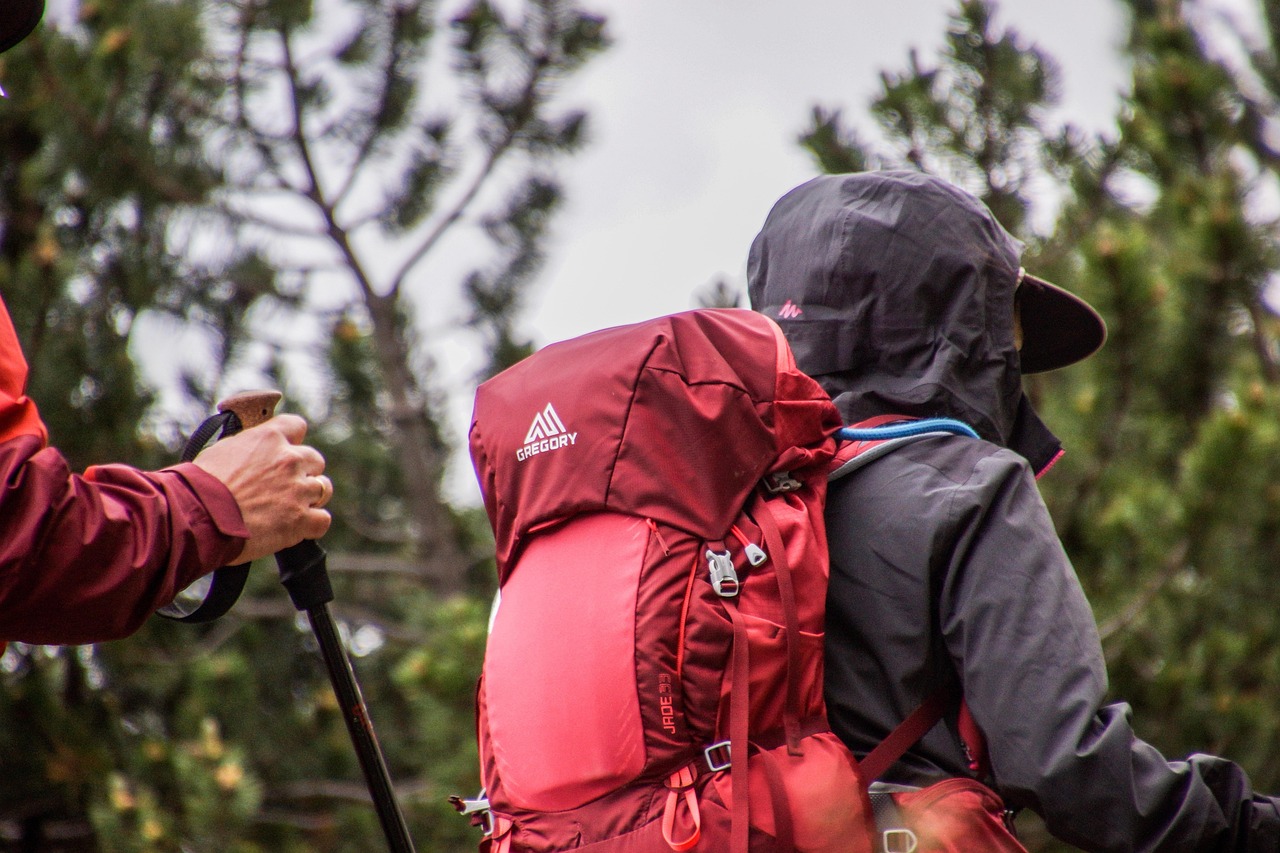
Durable laptop backpack. The Osprey Farpoint 55 is a common choice among nomads. It has a padded laptop compartment, a detachable daypack for hikes, and decent suspension for carrying 20+ pounds. It’s not the cheapest, but it lasts. Travelers who need a more compact option might prefer a dedicated hiking daypack for daily excursions. Look for one with a built-in rain cover if you’re heading to a rainy spot like Bali or Tenerife.
Portable charger. Anker PowerCore series is a standard choice. The 20,000 mAh model will charge a phone 4-5 times. This matters when you’re on a long hike or your coworking space has a power outage (which happens more than you think in developing countries). Get one with a USB-C cable for faster charging.
Rugged phone case. You will drop your phone on rocks, sand, or concrete at some point. A case like OtterBox or Spigen Tough Armor handles those drops. Combine it with a tempered glass screen protector. A cracked screen halfway into a month-long trip is a pain.
Quick-dry towel. PackTowel or REI’s version. They take up almost no space and dry in an hour. Useful for impromptu swims, hostel showers with thin towels, or drying off after a sweaty hike before heading to a client call.
Collapsible water bottle. Platypus or Vapur. They fold flat when empty, so you’re not carrying a bulky bottle on a cramped taxi ride. Staying hydrated on a hike is obvious, but also important for long coworking sessions in dry climates like Medellin’s altitude.
How to Maintain a Work Routine While Chasing Adventure
The urge to spend every waking hour exploring is real. But your paycheck depends on showing up. Here’s how to split your day without wrecking either.
Time-block your hardest work for the morning. Most adventure activities happen between 10 AM and 4 PM. If you front-load your day with deep work (meetings, coding, writing), you’ll be free for the afternoon. Set a hard cut-off at noon, then switch to adventure mode. This takes discipline, but it works.
Choose destinations with reliable electricity. That sounds obvious, but power drops happen in places like Bali and parts of Thailand. Check if your accommodation has a generator or backup power. If not, pack a portable solar charger for emergencies, or scope out a café with backup batteries.
Use coworking memberships strategically. Chains like Selina and WeWork let you buy day passes or monthly memberships. The advantage? Locked desks, backup internet, and a consistent schedule. Some even have gear lockers for rental storage. If you’re staying a month, buy the monthly pass. It’s cheaper than paying daily.
Plan offline periods around light work days. If you know you have a multi-day hike or a surf trip into an area with no signal, block it for weekends or days with minimal client email. Use tools like Google Fi or a local SIM card (e.g., AIS in Thailand, Claro in Colombia) for backup. Test them before you need them.
A common mistake: overscheduling. Don’t plan a 20-mile hike the day after a 10-hour travel day. Your body will hate you, and your work will suffer. Build in recovery days. A good rule is one big adventure every three days, with light exploration (walking, cafés, local markets) in between.
Adventure Type Comparison: Hiking vs. Water Sports vs. Climbing for Nomads
Not every adventure fits every nomad’s schedule, fitness level, or budget. Here’s how they compare.
Hiking: This is the most accessible for nomads. Required gear: decent boots, a backpack, and water-resistant clothing. Cost per outing is low, usually free for trails or $5-10 for national park entry. Accessibility is high from most nomad hubs, especially in Medellin, Chiang Mai, and Tenerife. Physical demands vary by trail, but you can choose your difficulty. Best for: Nomads on a tight budget or with moderate fitness. Tradeoff: Hiking is time-intensive. A solid day hike can take 4-6 hours, so you’ll need to plan your work schedule around it.
Water sports (surfing, kayaking, diving): Requires specialized gear (wetsuit, board, fins) or rentals. Rentals add $20-50 per session. Best destinations: Bali (surfing), Tenerife (surfing), Queenstown (kayaking). Physical demands are moderate to high, especially for beginners. Best for: Nomads near coastal hubs with surf or dive schools. Tradeoff: Rental costs add up quickly. Consider buying used gear if you’re staying 2+ months in one spot. Diving also requires a certification course (3-4 days), which is hard to fit into a work week.
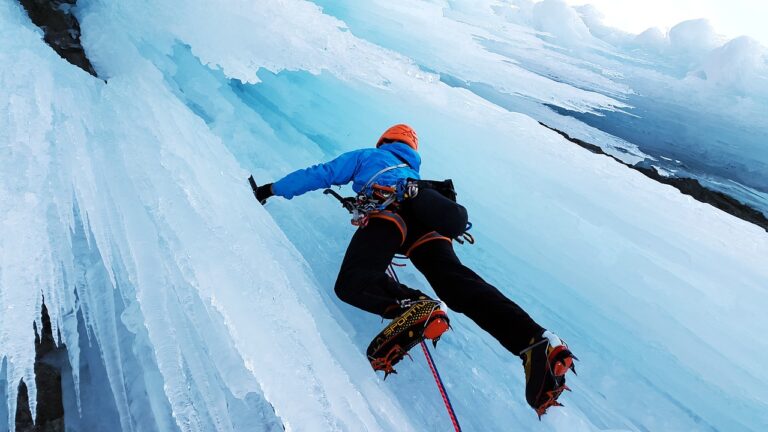
Climbing (rock, bouldering): Requires a harness, shoes, and a chalk bag. Cost is moderate if you bring your own gear. Good destinations: Chiang Mai (Crazy Horse Buttress), Queenstown, and parts of Colombia. Physical demands are high. Best for: Nomads with climbing experience or willingness to learn at a nearby gym. Tradeoff: Climbing can be done close to town (gym or crag), which saves travel time. But crashing from a big climb can leave you sore for two days, affecting your productivity.
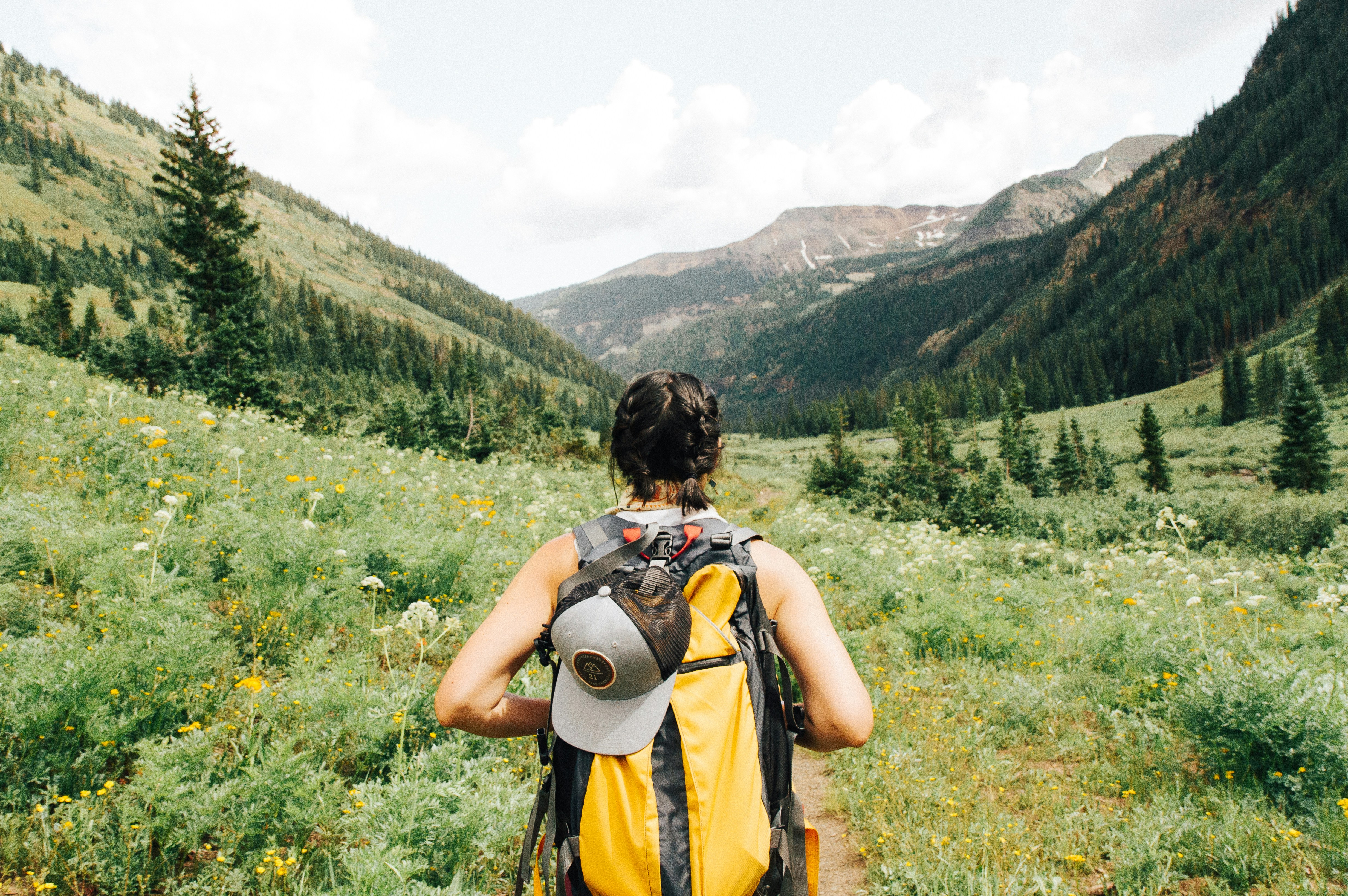
Booking Logistics: Tours, Transport, and Accommodation Tips
Booking smart saves money and stress. Here’s how to handle it.
Book tours through reliable platforms. Platforms like GetYourGuide and Viator have honest reviews and clear cancellation policies. I’ve found that multi-day adventures are better booked mid-week (Tuesday-Thursday) to avoid crowds. Also, read the fine print on what’s included. Many tours list ‘lunch’ but only provide a basic sandwich.
Accommodation with WiFi reviews. On Booking.com or Airbnb, filter stays with a ‘strong WiFi’ label. But don’t stop there. Read recent reviews specifically mentioning internet speed and reliability. ‘The WiFi was great’ from a review six months ago means nothing if the building changed its router setup last week. Look for stays that mention ‘stable connection for video calls.’
Travel insurance is non-negotiable. Adventure activities raise your risk. Services like SafetyWing and World Nomads offer plans that cover hiking accidents, gear theft, and even trip cancellations. A standard policy is around $45-60 per month. That’s cheaper than a single emergency room visit in a country like New Zealand or Colombia.
A major caution: avoid non-refundable bookings. Your schedule might shift due to work deadlines or weather. A flexible cancellation policy costs a bit more upfront but saves you from losing $200+ on a tour you can’t do. If you absolutely must book non-refundable, wait until 7-10 days before the activity, once your work schedule is locked.
Common Mistakes Adventure Nomads Make and How to Avoid Them
I’ve seen these mistakes cost people money, health, and productivity. Here’s how to avoid them.
1. Underestimating recovery time. You did a 5-hour hike with 2,000 feet of elevation gain. Your legs are shot. You can’t work efficiently the next day. The fix: build in rest days. Schedule a ‘low effort’ day after big adventures. That means couch work, not exploring.
2. Assuming every coffee shop has stable internet. This is a common mistake in popular nomad hubs. A café might be fine for browsing but terrible for a Zoom call. The fix: before you commit to a café for a day, ask to run a speed test on their network. Most staff will let you. Aim for at least 10 Mbps download and 5 Mbps upload for reliable video calls.
3. Packing too much gear for one climate. You’re bouncing from a beach town to a mountain village. You don’t need a full winter jacket for both. The fix: pack layers. A lightweight merino wool base layer, a fleece, and a waterproof shell will handle most combinations. Leave the heavy parka at home. A lightweight waterproof rain jacket is worth considering for something packable that handles unexpected showers.
4. Not checking visa rules for extended stays. Overstaying a visa can result in fines, deportation, or a ban. The fix: check the official embassy website for the country you’re going to. Don’t rely on a TikTok video. For stays over 30 days, look into digital nomad visas (Colombia, Thailand, and Spain now have them).
5. Ignoring altitude or weather seasonality. Hiking a volcano in Tenerife in August is brutal. Paragliding in Medellin in the rainy season (April-May) is unreliable. The fix: research ‘low season’ for adventure activities in your destination. Often, shoulder seasons (April, October) give you the best weather with fewer crowds.

Budgeting for Adventure Travel on a Nomad Income
Your money goes further in some places than others. Here’s a realistic breakdown.
Monthly accommodation: $400-1500. Southeast Asia (Chiang Mai, Bali) is on the low end. Queenstown and Tenerife are at the top. You can save by renting a private room in an apartment rather than a whole place.
Gear upgrade once per year: $200-500. This includes replacing worn-out shoes, a new backpack, or adding a portable charger. Don’t buy non-essential gear just because it’s on sale. Wait until you actually need it.
Local tours: $30-100 per day. A guided hike with lunch is $40-60. Surf lessons are $30-50. Multi-day treks (like the Inca Trail) cost several hundred. Budget for one big activity per week and plan accordingly.
Food: $10-25 per day. In Chiang Mai, street food lunches cost $2. In Queenstown, a basic lunch is $15. Cooking your own meals in an Airbnb kitchen cuts costs a lot.
Hidden costs: Permits for national parks ($10-20 per entry), guide tips (10-15% of tour cost), and equipment rentals for climbing or diving ($20-50 per session). Know these before you arrive.
Budget-friendly comparison: Southeast Asia and Central America offer the best value. Premium destinations like New Zealand and Switzerland are harder to sustain on a typical nomad income. If you’re just starting, pick a cheaper hub first to build your savings.
Final Thoughts: Making Adventure Work a Long-Term Reality
Adventure travel for digital nomads is definitely doable, but it’s not automatic. It takes planning, the right gear, and a willingness to prioritize your time. Start small. Take a weekend hike near a coworking hub. Try a surf lesson on a free afternoon. You don’t need to climb Everest tomorrow. Build a rhythm that works for you. For more practical advice on gear and specific destinations, check out the resources on Pat’s Travels. No hype. Just workable plans. Travelers looking to simplify their packing for mixed work-and-adventure trips might find a travel organizer cube set for backpack helpful to keep gear and gadgets separate.