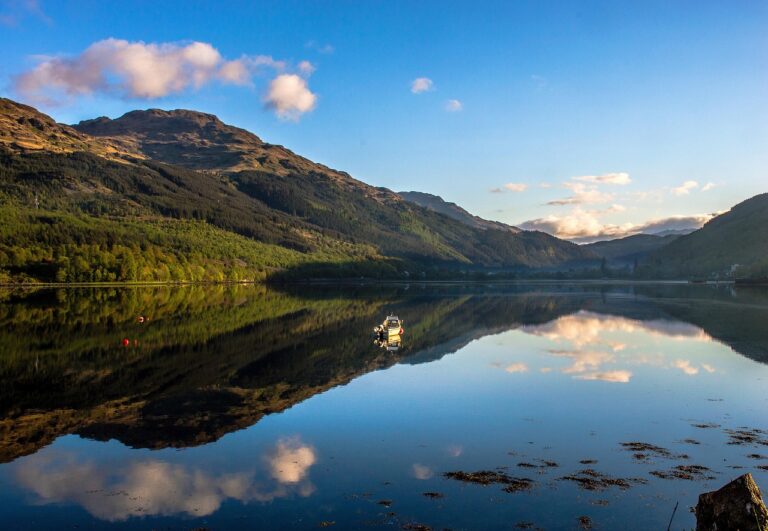
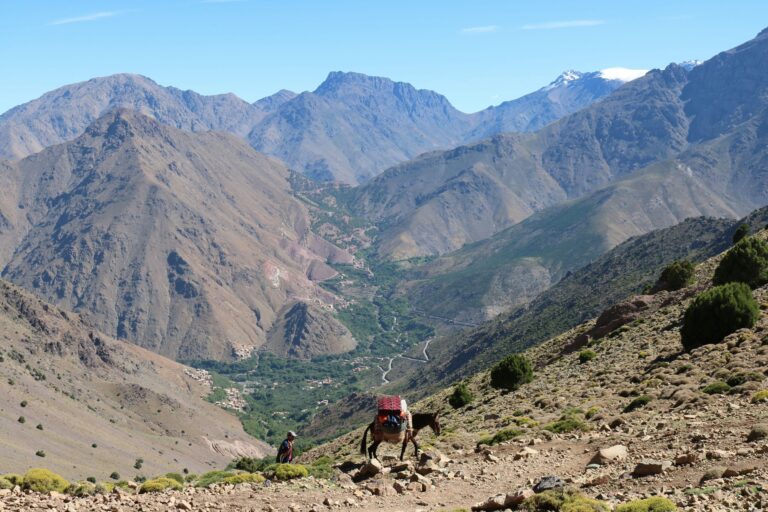
Norway Adventure Travel: Fjords and Northern Lights
Norway Adventure Travel: A Practical Guide to Fjords and the Northern Lights
Planning a trip to Norway looks great on paper, but the reality on the ground is a bit more complicated than the Instagram photos suggest. This guide covers both the dramatic fjords and the elusive Northern Lights. It’s written for people who actually plan to go, not just dream about it. You’ll get practical advice on timing, routes, gear, and booking. The main trade-off you need to understand: winter (October–March) gives you the lights and snow, but days are short and many fjord roads close. Summer (May–September) offers endless daylight for hiking and cruising, but you won’t see the aurora. We’ll cover both, plus the shoulder seasons that offer a middle ground.

When to Go: Balancing Fjords and Northern Lights
This is probably the biggest decision you’ll make. Here’s how the two main seasons actually break down.
Summer (May–September): This is prime time for the fjords. Weather is mild (10-20°C), days are long (midnight sun in the north), and all hiking trails and mountain roads are open. You can cruise the fjords, kayak, hike Trolltunga, and drive scenic routes like the Atlantic Road. The downside? No Northern Lights. It’s also peak tourist season, so you’ll need to book everything well in advance.
Winter (October–March): This is your window for Northern Lights. Days are short (4-6 hours of daylight in the north), and the weather can be cold and unpredictable. But you get the aurora, snow activities like dog sledding, and significantly fewer crowds. Many fjord cruises and mountain roads shut down. Your base should be Tromsø or the Lofoten Islands. Driving can get sketchy, so consider guided tours or public transport.
Shoulder Seasons: September offers a decent compromise: still good hiking weather, fewer crowds, and increasing chances of seeing the aurora as the nights grow longer. March is another option: good snow for winter sports, longer days, and decent aurora prospects until late March. These months work well if you want a taste of both, but you’ll need some flexibility in your itinerary.
Quick Season Reference
- Best for fjords & hiking: June–August (longest days, open trails)
- Best for Northern Lights: October–March (dark nights, clear skies)
- Best compromise: September (hiking + aurora) or March (winter sports + aurora)
- Cheapest time: November (low season, but dark and wet)
- Most crowded: July–August (book 3-6 months ahead)
If you need reliable winter boots for snow and ice, options like insulated waterproof winter boots make a real difference when you’re standing outside waiting for the aurora.
Norway’s Fjords: Which Ones Are Worth Your Time?
Not all fjords are the same, and you probably won’t have time for all of them. Here’s a practical rundown of the top ones and who they’re best for.
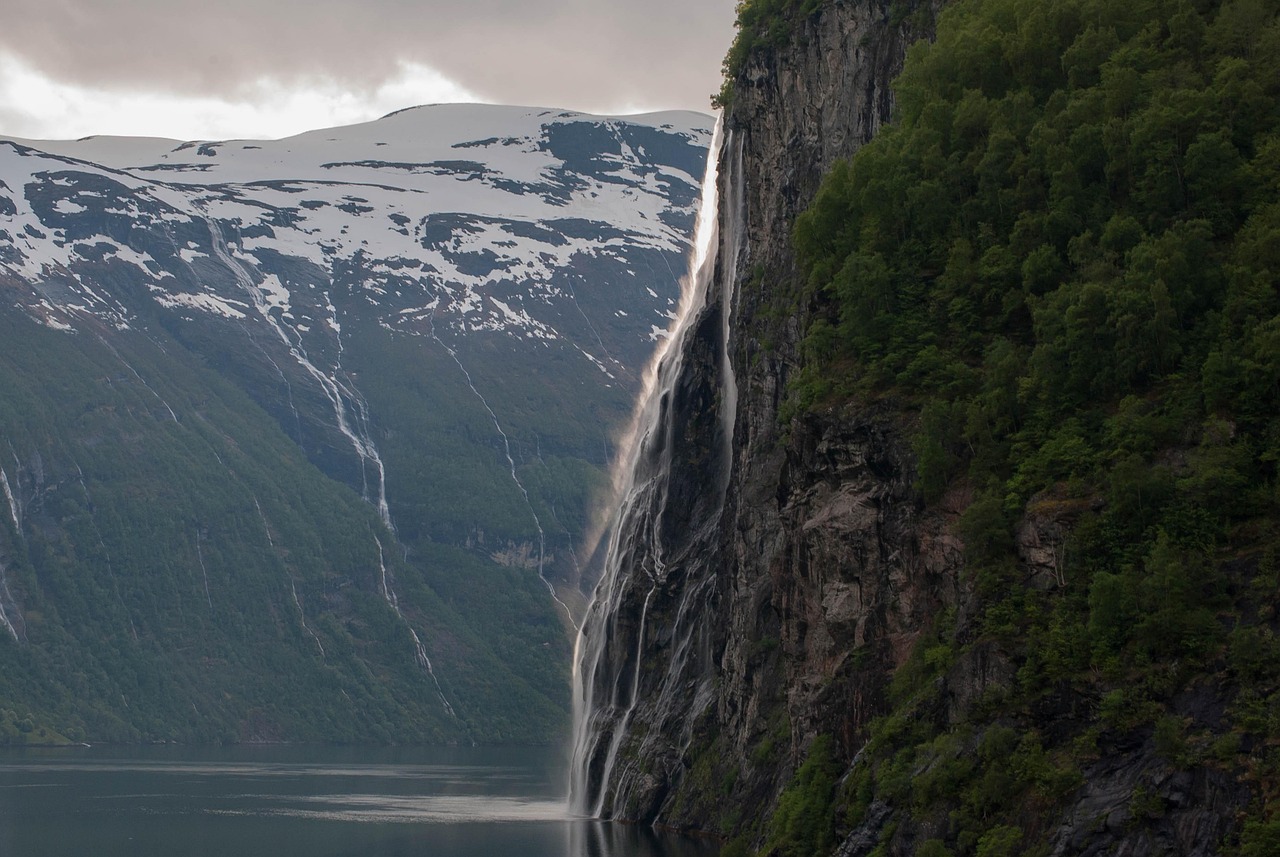
Geirangerfjord: The poster child. This UNESCO-listed fjord is spectacular, with waterfalls like the Seven Sisters and steep cliffs. Best seen by cruise ship or a guided boat tour from Geiranger village. The catch? It gets packed in summer. If you want more peace, try late May or early September. Allow half a day for a boat tour, plus a day to explore the surrounding mountain viewpoints (Dalsnibba, Flydalsjuvet).
Nærøyfjord: Another UNESCO site, but narrower and more dramatic. It’s a branch of the larger Sognefjord. The best way to experience it is by kayak—you can paddle right up to the cliff walls and really feel the scale. Guided kayak tours from Flåm are excellent. For something more comfortable, take the passenger ferry from Flåm to Gudvangen. Allow 2-3 hours for the ferry, half a day for kayaking.
Sognefjord: The king of fjords—longest and deepest. It’s less dramatic than Geiranger or Nærøyfjord, but offers more variety. You can take a cruise from Bergen to Flåm, ride the Flåm Railway, and stay in charming villages like Balestrand. This is a good choice if you want a full-day or multi-day fjord experience without the crowds of Geiranger. Works well for cruise passengers or those with a rental car.
Hardangerfjord: Less steep than the others, but known for its fruit orchards and waterfalls. It’s a solid option if you’re driving between Oslo and Bergen and want a scenic, less-touristy stop. The Hardangervidda plateau is excellent for hiking. Worth a half-day drive or an overnight stay.
Lesser-Known Alternatives: If Geiranger feels too crowded, consider the Lysefjord near Stavanger. It’s famous for the Preikestolen (Pulpit Rock) hike and Kjeragbolten. If you’re in the Lofoten Islands, the fjords there (e.g., Trollfjord) are smaller but equally stunning, with fewer tourists. Your time is limited—pick 2-3 fjords based on your route and what interests you most.
Northern Lights: Where and How to Actually See Them
Let’s be realistic: no one can guarantee Northern Lights. But you can stack the odds significantly in your favor. Here’s the reality.
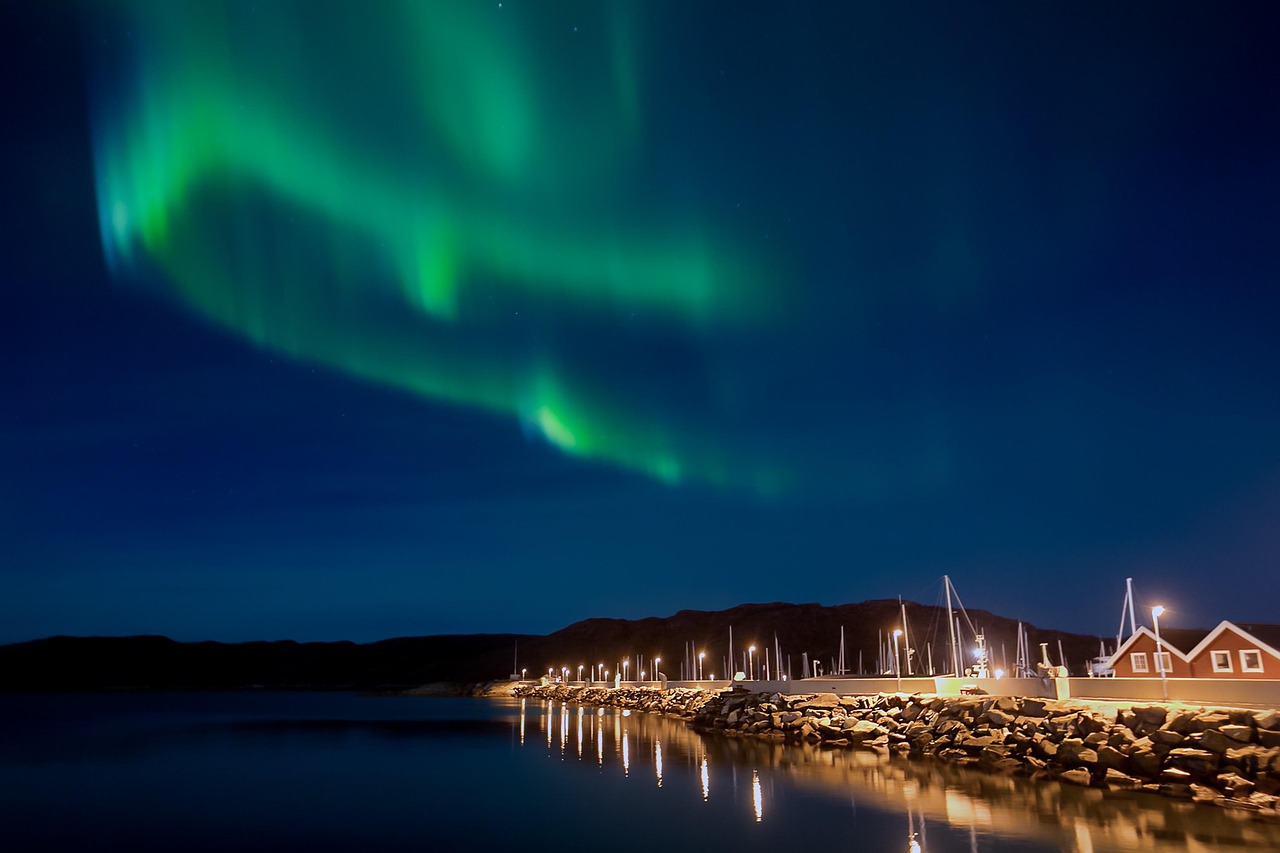
Best Locations: The aurora zone lies between 65° and 72° north. In Norway, that means Tromsø (the most popular base), the Lofoten Islands (more dramatic scenery but less infrastructure), and the Finnmark region (more remote). Abisko in Sweden is famous for its clear skies, but you’re crossing the border. Stick to the Norwegian side for convenience: Tromsø is the most reliable for tours, transport, and accommodation.
When to Go: The season runs from late September to late March. The best months are October, February, and March, when nights are long and weather is relatively stable. November and January tend to be cloudier and more volatile. Avoid the full moon if you can—it washes out the lights.
What You Actually Need:
- Clear skies: This matters more than the KP index. A KP3 with a clear sky is better than KP5 under clouds. Use yr.no or the Varsom Aurora app for local cloud forecasts.
- Dark location: Get away from city lights. Tromsø’s main aurora spots are 20-30 minutes outside town. Tours take care of this, but if you’re driving, scope out a dark spot during the day.
- Patience and warmth: The lights can appear for a few minutes or a few hours. You’ll be standing in the cold for potentially hours. Wear thermal base layers, a windproof jacket, insulated boots, and multiple layers. I use Woolpower and Norrøna gear—expensive but worth it.
- Camera gear: A tripod, a camera with manual mode (or a good smartphone on a tripod), and a remote shutter. Wide-angle lens (14-24mm) with aperture f/2.8 or lower. For smartphones, use Night Mode and a tripod. A compact travel tripod that fits in your daypack helps stabilize your camera. I also recommend a convenient camera clip for hands-free carrying while hiking.
Manage Expectations: ‘Guaranteed’ aurora tours can be misleading. Reputable operators will try again the next night, but they can’t control the weather. Book a tour that offers a rebook policy. A small group tour (6-8 people) is better than a bus of 40. Expect to pay 1,500-3,000 NOK per person for a 4-6 hour tour. It’s worth it for the local expertise and transport.

Top Adventure Activities in Norway
Norway offers a spectrum of activities. Here’s a breakdown by season and difficulty level.
Summer Activities
- Hiking: The famous ones—Trolltunga, Preikestolen, Kjeragbolten—are wildly popular. They require decent fitness (5-10 hours each) and good weather. Book parking or shuttle tickets months in advance for Trolltunga. For less crowded hikes, try Besseggen Ridge in Jotunheimen or Romsdalseggen Ridge near Åndalsnes. Bring good waterproof boots, trekking poles, and a windproof jacket.
- Fjord Kayaking: The Nærøyfjord and Geirangerfjord are the best. Guided tours are safest for beginners (half-day or full-day). Expect to get wet—wear a dry suit or wetsuit and bring a change of clothes. Book through local operators like Fjord Expedition or Norway Active.
- Glacier Walks: On the Jostedalsbreen ice cap. Guided tours are essential—no independent hiking. You’ll be roped up with crampons and ice axes. Moderate fitness required. Book in advance; spaces fill up quickly in summer.
- Road Trips: The Atlantic Road, Trollstigen, and the Lysefjord are iconic. A rental car is the best way to explore fjord country. Be prepared for tolls (you’ll be billed automatically).
Winter Activities
- Dog Sledding: The classic winter activity. Half-day or full-day tours from Tromsø or Kirkenes. You don’t need experience, but you need to be comfortable with cold (you’ll be sitting on a sled for hours). Book a tour with Villmarkssenter in Tromsø—they’re ethical and well-run.
- Snowmobiling: Available on the Finnmark plateau or near Tromsø. Requires a valid driver’s license. It’s loud, cold, and fast. Not really for nature lovers—more for thrill seekers.
- Ice Fishing: Usually combined with a snowmobile trip. Not my top pick, but it’s a cultural experience. You’ll be in a heated cabin on the ice.
- Northern Lights Chasing: Already covered above. This is the main winter activity.
Year-Round Activities
- Scenic Cruises: Hurtigruten or smaller fjord cruises. Great if you want something more relaxed. Book a cabin with a window.
- Cultural Sightseeing: Visit Bergen’s Bryggen, Oslo’s Viking Ship Museum, or the Norwegian Museum of Cultural History. Good for rest days.
Packing for Norway: What You Actually Need
Packing for Norway is about layering and practicality, not fashion. Here’s a checklist based on season.
Winter (October–March)
- Wool base layers (top and bottom): Not optional. Merino wool (200-250 gsm) is ideal. I use Devold or Icebreaker.
- Insulating mid-layer: Fleece or microgrid fleece. A Patagonia R1 is a good choice.
- Windproof and waterproof outer shell: A hardshell jacket and pants. Look for Norrøna or Arc’teryx.
- Insulated, waterproof boots: With good grip (you’ll be on ice). Avoid waterproof sneakers—they don’t have enough grip. Muck Boots or Merrell are popular.
- Thermal gloves and liner gloves: You’ll need both for dexterity (e.g., camera buttons).
- Warm hat and neck gaiter: Avoid leaving any skin exposed.
- Crampons (microspikes): Essential for icy paths. Lightweight and cheap. Beginners may benefit from a reliable set of lightweight crampons for ice traction.
- Camera gear: Tripod, remote shutter, extra batteries (cold drains them fast).
Summer (May–September)
- Waterproof hiking jacket and pants: Rain is frequent. A Marmot PreCip is budget-friendly.
- Hiking boots: Waterproof and ankle-supporting. Breaking them in before the trip is crucial.
- Quick-dry shirts and pants: Avoid cotton—it stays wet. Patagonia and Outdoor Research are solid.
- Sun protection: Sunglasses, sunscreen, and a hat. Long days mean lots of sun reflection from water and snow.
- Mosquito repellent: Especially in the north (Lofoten, Finnmark) in June-July. The bugs can be relentless.
Rental vs. Bringing: You can rent good gear in Tromsø (e.g., Rent a Polar for winter clothes). It’s cheaper than buying if you’re not a frequent cold-weather traveler. For summer hiking, bring your own boots—rentals are rarely broken in.

Getting Around: Transportation Tips for Independent Travelers
Your choice of transport depends on your itinerary, budget, and comfort with driving conditions.
- Rental Car: Best for flexibility in fjord country. Book 2-3 months in advance for summer (prices double at the last minute). Winter driving requires winter tires (mandatory) and experience with snow and ice. Consider a 4WD, though a front-wheel drive with winter tires is usually fine. Toll costs add up—budget for them. Rental companies: Hertz, Europcar, Sixt. I recommend Hertz for their fleet and roadside assistance.
- Trains: The Bergen Railway is one of the most scenic in the world. It connects Oslo to Bergen (7 hours). Also consider the Dovre Railway or the Flåm Railway. Trains are reliable and comfortable. Book at Vy.no.
- Flights: For time-saving, fly between major cities. Oslo to Bergen (50 min), Bergen to Tromsø (2.5 hours). Low-cost carriers like Norwegian and SAS operate most routes. Book early for lower prices.
- Buses and Ferries: Public buses cover most of the fjord region. The NOR-WAY bus network is extensive. Ferries are essential for crossing fjords—they’re frequent and you can pay by card. The Scenic Routes (e.g., Trollstigen) are worth planning around.
Cost-Saving Passes: The Norway Pass for scenic routes and the Visit Norway passes for public transport can save money if you’re covering a lot of ground. I didn’t find them worth it for my short itinerary, but they’re an option for longer trips.
Where to Stay: From Fjord Cabins to Aurora Domes
Accommodation in Norway is pricey, but the choices are diverse. Here’s what to expect.
- Hotels: Standard options in cities (Oslo, Bergen, Tromsø). Expect modern, clean, and expensive (2,000-4,000 NOK per night). Book 3-6 months ahead for summer. Thon Hotels and Scandic Hotels are decent mid-range choices.
- Cabins/Hytter: The classic Norwegian experience. These range from basic (no running water, shared bathroom) to luxury (with sauna). Found in fjord villages and mountain areas. Book through Fjord Norway or Norsk Hytteformidling. Expect 1,500-3,000 NOK per night for a basic cabin. Best for groups or couples.
- Aurora-Specific Lodges: Glass domes and igloos near Tromsø or in the Lofoten Islands. They’re expensive (4,000-10,000 NOK per night) and book out months in advance. The Arctic Dome Tromsø and Lofoton are popular. The trade-off: you might see the lights from bed, but you’re paying for the experience, not necessarily comfort. Bring a sleeping mask—the lights are bright at night.
- Camping/RV: Norway’s Right to Roam allows wild camping (respect local rules). This is the cheapest option and gives you flexibility. RV rentals are popular in summer but require early booking and a special license.
Common Mistakes When Planning a Norway Adventure Trip
I’ve seen these mistakes ruin trips. Here’s how to avoid them.
- Underestimating the cost: Norway is expensive. A meal out is 200-400 NOK; a beer is 100 NOK. Budget 2,500-4,000 NOK per day for a mid-range trip. Cook your own meals (buy at REMA 1000 or Kiwi), stay in hostels or cabins, and limit tours.
- Not booking aurora tours/transport in winter early: Winter flights and tours sell out weeks in advance. Book your aurora tour and dog sledding at least 2-3 months ahead. Same for rental cars in winter—supply is limited.
- Trying to see too much in one trip: Norway is huge. Driving from Oslo to Tromsø takes 2-3 days. Don’t try to do both fjords and lights in 7 days unless you’re flying between them. Focus on one region per week.
- Ignoring weather conditions: Summer storms can close mountain passes; winter blizzards can cancel tours. Always have a backup plan. Check yr.no and adjust daily.
- Packing inadequately: Most people bring jeans and cotton for winter. They regret it. Invest in wool and waterproof gear. If you’re underdressed, you’ll be miserable and less likely to see the lights.
Sample Itineraries: 7-Day and 14-Day Options
These itineraries are intense but manageable for active travelers. They assume you’re flying in and out of major hubs.
7-Day: Northern Lights Focus
- Day 1: Arrive in Tromsø. Settle in, explore the city. Book a Northern Lights tour for tonight.
- Day 2: Day trip to the Lofoten Islands (fly from Tromsø to Leknes or Svolvær). Visit Reine and Å. Stay overnight in a cabin.
- Day 3: Dog sledding tour (half-day). Evening aurora chase.
- Day 4: Snowmobiling or ice fishing. Relax in the evening.
- Day 5: Explore the Lofoten Islands more (see Hamnøy, hike a small peak).
- Day 6: Fly back to Tromsø. Enjoy a sauna.
- Day 7: Depart.
- Accommodation: Mixed: hotels in Tromsø, cabins in Lofoten.
- Transport: Flights and guided tours. No car needed.
- Booking: 2-3 months ahead for tours and flights.
14-Day: Fjords and Lights
- Day 1-2: Oslo. Visit museums (Viking Ship, Munch). Take the Bergen Railway to Bergen (Day 2).
- Day 3-4: Bergen. Explore Bryggen, take the Fløibanen funicular. Day trip to the fjords (Nærøyfjord or Sognefjord).
- Day 5-6: Drive or bus to the fjord region (Flåm, Aurland). Kayak Nærøyfjord (Day 6).
- Day 7-8: Drive to Jotunheimen. Hike Besseggen (Day 8).
- Day 9: Drive back to Bergen. Fly from Bergen to Tromsø.
- Day 10-11: Tromsø. Northern Lights tour (Day 10). Dog sledding or snowmobiling (Day 11).
- Day 12-13: Fly to Lofoten. Explore the islands, hike a peak, enjoy the scenery.
- Day 14: Depart from Lofoten or fly to Oslo for connecting flights.
- Travel times: Bergen to Oslo (7 hours train), Bergen to Tromsø (2.5 hours flight). This is a packed itinerary—cut one region if you want more downtime.
Final Tips for a Smooth Norway Adventure
Norway rewards preparation. Book early—flights, tours, and accommodation even 6 months ahead for peak season. Be flexible with weather; have a backup day for the Northern Lights. Buy comprehensive travel insurance that covers cancellations and medical emergencies (Norway’s healthcare is expensive for non-residents). Embrace friluftsliv—the Norwegian concept of open-air living. It’s not about seeing everything, but about being present in the landscape.
Use this guide as a starting point. Start planning your Norway adventure—it’ll be worth the effort.
Iceland Adventure Travel Guide: Waterfalls, Glaciers, and Volcanoes
Best Ice Cave Exploration Destinations: Top 7 Tours Worldwide