Best Multi-Day Hiking Trails in the United States
Introduction
After logging thousands of trail miles across the United States and obsessing over logistics for over a decade, I’ve built a solid sense of what makes a multi-day hike worth your time. This isn’t a list of abstract dreams—it’s a practical, no-nonsense breakdown of the best multi day hikes usa has to offer, curated for hikers who want a real plan. We’re talking about trails where the effort is rewarded, the logistics are manageable, and the scenery sticks with you. Whether you’re a first-time backpacker or a seasoned thru-hiker, this guide helps you sidestep the planning mistakes that sink trips before they start. I’ve vetted each trail for difficulty, scenery, and the sheer practicality of getting there and getting home. Let’s get you on the right path.

How to Choose the Right Multi-Day Hike for You
Picking your hike is about matching the trail to your reality. Don’t get seduced by a stunning photo if you’re not physically and logistically ready. The key factors are: daily mileage, total elevation gain, the fussiness of getting a permit, and how you’ll resupply. A popular trail like the Teton Crest might require a lottery win and 2,500 feet of elevation gain per day. A quieter option, like the Lost Coast Trail, is flat but demands careful tide planning and limited resupply. A self-supported hike on the John Muir Trail means months of planning food drops, while a guided section of the Appalachian Trail means a lighter pack and a lot less stress. The tradeoff is always between convenience and solitude. Here’s a quick matrix to help you self-select:
| Experience Level | Best Trail Type | Permit Difficulty | Resupply |
|---|---|---|---|
| Beginner | Short section of a well-traveled trail (AT or PCT section) | Low to Moderate | Easy (town access) |
| Intermediate | Classic scenic loop (Teton Crest, Wonderland) | High (lottery) | Resupply at start/end |
| Advanced | Long-distance alpine thru-hike (JMT, Wonderland) | Very High (quota lottery) | Complex (multiple drops) |
Be honest about your fitness. A 10-mile day with 4,000 feet of gain is not a casual day. Start with a shorter section of a longer trail to test your gear and your legs.
1. The Appalachian Trail: A Section of the Iconic Footpath
The Appalachian Trail is the grandfather of American long-distance hiking, but for a multi-day trip, you don’t need to do the whole thing. One of the most rewarding sections is the 100-Mile Wilderness in Maine. It’s a true test of self-sufficiency: no resupply points, technical terrain, and brutal mud. Late summer (August to September) offers the best weather and fewer bugs. Permits aren’t required for the entire trail, but you’ll need a parking pass for Baxter State Park if you’re starting at Katahdin. This isn’t a trail for beginners due to the remote nature and the difficulty of the terrain. A guidebook (like the Appalachian Trail Conservancy’s official guide) and the Guthook app are essential. You’ll also want trekking poles—the rocks and roots are relentless—and a bear canister is mandatory in some sections. My practical tip: start early in spring if you want to avoid the peak crowds, but be ready for snow above 4,000 feet.
2. The Teton Crest Trail: A Wilderness Through the Tetons
If you want alpine views that rival the Alps without leaving the US, the Teton Crest Trail is your hike. This 35-40 mile route traverses the backbone of the Teton Range, offering a 3-5 day itinerary that is both accessible and incredibly scenic. The catch is the permit: Grand Teton National Park uses a lottery system that opens in January. Demand is fierce, so plan your file date carefully. You’ll start at the Granite Canyon Trailhead, climb over a 9,000-foot pass, and drop into the stunning Alaska Basin. The elevation gain is real—around 1,500-2,500 feet per day—but the views of the jagged peaks are worth every step. Compared to other alpine trails in the Rockies, the Teton Crest is shorter but more concentrated. You’ll need a reliable tent (a three-season model is fine), a warm sleeping pad (the granite doesn’t insulate well), and bear spray—grizzlies are present. Hikers planning this route may find bear spray a practical safety item. A lightweight camera is a must for the endless photo ops. Keep an eye on trail closures and snowpack reports from the park service; early season (before July) often has lingering snowfields.
3. The John Muir Trail: California’s High Sierra Classic
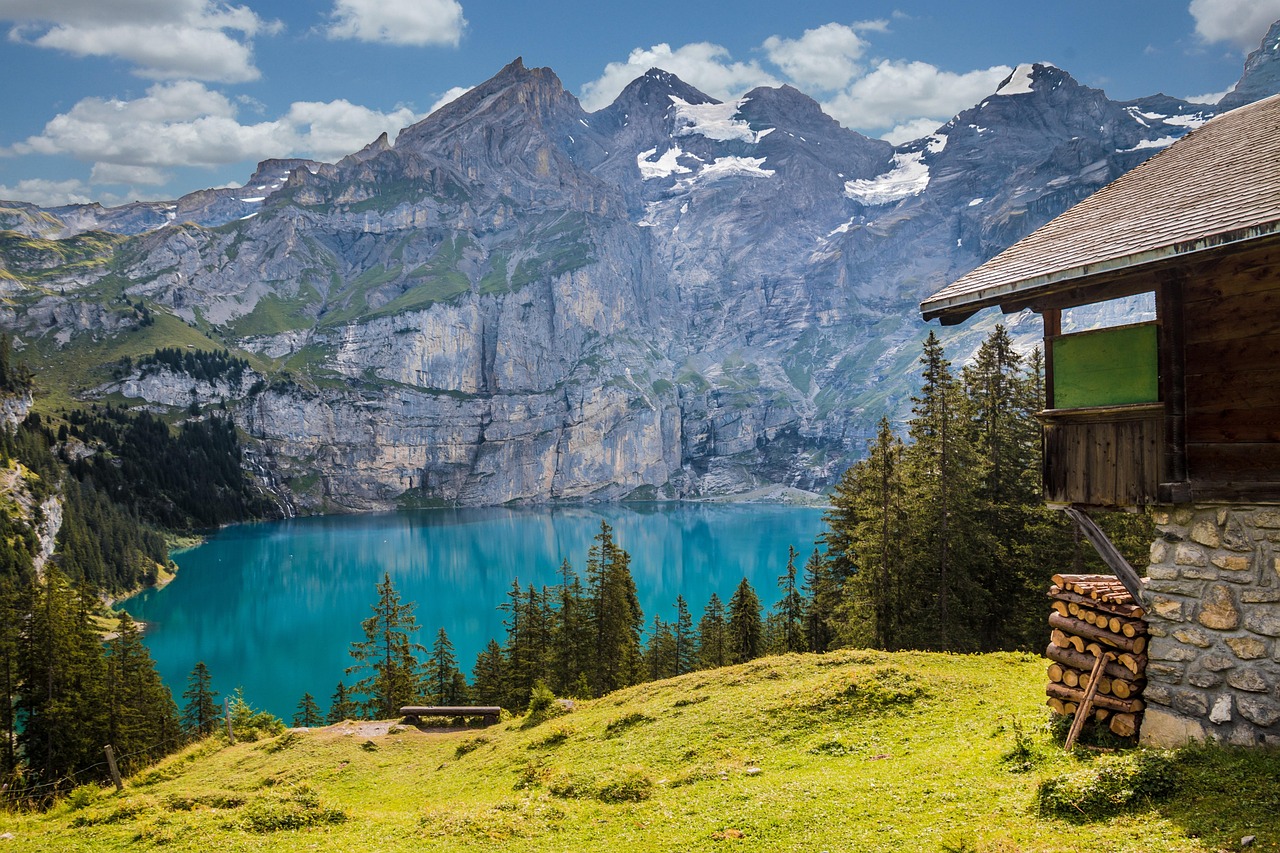
The full 211-mile John Muir Trail is a commitment, but for a multi-day adventure, focus on the most popular 5-7 day section from Tuolumne Meadows to Red’s Meadow. This stretch packs in the best of the High Sierra: high passes, alpine lakes, and granite basins. Permits are a major hurdle—you enter a quota lottery for the Donohue Pass exit. The altitude is no joke; you’ll be hiking above 9,000 feet for days, so spend at least one night at altitude to acclimatize before starting. Resupply at Tuolumne Meadows (where you can also get a hot meal) and again at Red’s Meadow. This trail is best for experienced hikers who are comfortable with exposure and lightning—afternoon thunderstorms are a daily reality in the Sierra. A water filter like the Sawyer Squeeze is non-negotiable for treating water from countless streams. Altitude sickness medication (Diamox) can be a lifesaver, and synthetic clothing (not cotton) is essential to manage sweat and sudden temperature drops.

4. The Wonderland Trail: Circumnavigating Mount Rainier
The Wonderland Trail is a 93-mile loop around the base of Mount Rainier, and it’s a brute. With 22,000 feet of elevation gain, this is not a leisurely stroll. The payoff is constant, jaw-dropping views of the mountain itself. Permits are competitive; you can enter the lottery or try for walk-up permits (a good backup plan if you’re flexible). The terrain varies from lush old-growth forests to exposed alpine slopes that may require microspikes—even in August, you’ll cross snowfields. Solid fitness is mandatory; plan for 7-10 days of hiking with significant elevation changes daily. Compared to the Timberline Trail around Mount Hood (which is shorter and less demanding), the Wonderland is a step up in both difficulty and spectacle. A pair of sturdy hiking boots with solid ankle support is essential to protect your feet on the steep, rocky descents. Microspikes are a worthwhile investment for early-season travel, and a bear bag (or a bear canister) is required for food storage.
5. The Zion Narrows: A Top-Down Through the Virgin River
This is not a trail in the traditional sense—it’s a 16-mile hike through the Virgin River, surrounded by thousand-foot sandstone walls. The top-down route starts at Chamberlain’s Ranch (shuttle required) and ends at the Temple of Sinawava. Permits are required and are issued via a lottery system. The season is narrow: late spring (after snowmelt) and early fall (before winter flows) offer the best water levels. Your gear list will be specific: a canyoneering stick for stability, neoprene socks to keep your feet warm in the cold water, and a waterproof dry bag for your gear. This is a unique experience—there’s nothing like it in the lower 48. Monitor river flow data from the park service; anything above 60 cubic feet per second is dangerous for beginners. The best time to go is May or October when crowds are thinner. A waterproof camera (even a decent action camera) is worth its weight in gold here.
Essential Gear for Multi-Day Hikes: What You Actually Need
Don’t bring the whole gear store. Focus on weight savings and problem-solving. Here’s what matters:
- Shelter: A lightweight, single-wall tent or a tarp system. The MSR Hubba Hubba is a reliable choice for its balance of weight and space.
- Sleep System: A 20°F-rated down sleeping bag (like the Therm-a-Rest Questar) and an insulated sleeping pad (R-value of 4+ for alpine trips).
- Cooking: A Jetboil Stash or similar integrated stove system—it’s fast, efficient, and saves fuel weight.
- Hydration: A Sawyer Squeeze or Katadyn BeFree filter. Skip the heavy pump filters.
- Safety: A satellite communicator (like the Garmin inReach Mini 2) for emergencies and navigation. It’s not optional for remote trails.
Each of these solves a real problem: the shelter keeps you dry, the sleep system ensures you recover, the stove makes cooking quick, and the filter lets you drink safely. Don’t skimp on the safety gear.

The Biggest Mistakes Beginners Make on Multi-Day Hikes
Here’s where most trips go wrong:
- Overpacking: Your pack weight should be under 20% of your body weight. That means a 30-pound target for a 150-pound person. Leave the extra clothes at home.
- Poor Calorie Planning: You need 3,500-4,500 calories per day. Skimping on food leads to bonking. Pack calorie-dense options like nuts, bars, and dehydrated meals.
- Ignoring Blisters: Even a small hotspot weakens you over days. Change socks mid-day, use foot powder, and carry leukotape.
- Not Testing Gear: I’ve seen hikers discover a leaky tent or a stove that won’t light on day one. Test everything on a local overnight before the real trip.
- Skipping Water Filtration: Giardia is real. Boiling water works but is slow. A cheap filter is faster and safer.
I once watched a hiker carry a full cast-iron skillet for a 5-day trip. Don’t be that person. Learn from others’ mistakes so you can focus on the view.
Multi-Day Hike Permits: What You Must Know Before You Go
Permits are often the biggest logistical bottleneck. Most popular trails operate on a lottery system (think John Muir Trail or Teton Crest), while others are first-come, first-served (like some sections of the Appalachian Trail). Key details:
- Quota months (usually June-September) require a permit on trails like the Wonderland or JMT.
- Lotteries open months in advance (e.g., JMT in November, Teton Crest in January). Mark your calendar.
- Cancellations open up spots. Check Recreation.gov frequently.
- Walk-up permits are viable for less popular trails or if you’re flexible on dates.
The easiest permits to get are on trails like the Lost Coast (no quota) or sections of the AT. The hardest are the JMT and Wonderland. Avoid scams—only use official .gov websites. A travel organizer like a simple e-binder or app can help you track deadlines.
How to Prepare Physically for a Multi-Day Backpacking Trip
A 2-month plan works well. Focus on:
- Incline walking on a treadmill or a local hill: 30 minutes, 3 times a week.
- Stair climbing: 45 minutes on a StairMaster or stadium stairs.
- Weighted carries: Rucksack carries with 20-30 lbs for 5 miles twice a week.
- Core stability: Planks and step-ups to protect your back.
Your goal: Be able to hike 8 miles with 25 lbs in under 4 hours. If you’re heading to altitude, add a day of acclimatization to your itinerary. A gear shakedown weekend—a local overnight with your full pack—is the best prep.

Alternatives to the Most Popular Trails: Less Crowded Options
If you want solitude without sacrificing scenery, consider these alternatives:
| Popular Trail | Underrated Alternative | Why It’s Better |
|---|---|---|
| West Coast Trail | Lost Coast Trail (California) | No quota, flat but tide-dependent, wild coastline. |
| Tahoe Rim Trail | Desolation Wilderness (California) | Less permit traffic, granite beauty, and more solitude. |
| John Muir Trail | High Route (Sierra Nevada) | Fewer hikers, more technical, true wilderness. |
| Appalachian Trail (crowded sections) | Long Trail (Vermont) | Classic New England hiking with half the traffic. |
| Wonderland Trail | Timberline Trail (Oregon) | Shorter (41 miles), less elevation, still stunning views of Mount Hood. |
Each alternative offers a similar experience—alpine scenery, remote feel—with less permit competition. Invest in a local map or guidebook for these lesser-known areas.
Final Thoughts: Get Started on Your Best Multi-Day Hike Yet
The best multi-day hike is the one that matches your fitness, your schedule, and your budget. Start with a trail from this list that feels right—maybe a section of the Appalachian Trail for a classic, or the Zion Narrows for something completely different. Invest in good gear that solves real problems, respect the permit process, and prepare your body. Every mile is earned, but the payoff is a rhythm of walking, sleeping, and seeing that’s hard to beat. Ready to plan? Check out these top-rated hiking gear recommendations or browse guided tours that handle the logistics for you. Your trail is waiting.