Nepal Travel Guide: Trekking, Temples, and Culture for First-Time Visitors
Introduction
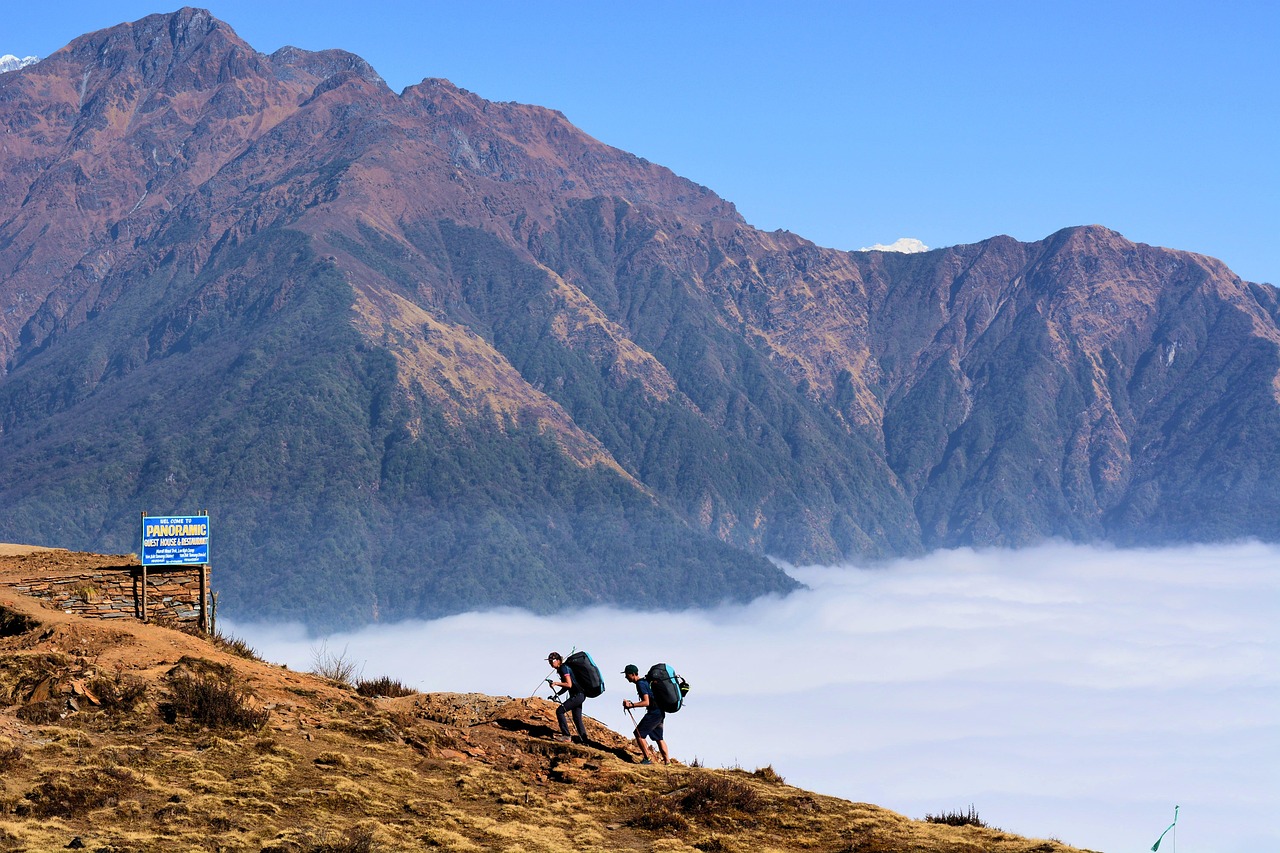
If you are planning a first trip to Nepal, balancing adventure, culture, and practical logistics can feel overwhelming. This Nepal travel guide covers exactly what you need to know—trekking in the Himalayas, visiting ancient temples, and immersing yourself in local traditions. I have led multiple treks through the Khumbu and Annapurna regions and spent enough time in Kathmandu’s alleys to know what works. This guide is for first-time visitors who want actionable advice, not vague inspiration. You will find seasonal breakdowns, packing lists, cultural rules, and real budget numbers. No fluff—just the kind of information that makes your trip safer, smoother, and more rewarding.

When to Go: Best Seasons for Trekking and Temple Visits
Nepal has two distinct trekking windows: spring (March to May) and autumn (September to November). Both offer stable weather, clear skies, and moderate temperatures at lower elevations. Spring brings blooming rhododendrons and warmer days, but also more dust and occasional afternoon clouds. Autumn offers the most reliable visibility for mountain views, especially in October and November. To avoid crowds, consider late September or early November—shoulder weeks that still have good weather but fewer trekkers on the trail.
Monsoon season (June to August) brings heavy rain, leeches on trails, and cloudy skies that block mountain views. It is not ideal for trekking unless you are on a rain-shadow route like Upper Mustang. Winter (December to February) can work for lower-altitude treks like Ghorepani Poon Hill, but higher passes like Thorong La or Renjo La become dangerous with snow. For treks above 3,000 meters, altitude sickness medication is a useful precaution to discuss with your doctor.
For temple visits, consider timing your trip around major festivals. Dashain (September/October) and Tihar (October/November) are Nepal’s biggest celebrations. Temples are decorated, locals are in a festive mood, and you get a deeper cultural experience. The tradeoff is that some shops close and domestic transport can be crowded.
Getting There and Getting Around: Logistics That Work
Most international flights land at Tribhuvan International Airport in Kathmandu. From there, you have three main options: domestic flights, buses, and private vehicles.
Domestic flights to Lukla (for Everest treks) or Pokhara (for Annapurna treks) are essential if you are on a tight schedule. Book these flights as early as possible—ideally a month in advance for peak seasons. Delays are common due to weather, especially in the mornings, so build a buffer day into your itinerary. If you are flying to Lukla, pack light because baggage weight limits are strict (usually 15 kg checked, 5 kg carry-on).
Overland options include tourist buses from Kathmandu to Pokhara (6-7 hours) or to Chitwan. These are affordable but bumpy. For a more comfortable ride, book a tourist bus with reclining seats and air conditioning. Avoid local buses unless you are on a very tight budget—they are crowded and slow.
A good travel insurance policy is non-negotiable for trekking. Make sure it covers helicopter evacuation up to at least 5,000 meters. Packing cubes are a simple way to keep gear organized in your duffel bag.
Must-Visit Temples and Cultural Sites in Kathmandu Valley
The Kathmandu Valley is home to seven UNESCO World Heritage Sites. If you have limited time, prioritize these five:
- Pashupatinath – The most sacred Hindu temple complex along the Bagmati River. Non-Hindus cannot enter the main temple, but you can walk the grounds and watch cremation ceremonies from the opposite bank. Dress modestly and avoid photography near the ghats.
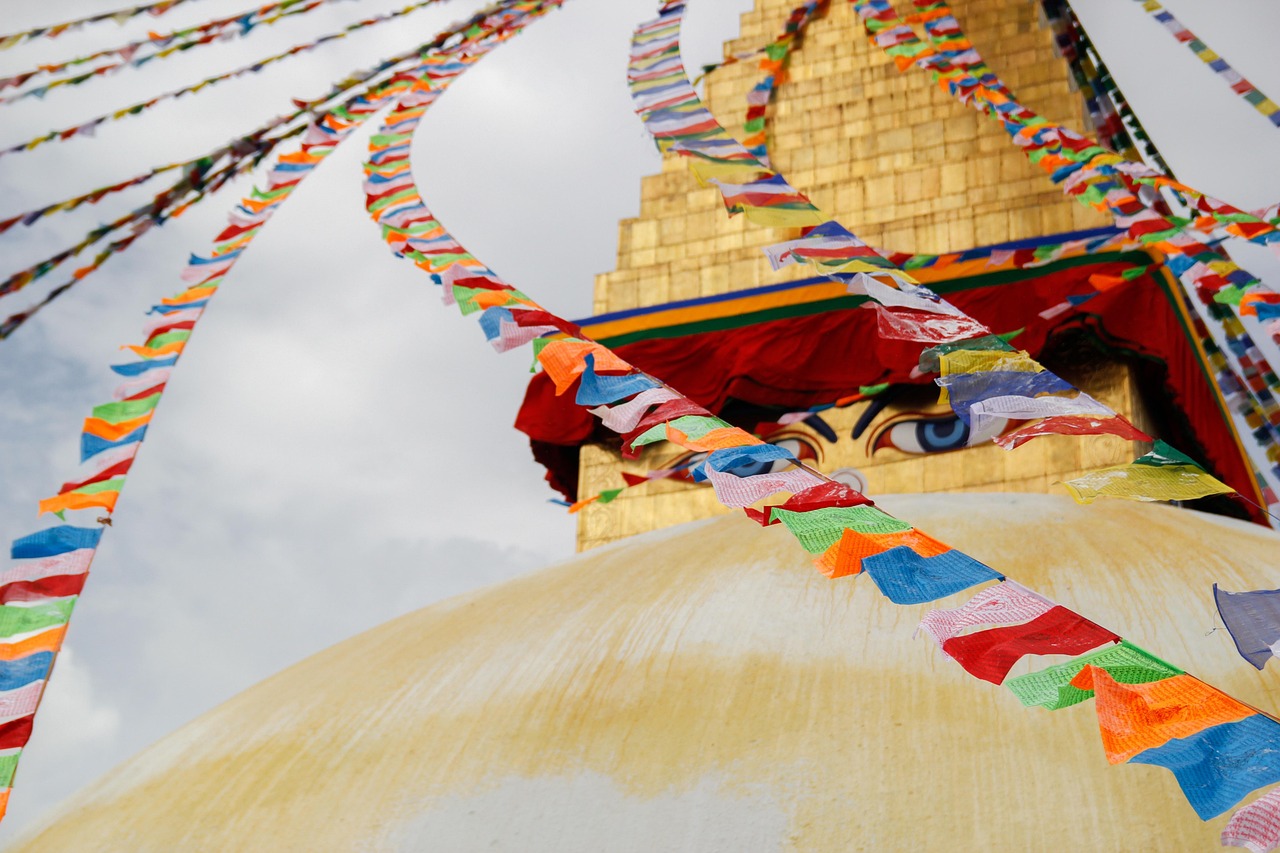
- Boudhanath – A massive Tibetan Buddhist stupa surrounded by monasteries and shops. The best time to visit is early morning when the monks are doing puja and the crowds are thin.
- Swayambhunath (Monkey Temple) – A hilltop stupa with panoramic views of the valley. The 365 steps are a workout, but the reward is worth it. Go at sunset for the light.
- Patan Durbar Square – A dense collection of temples, palaces, and courtyards. It is more compact than Kathmandu Durbar Square, so you can cover it in a couple of hours. Entry fee is around 1,000 NPR.
- Bhaktapur Durbar Square – The most well-preserved of the three Durbar Squares. The brick-paved streets and car-free zones make it feel like a living museum. Budget at least half a day here.
Entry fees range from 400 to 1,500 NPR per site. A combined ticket for Patan and Bhaktapur saves you a bit. If you want a deeper experience without fighting crowds, consider a skip-the-line guided tour that covers the key sites in a single day.

Trekking in Nepal: Choosing the Right Route
Three treks dominate the first-timer conversation: Everest Base Camp (EBC), Annapurna Circuit, and Ghorepani Poon Hill. Here is how they compare.
Everest Base Camp is the most iconic. It takes 12-14 days, reaches 5,364 meters, and demands good fitness. The scenery is dramatic—glaciers, high passes, and close-up views of Everest and Lhotse. The tradeoff is crowds on the main trail and higher costs for flights to Lukla. Best for: experienced hikers who want the classic Himalayan experience.
Annapurna Circuit is less crowded and more varied. It crosses the Thorong La Pass (5,416 meters) and passes through diverse landscapes—rice terraces, pine forests, and arid high-altitude deserts. The trek takes 14-18 days. Best for: hikers who want cultural immersion in remote villages like Manang and Jomsom.
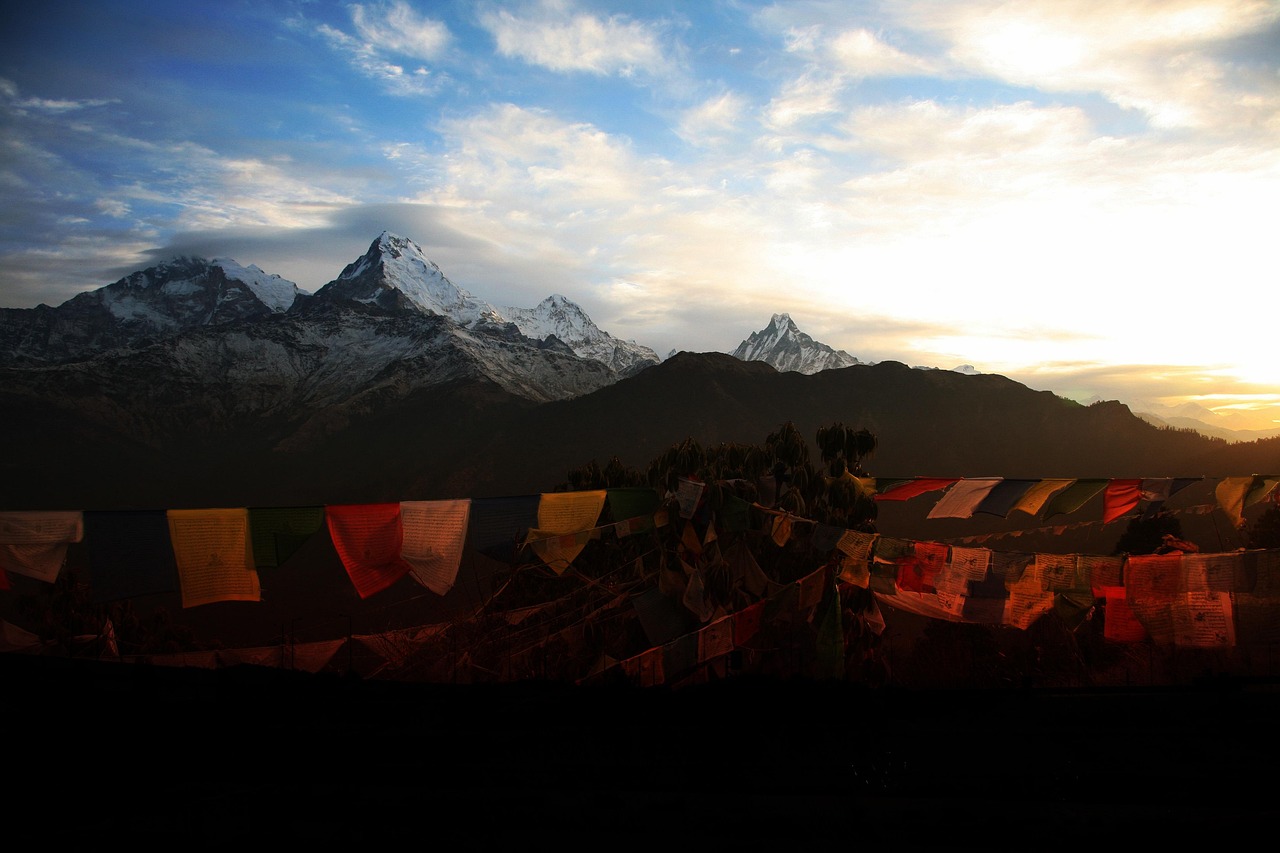
Ghorepani Poon Hill is a short 4-5 day trek perfect for beginners or those short on time. The highlight is the sunrise view over Annapurna South and Machhapuchhre. The trail has excellent tea house infrastructure and low altitude (max 3,210 meters). Best for: photographers and families.
For all treks, good gear matters. I recommend trekking poles for steep descents, a down jacket for cold mornings, and altitude sickness medication (acetazolamide) for any trek above 3,000 meters. You can buy decent gear in Thamel, but quality is inconsistent.
Packing List: What You Actually Need (and What to Leave Behind)
Here is a straightforward packing list organized by category:
- Footwear: Sturdy hiking boots (waterproof), trail runners for town walks, and camp sandals or flip-flops for tea houses.
- Clothing layers: Base layers (merino wool or synthetic), fleece or puffy jacket, down jacket for high altitudes, waterproof shell jacket and pants, and a couple of trekking shirts and pants.
- Gear: Headlamp with extra batteries, sleeping bag rated to -10°C, trekking poles, camera, and a power bank. Water purification tablets or a reusable filter bottle are essential.
- Toiletries: Biodegradable soap, wet wipes, toilet paper, hand sanitizer, lip balm with SPF, and sunscreen.
- Documents: Passport with copies, visa photo, insurance policy, and trekking permits.
Things you can buy cheaply in Kathmandu: sleeping bags, down jackets, trekking poles, and hiking boots (though fit is critical). Leave behind: heavy books, jeans (they take forever to dry), and anything made of cotton for high altitude.
Cultural Etiquette: Do’s and Don’ts at Temples and in Villages
Nepalis are generally forgiving of foreign mistakes, but knowing the rules shows respect.
- Do remove your shoes before entering temples and people’s homes. Some temples also ask you to remove your belt or leather items.
- Do use your right hand for offering money or receiving food. The left hand is considered unclean.
- Do greet with “namaste” (pronounced nah-mah-stay) with palms pressed together. It is the standard greeting.
- Don’t touch anyone’s head, including children. The head is considered sacred.
- Don’t point the soles of your feet at statues or people. Sit cross-legged or tuck your feet under.
- Don’t take photos of monks or locals without asking first. A smile and a nod usually get permission.
- Don’t eat with your left hand or offer food that has been touched by your mouth.
In remote villages, avoid public displays of affection, dress modestly (cover shoulders and knees), and always ask before entering a home. These small gestures go a long way in building goodwill.
Where to Stay: Accommodation Options from Tea Houses to City Hotels
On treks, you will stay in tea houses—basic lodges with twin beds, shared bathrooms, and a common dining room with a wood stove. Prices range from 300 to 800 NPR per night in the mountains. Meals cost extra. Tea houses are basic but clean. Bring your own sleeping bag liner and earplugs.
In Kathmandu, budget hotels start at around $10 per night for a private room with a fan. Mid-range options like Hotel Shanker or Yak & Yeti cost $50-80 per night and offer air conditioning, hot showers, and good restaurants. In Pokhara, guesthouses along Lakeside are popular. Prices are similar to Kathmandu.
During peak seasons (October-November and March-April), book treks ahead through a reputable agency for tea house reservations. In cities, booking a hotel with free cancellation is smart.
Nepali Food: What to Eat and Where to Find It
The staple dish is dal bhat—rice with lentil soup, vegetable curry, and pickles. It is filling, nutritious, and available everywhere on treks. Dal bhat is your best friend on the trail because you can get unlimited refills.
Other dishes to try: momos (dumplings), sel roti (rice flour donuts), thukpa (noodle soup), and chow mein. In cities, restaurants like Bhojan Griha in Kathmandu serve authentic Newari cuisine. For a quick meal, Thamel is full of rooftop restaurants with decent menus.
Tap water in Nepal is not safe to drink. Stick to bottled water or, better yet, carry a reusable bottle with a built-in filter (like a Grayl or Lifestraw). Avoid ice in drinks and raw vegetables unless you know they have been washed in purified water. Most trekking lodges boil water—ask for it.
Common Mistakes First-Time Visitors Make
I have seen these mistakes repeatedly:
- Overpacking. You only need a 40-50 liter backpack plus a daypack. Pack layers, not multiple outfits. Many first-timers bring too many clothes and struggle with weight on the trail.
- Underestimating altitude. Altitude sickness can affect anyone regardless of fitness. Ascend slowly, stay hydrated, and know the symptoms (headache, nausea, dizziness). Descend immediately if symptoms worsen.
- Skipping travel insurance. Helicopter evacuation costs thousands of dollars. No one plans to get injured, but it happens. Get insurance that covers high-altitude trekking.
- Ignoring cultural rules. Wearing shoes in a temple or pointing your feet at someone are easy mistakes to avoid if you know them beforehand.
- Not booking domestic flights early. Flights to Lukla sell out months in advance during peak seasons. Book at least a month ahead or risk missing your itinerary.
Take these seriously, and your trip will be smoother.
Sample Itineraries: 10 Days, 14 Days, and 21 Days
10-Day Trip: Highlights Only
- Day 1: Arrive in Kathmandu, settle into Thamel
- Day 2: Explore Pashupatinath, Boudhanath, and Swayambhunath
- Day 3: Fly to Pokhara, sunset at Sarangkot
- Day 4: Short hike to Poon Hill (or easy Annapurna view)
- Day 5: Drive back to Kathmandu via Chitwan (or fly)
- Day 6: Visit Bhaktapur and Patan Durbar Squares
- Day 7: Free day for shopping or a cooking class
- Day 8-10: Return and depart
14-Day Trip: Classic Trek
- Day 1-2: Kathmandu temples and culture
- Day 3: Fly to Lukla, start EBC trek
- Day 4-12: Trek to EBC and back (10 days)
- Day 13: Fly from Lukla to Kathmandu, rest
- Day 14: Depart
21-Day Trip: Deep Immersion
- Day 1-3: Kathmandu Valley exploration
- Day 4-6: Chitwan National Park safari
- Day 7-10: Annapurna Circuit trek (shortened version)
- Day 11-12: Pokhara rest and paragliding
- Day 13-17: Everest Base Camp trek
- Day 18-20: Bhaktapur and Nagarkot relaxation
- Day 21: Depart
For any trek, consider booking a guided package through a trusted operator. It simplifies permits, tea house bookings, and emergency support.
Budget Breakdown: What a Trip to Nepal Really Costs
Here are daily cost estimates for a 14-day trip (excluding international flights):
- Budget traveler ($30-40/day): Dorm beds or basic guesthouses, local buses, street food, limited tea house stays. Total for 14 days: $420-560.
- Mid-range traveler ($60-80/day): Private hotel rooms in Kathmandu and Pokhara, tourist buses, decent restaurants, plus a basic trek package. Total for 14 days: $840-1,120.
- Comfort traveler ($100-150/day): Four-star hotels, guided treks with a porter and guide, domestic flights, and good restaurants. Total for 14 days: $1,400-2,100.
Permits for treks cost $20-50 depending on the route. A reliable guide costs $25-35 per day, a porter $15-20 per day. Gear rental in Thamel is around $5-10 per item per day. Add $50-100 for travel insurance and $10-20 for a local SIM card.

Final Tips for a Safe and Rewarding Trip
Buy a local SIM card from Ncell or Nepal Telecom at the airport—it costs a few dollars and gives you data for maps and communication. Carry small denominations of Nepali rupees for tea house payments, because change is often scarce. Respect the environment: pack out your trash, avoid single-use plastics, and stay on designated trails. Finally, take time to acclimatize. Even if you feel great at 3,000 meters, slow down. Your body will thank you.
For a hassle-free trip, book your flights and key accommodations early. Start planning now, and you will be on your way to one of the most rewarding adventures in the world.