Best Volcano Boarding Destinations for Thrill Seekers: Top Volcano Boarding Spots Worldwide
What Actually Is Volcano Boarding?
Volcano boarding is pretty straightforward: you strap a plywood board to your feet and ride down a volcanic slope. Speeds can hit 50 miles per hour. The surface is volcanic ash and cinders, not snow. That changes a lot. The board rides on slick, gritty material that gives more friction than snow but also makes for a rougher ride. You slide, bounce, and steer by shifting your weight. It takes a toll physically. Your legs work constantly to absorb uneven ground. Braking means digging your boots into the ash, which takes practice and thigh strength. Goggles are mandatory—ash gets everywhere. A dust mask helps too. Compared to sandboarding, the slopes are steeper and you go faster. Compared to snowboarding, the surface is unpredictable, and carving doesn’t work the same way. It’s its own thing. If you’re looking into volcano boarding spots worldwide, it helps to know what you’re getting into before you book. This guide covers the best locations, what to expect logistically, and how to prepare so your first run isn’t your last.

How We Picked These Spots
These recommendations come from direct experience and feedback from other travelers. I’ve spent time boarding on multiple volcanoes and talked with guides, lodge owners, and other riders in person. The criteria are straightforward: quality of the ash slope, accessibility (how easy it is to get there and book a tour), safety record, and overall value. I ranked them not by hype but by how well they work for real thrill seekers. Every spot listed here has a proven track record. Some are more commercialized; others are remote and raw. I included a mix so you can choose based on your budget, experience level, and appetite for risk. No fluff. Just practical picks.
Cerro Negro, Nicaragua: The Original and Most Popular
Cerro Negro is where volcano boarding became a thing. It’s a young volcano near the colonial city of León, and its steep, uniform slope of black cinders makes it ideal for riding. Most tours depart from León. The classic operator is Bigfoot Hostel, which originally pioneered the activity. Real Tours is another solid option. Costs range from $25 to $50 per person, including gear, transportation, and a guide. The dry season, November through May, offers the best conditions. Rain makes the ash heavier and slower.
Difficulty: Moderate. The slope is steep enough to generate real speed, and the ash can be loose. Beginners manage fine with basic instruction, but pay attention to braking technique. Go early in the morning. Afternoon winds pick up, creating dust clouds that reduce visibility and make the ride more chaotic. A common mistake is wearing shorts or a tank top. Ash burns are real. You’ll slide on exposed skin, and the result is a gritty rash that takes days to heal. Wear long sleeves, long pants, and sturdy boots. hiking boots or work boots work well. Sneakers fill with ash and offer no ankle support.
Travelers who need reliable eye protection should pack their own dustproof goggles, since rental goggles from less reputable operators can be scratched or loose. A pair of leather work gloves and N95 dust masks are also small investments that make a big difference in comfort and safety.
Most tour operators provide a board, a suit, and goggles. But the goggles are often scratched or loose. Bring your own—it’s the difference between seeing where you’re going and eating ash for two minutes straight. The board itself is a simple piece of wood with a rope handle. You sit or lie down to start, then stand up once you’re moving. Leaning back and digging your heels into the ash slows you down. Sounds simple, but at 40 miles per hour, your instincts will tell you to lean forward. Don’t. That’s how you tumble.
Cerro Negro is the safest and most accessible entry point for anyone serious about volcano boarding. It’s well-organized, inexpensive, and the guides genuinely know the terrain. If you can only do one, start here.

Mount Yasur, Vanuatu: Active Volcano Thrills
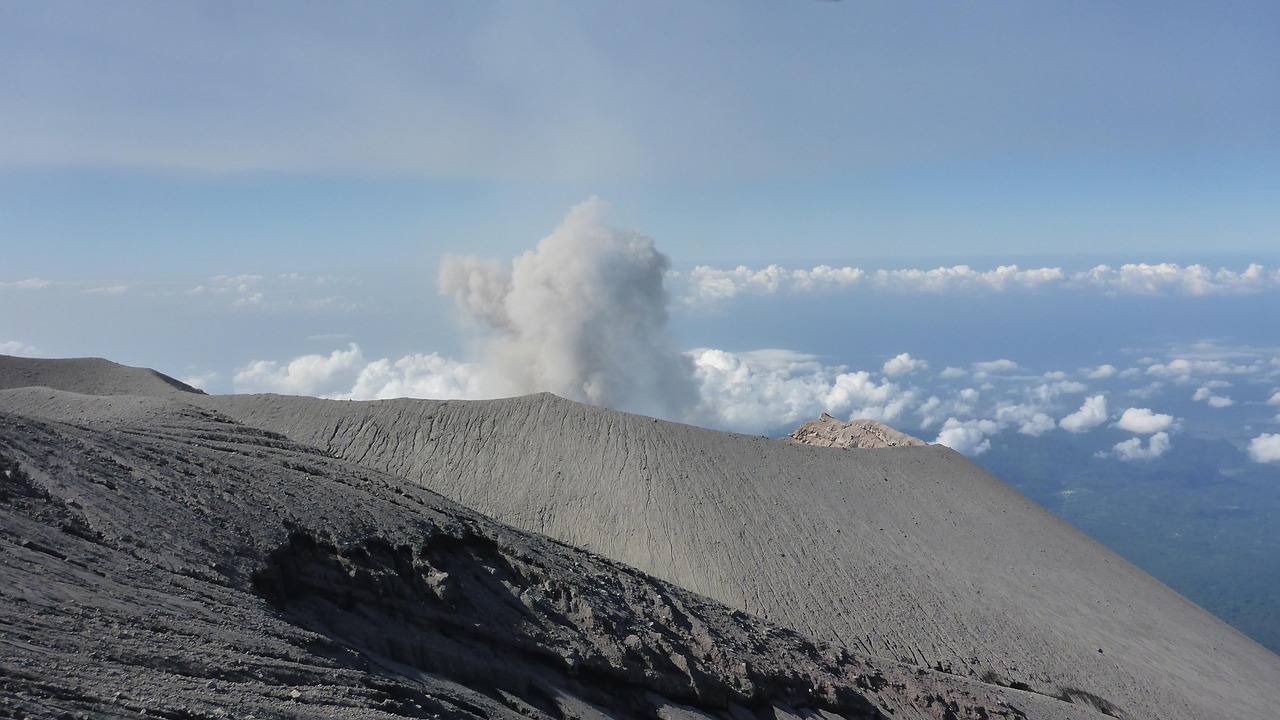
Mount Yasur is an active volcano on Tanna Island in Vanuatu. The difference here is surreal: you board while lava erupts in the background. At night, the glow from the crater lights up the sky. The slope is steep and unstable. The ash is loose, and the terrain changes with each eruption. This is not a spot for first-timers. You need some boarding experience and a high tolerance for risk.
Logistics: Fly into Port Vila, then catch a domestic flight to Tanna. Stay in a local bungalow or lodge near the volcano. Tours are mandatory. You cannot board independently—the volcano is monitored, and guides control access for safety. Costs run $100 to $150 per person for the boarding experience, often including a guided hike up the crater first. The best time to go is during the dry season, roughly May to October. Year-round boarding is possible, but rain makes the ash heavy and slippery.
Gear: You’ll need sturdy boots, long pants, and a long-sleeved shirt. The ash here is more abrasive than Cerro Negro. A bandana or dust mask is essential because the ash can be finer. Sunscreen is also critical—you’re exposed at altitude. Bring a headlamp if you board at dusk. It gets dark fast, and the terrain is uneven.
Mistake to avoid: Overconfidence. The slope at Yasur is genuinely steep and unpredictable. I watched a rider try to stand up too fast, lose control, and tumble halfway down. He was fine, but it rattled him. Take the guide’s instruction seriously. Speed builds fast. Braking requires commitment—digging your heels in hard. If you hesitate, you’ll just accelerate.
Booking recommendation: Use Viator or GetYourGuide to compare guided tour options. Book accommodation through Booking.com for flexibility. Check cancellation policies. Weather can change plans rapidly.
Mauna Kea, Hawaii: The High-Altitude Challenge
Mauna Kea on the Big Island of Hawaii offers a very different kind of volcano boarding experience. It’s not a commercial operation. There are no tour operators shuttling groups up the mountain. Instead, you drive yourself to the cinder cones on the lower slopes and ride with your own gear. This is for experienced, self-sufficient adventurers. The altitude is the main challenge. The summit sits at over 13,000 feet. Boarding happens on cinder cones around the 9,000- to 11,000-foot range. Altitude sickness is a real risk. Acclimatize for at least a day before attempting any physical activity. If you feel dizzy or nauseous, descend immediately.
Logistics: You need a 4WD vehicle to reach the trailhead. The road is unpaved and rough. A permit is required to drive above the visitor center, so check the Mauna Kea summit regulations before you go. Gear rental is available in Hilo for around $50 for a board and pads. You can also buy your own board (snowboard or sandboard) if you plan on multiple trips.
Cost: $0 for the location itself, plus rental fees and fuel. This is the cheapest option if you already live in Hawaii or are visiting for other reasons.
Season: Year-round. But expect cold temperatures at altitude. Even in summer, it can drop below freezing at the summit. Below the summit, it’s still chilly. Bring thermal layers, gloves, and a beanie. Sunscreen is non-negotiable—UV exposure is extreme at altitude. Hydration packs are essential; you’ll need to carry water. A small backpack works.
For high-altitude boarding, a thermal base layer and a hydration pack help manage the cold and the physical demands. Frequent travelers to sunny terrain also benefit from a high SPF sunscreen that can handle active conditions.
Mistake to avoid: Ignoring altitude warnings. I’ve seen people try to board after flying into Kona the same morning. It’s a bad idea. Give your body 24 to 48 hours to adjust. Also, don’t overestimate your braking ability on steep, loose cinders. The slope angle is deceptive. You might think you can slide slowly. You won’t.
Mauna Kea rewards preparation and self-reliance. It’s not for beginners. If you want a raw, uncommercialized experience with serious physical demands, this is it.
Volcano Boarding Spots Worldwide: A Quick Comparison
Here’s a breakdown of the top spots to help you decide quickly.
- Cerro Negro, Nicaragua. Difficulty: Moderate. Cost: $25–$50. Best for: First-timers and budget travelers. Tour operators handle everything. Excellent safety record.
- Mount Yasur, Vanuatu. Difficulty: Advanced. Cost: $100–$150. Best for: Thrill seekers who want active lava. Unforgettable backdrop. Requires guided tours.
- Mauna Kea, Hawaii. Difficulty: Expert. Cost: Free (plus gear rental ~$50). Best for: Experienced, self-guided adventurers. High altitude and remote. Not a commercial operation.
- Pico do Fogo, Cape Verde. Difficulty: Moderate to Hard. Cost: $70–$100. Best for: Remote explorers. Less crowded. Requires a guide and a long drive from the nearest town.
- Mount Rinjani, Indonesia. Difficulty: Hard. Cost: $100–$150 (trek + boarding). Best for: Trekkers who want a boarding experience after a multi-day hike. Very physical. Limited season.
Each location has tradeoffs. Cerro Negro is the easiest to book and the cheapest. Yasur offers the most dramatic setting. Mauna Kea demands self-sufficiency. Pico do Fogo is for those who want to get off the beaten track. Rinjani is for people who already plan on hiking an active volcano and want an extra thrill at the end.
Essential Gear for Volcano Boarding
You can’t do this sport safely or comfortably without the right gear. Here’s what you actually need, and why each item matters.
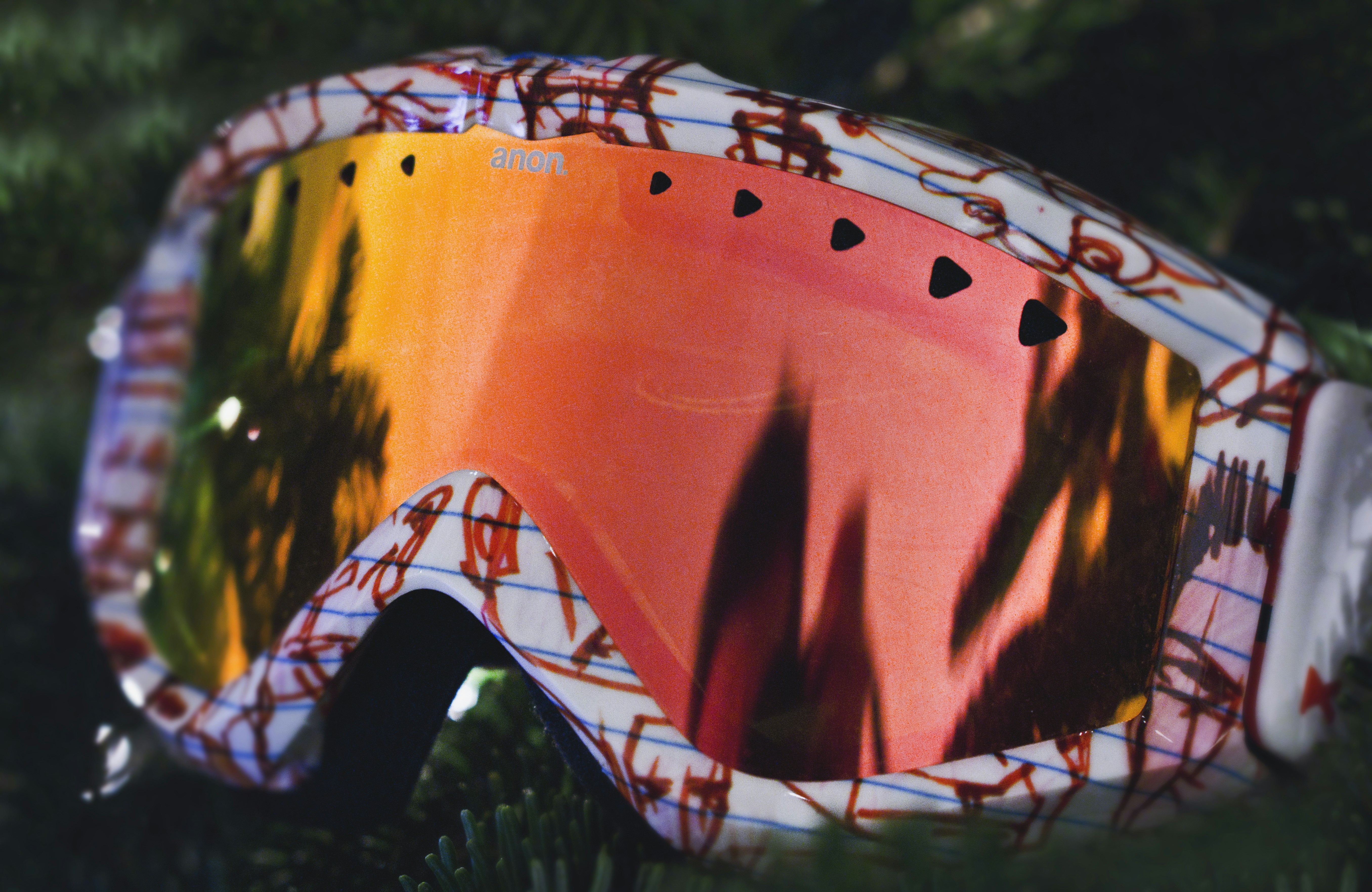
- Goggles. Dust-proof only. Ski goggles trap heat and fog. Look for models with foam around the edges that seal against your face. Ash particles are microscopic. They will irritate your eyes within seconds. Search: “dustproof goggles volcano” on Amazon.
- Dust mask or bandana. You will inhale ash. A dust mask (N95 or better) filters out most particles. A bandana soaked in water works in a pinch but is less effective. Search: “N95 dust mask” on Amazon.
- Long-sleeved shirt and pants. Ash is abrasive. You will slide on it. Exposed skin gets scratched raw. A thick cotton or synthetic shirt is fine. Denim jeans are okay but heavier cotton pants are better. Don’t wear shorts.
- Sturdy shoes. Hiking boots are ideal. Work boots with ankle support work too. Sneakers fill with ash and offer no protection when you dig your heels in to brake. Lace them tight.
- Sunscreen. High altitude and exposure mean you burn fast. SPF 50 minimum. Reapply after each run if you’re doing multiple. Search: “high SPF sunscreen volcano” on Amazon.
- Gloves. Your hands will take a beating if you fall. Leather or padded gloves save your palms. Search: “leather gloves volcano boarding” on Amazon.
- Backpack. A small daypack holds water, extra layers, and your phone. Wrap your phone in a plastic bag or ziplock. Ash is fine and gets into charging ports. A hydration pack is better because it keeps water accessible without stopping. Search: “hydration pack volcano board” on Amazon.
- GoPro or phone mount. You’ll want video. A chest mount or head strap works well. Test it before you go. The vibrations will shake loose a weak mount. Search: “chest mount GoPro volcano” on Amazon.
Buying your own goggles, mask, and gloves is worth it even if the tour provides gear. The quality varies wildly. You don’t want to find out your goggles fogged up after you’re already speeding down the slope.

Common Mistakes First-Timers Make (And How to Avoid Them)
1. Wearing shorts or open-toed shoes. Ash burns aren’t dramatic. They’re more like a heavy rug burn that turns into a gritty rash. Itches for days. Solution: long pants and closed shoes. Simple and proven.
2. Not checking weather and wind conditions. Wind turns a fun run into a misery of ash in your eyes, mouth, and ears. It also affects the board’s speed. Afternoon winds are common at Cerro Negro. Solution: board in the morning. Check local weather reports. Mount Yasur is especially prone to sudden wind shifts near the crater.
3. Renting low-quality gear. Free goggles are often scratched. The suit might have holes. The board might be warped. Solution: inspect the gear yourself. If the goggles look bad, use your own. If the board feels unbalanced, ask for another. Good tour operators maintain their equipment. Bad ones don’t. Pay a bit more for a reputable operator.
4. Underestimating speed and braking technique. Most people think they can control the board like a snowboard. You can’t. Steering is minimal. Braking is done by leaning back and dragging your heels. If you panic and lean forward, you accelerate. Solution: practice braking on a gentle slope first. Ask the guide to demonstrate. Do a slow run to get a feel for the terrain.
5. Not hydrating. Sun exposure and physical exertion at altitude dehydrate you fast. You can’t run on empty. Solution: bring a hydration pack. Drink water before, during, and after the run. Don’t rely on the tour operator to provide water. They often don’t.
Is Volcano Boarding Safe? Practical Risks and Realities
Volcano boarding carries real risks, but they’re manageable. The most common injuries are scrapes, bruises, and ash burns. More serious injuries—fractures, sprains—happen when riders fall at high speed or hit a rock. That’s rare on well-maintained slopes but possible if the terrain is unstable. Altitude sickness is the main risk at Mauna Kea. On active volcanoes like Mount Yasur, there’s the remote possibility of gas exposure or a sudden eruption. Guides monitor conditions. They will cancel runs if the risk is unacceptable. Listen to them.
You can lower your risk by choosing a reputable tour operator, using proper gear, and following your guide’s instructions. If you have pre-existing health conditions (asthma, heart problems, back issues), consult a doctor before booking. Travel insurance is a smart idea. World Nomads offers plans that cover adventure sports, including volcano boarding.
In short: the activity is not dangerous if you respect the environment and prepare properly. The biggest risks come from bad decisions—poor gear, ignoring guides, or pushing your limits without practice. Don’t do that.
How to Book Your Volcano Boarding Adventure
For guided trips, use Viator or GetYourGuide. These platforms aggregate tour operators, so you can compare prices, read reviews, and check availability. For Cerro Negro, Bigfoot Hostel tours are a reliable option. For Mount Yasur, look for operators with experience in volcanic terrain. Read recent reviews. If a tour operator has multiple complaints about worn gear or unsafe practices, move on. For Mauna Kea, you handle everything yourself. Check the Division of Forestry and Wildlife website for permit requirements. Rental gear can be found through outdoor shops in Hilo. For Pico do Fogo, book through a local agency in São Filipe. Ask about transportation. The roads are rough. Book accommodation through Booking.com for flexibility on cancellation policies. Always check the cancellation policy. Volcano conditions can change rapidly, and you don’t want to lose your money if an eruption or poor weather cancels your run. For self-guided spots, read the local regulations. Some require permits. Others restrict access entirely. Do your homework before you go.
Which Volcano Boarding Spot Is Best for You?
- First-timers: Cerro Negro, Nicaragua. Easy access, low cost, professional guides. The safest place to learn.
- Thrill seekers who want active lava: Mount Yasur, Vanuatu. The combination of boarding and erupting lava is unmatched. Not for beginners.
- Experienced adventurers seeking altitude challenge: Mauna Kea, Hawaii. Self-guided, high elevation, remote. Requires preparation and fitness.
- Remote explorers: Pico do Fogo, Cape Verde. Less commercial, fewer people. Good for those who want a genuine adventure with cultural immersion.
Each spot rewards a specific type of traveler. Be honest about your experience level and comfort with risk. If you’re uncertain, start with Cerro Negro. It’s popular for a reason.
Final Tips for an Unforgettable Run
Learn to brake on a gentle slope first. Dig your heels hard when you want to slow down. Board with a group—it’s safer and more fun. Hydrate before and after your run. Altitude and sun sap energy fast. Take video. A chest mount captures the best perspective. Write down the tour operator’s emergency contact. And don’t forget to wrap your phone in a bag. Ash ruins ports. With the right planning and the right mindset, volcano boarding is one of the most exhilarating things you can do on a mountain. Pick your spot, pack your gear, and commit to the run.