The Best Solo Female Hiking Tours & Guided Adventures: A Practical Guide
Introduction
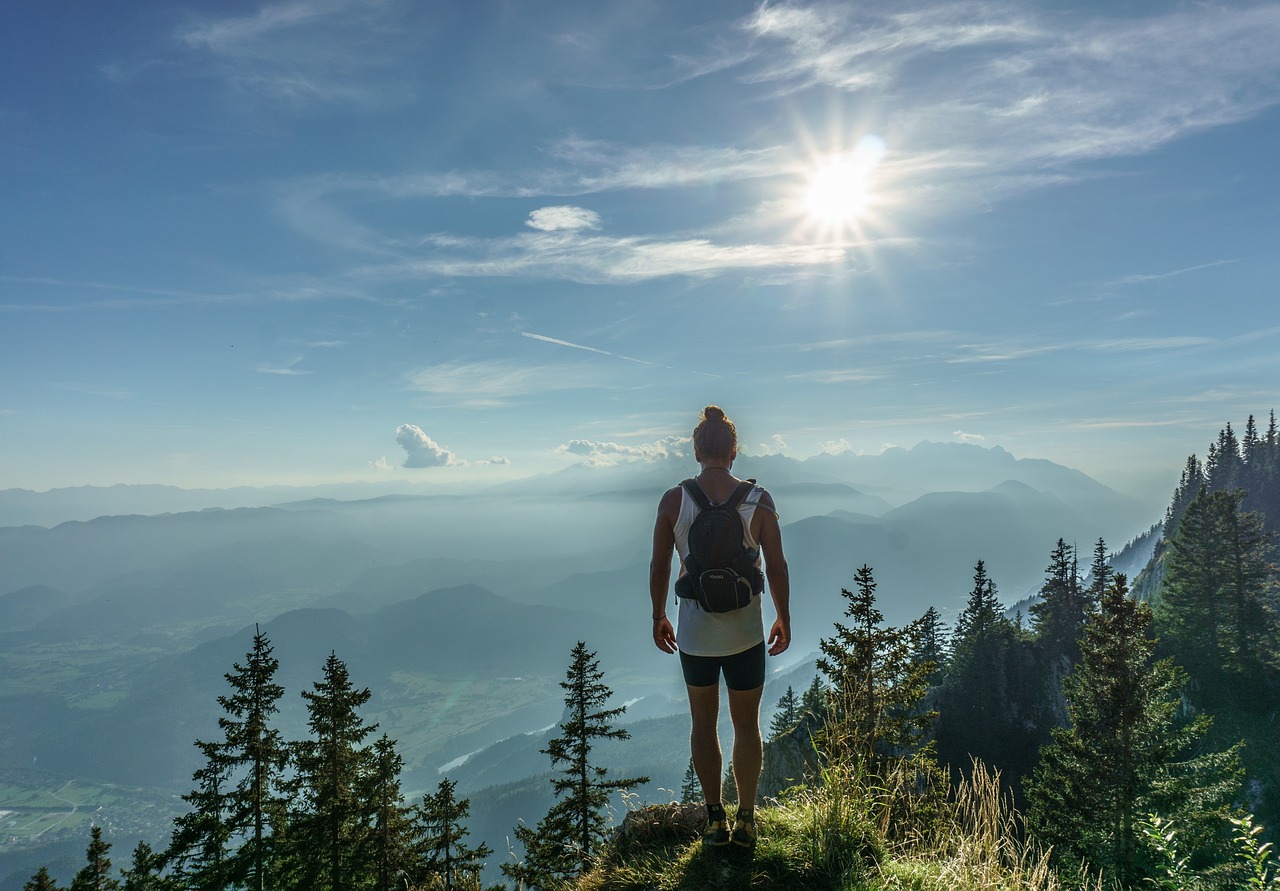
If you want to hike but prefer not to do it entirely alone, a guided group adventure is your smartest option. This guide covers the best solo female hiking tours and guided adventures—curated for women who want the independence of solo travel with the safety and logistics of a group structure. We focus on practical choices, real value, and what to expect, not hype. Whether you’re new to hiking or a seasoned trekker, this solo female hiking tours guide will help you pick the right experience.

Why Choose a Guided Solo Female Hiking Tour?
When you’re comparing options, the biggest question is usually: Should I go fully independent or book a guided tour? Independent hiking gives you maximum flexibility and lower cost. You set your own pace, choose your own route, and answer to no one. But it also means handling all logistics yourself—route planning, permits, accommodation, meals, and safety concerns. For a solo woman, that can feel overwhelming, especially in unfamiliar terrain or countries where you don’t speak the language.
A guided tour removes that friction. Your group leader handles permits, navigation, and overnight arrangements. You just show up and hike. The social aspect is also valuable. You’ll meet other women who share your interest, and that built-in community reduces the loneliness of solo travel. There’s also a real safety net: someone else is responsible for the itinerary and your well-being. That doesn’t mean you stop being careful, but it lowers the risk profile significantly.
The downside? Less spontaneity and a higher upfront cost. But for many solo women, the tradeoff is worth it—especially on a first trip or in a remote area.
What to Look for in a Reputable Solo Female Hiking Group
Not all tour operators are created equal. Here’s what to vet before you book:
- Group size limits. Smaller groups (8–12 people) mean more personal attention and less trail congestion. Avoid operators that pack 20+ hikers into one group. Leader-to-participant ratios should be at least 1:8, ideally better.
- Leader qualifications. Look for guides with wilderness first responder (WFR) or wilderness first aid (WFA) certifications. Also check their experience level in the specific region.
- Itinerary flexibility. Some tours are rigid. Others allow for weather changes or different pace options. Ask what happens if someone gets injured or the group wants to adjust.
- Cancellation and refund policies. Life happens. Know the cancellation window, whether you can transfer to another date, and if travel insurance is required.
- What’s included vs. excluded. Gear, meals, accommodation, permits, and transport vary widely. Read the fine print so you’re not surprised by extra costs.
- Women-only vs. co-ed. Women-only tours can feel safer and more supportive, especially for novice hikers. Co-ed groups offer wider social dynamics but can be less focused on female-specific needs. Both work; it’s about personal preference.
A quick online search for reviews on platforms like Trustpilot or Facebook groups will reveal real experiences. Don’t skip this step.
Top 5 Solo Female Hiking Tours for Beginners
These tours are ideal for your first solo guided hike. They’re designed for moderate fitness levels and include strong support structures.
- G Adventures – Inca Trail to Machu Picchu (Peru). Difficulty: moderate. Group size: 8–12. Price range: $1,500–$2,000. Unique advantage: known for excellent logistics and local guides. The trek is iconic but manageable for beginners. Travelers who need reliable wrist support might consider a pair of women’s trekking poles for this terrain.
- Intrepid Travel – Tour du Mont Blanc (France/Italy/Switzerland). Difficulty: moderate. Group size: 10–14. Price range: $2,500–$3,200. Unique advantage: luxury camping options and culturally immersive stays. A great intro to multi-day alpine hiking.
- REI Adventures – Best of the Dolomites (Italy). Difficulty: moderate. Group size: 12. Price range: $2,800–$3,500. Unique advantage: REI provides all gear except boots. Their guides are top-notch. Women-only departures available.
- Wild Women Expeditions – Coastal Hiking in Newfoundland (Canada). Difficulty: easy to moderate. Group size: 8. Price range: $2,000–$2,700. Unique advantage: women-only trips with a focus on beginner safety and local ecology.
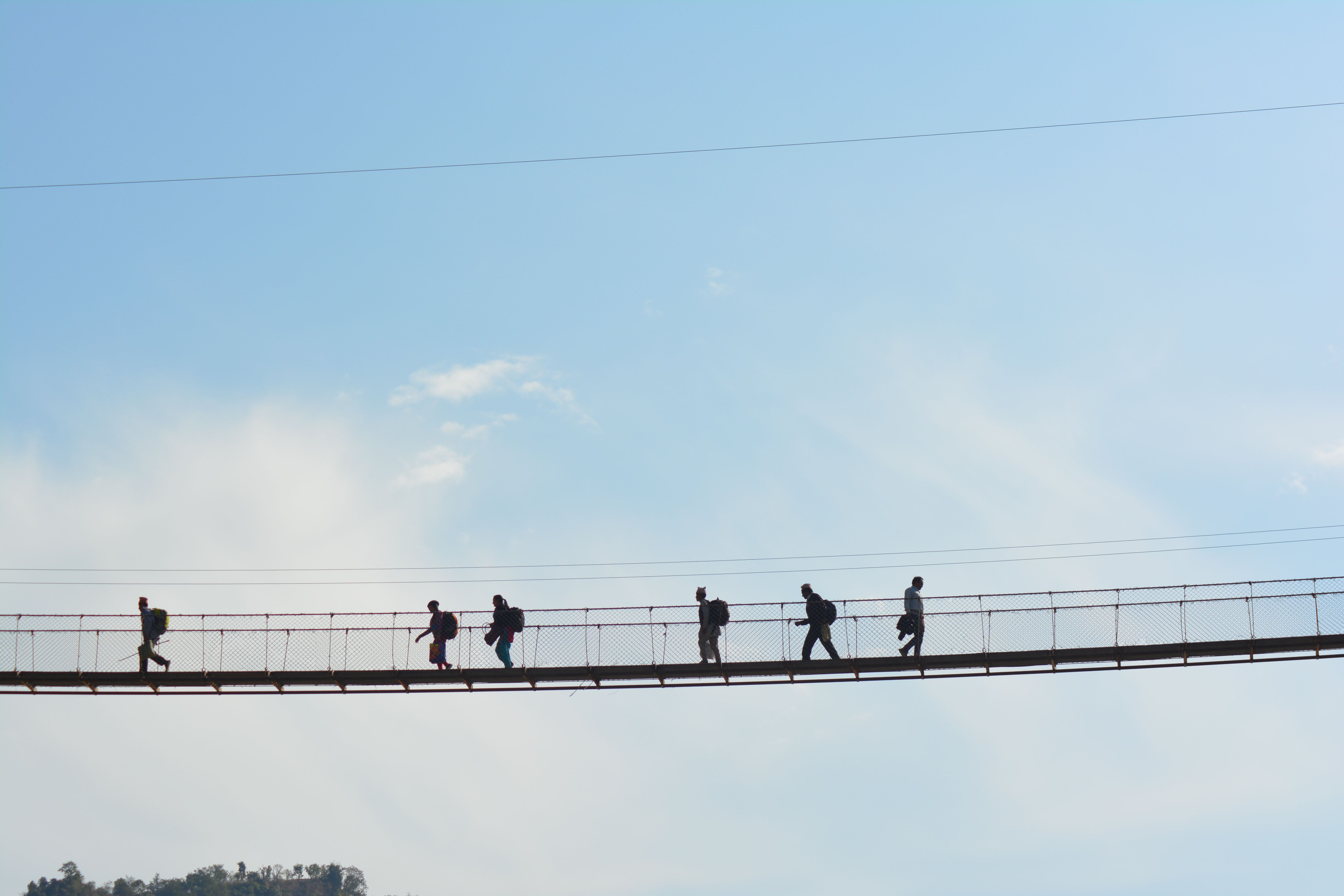
- World Expeditions – Annapurna Foothills Trek (Nepal). Difficulty: moderate. Group size: 6–12. Price range: $1,800–$2,500. Unique advantage: shorter itinerary (10 days) and strong cultural connections with local communities.
These operators have strong reputations and good cancellation policies. Always book with a credit card for extra protection.

The Best Guided Hiking Adventures for Experienced Solo Hikers
If you already hike solo but want a challenge, these tours take you to remote or technical terrain. Expect higher fitness demands and longer days.
- Mountain Madness – Kilimanjaro via the Lemosho Route (Tanzania). Difficulty: strenuous. Group size: 8–12. Price range: $4,000–$5,500. Unique advantage: high-altitude experience with guides who summit frequently. Private side trips for solo hikers.
- Exodus Travels – Everest Base Camp Trek (Nepal). Difficulty: strenuous. Group size: 10–16. Price range: $3,000–$4,000. Unique advantage: strong acclimatization schedule and optional helicopter return. A simple way to stay connected in remote areas is to bring a satellite messenger for hiking.
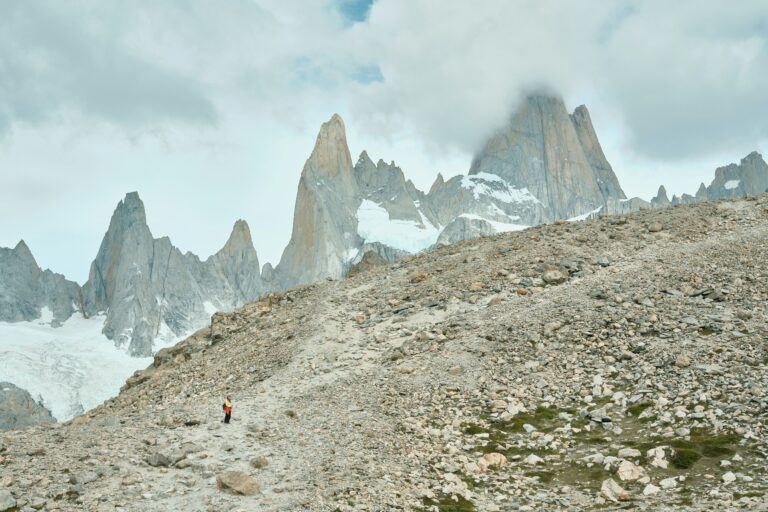
- KE Adventure Travel – Patagonia Trek (Chile/Argentina). Difficulty: strenuous. Group size: 8–12. Price range: $3,500–$5,000. Unique advantage: technical terrain (ice axes, crampons) with experienced glacier guides.
- Bespoke Traveler – Haute Route (France/Switzerland). Difficulty: strenuous. Group size: 6–10. Price range: $5,000–$7,000. Unique advantage: self-guided option available, but guided version includes luxury chalets and gourmet food.
- Adventure Consultants – Island Peak Expedition (Nepal). Difficulty: very strenuous. Group size: 4–8. Price range: $4,500–$6,000. Unique advantage: real mountaineering experience with peaks above 6,000 meters.
For these trips, good fitness preparation is non-negotiable. Hill training, stair climbs, and altitude acclimatization matter more than yoga.
Solo Female Hiking Tours by Region: Where to Go
Choosing a destination narrows your options. Here’s a regional breakdown:
- Europe: The Alps (France, Switzerland, Italy) and the Dolomites. Moderate to strenuous difficulty. Best season: June–September. Operators like Intrepid Travel and REI Adventures dominate here.
- South America: Peru (Inca Trail, Ausangate), Patagonia (Torres del Paine, Fitz Roy). Moderate to strenuous. Best season: April–October. G Adventures and KE Adventure Travel are strong.
- Asia: Nepal (Annapurna, Everest, Langtang), Bhutan, Kyrgyzstan. Strenuous to very strenuous. Best season: March–May and October–November. World Expeditions and Mountain Madness are top picks.
- North America: Canadian Rockies, Appalachian Trail, Pacific Crest Trail sections. Easy to strenuous. Best season: June–September. Wild Women Expeditions and REI Adventures are reliable.
Consider also less obvious destinations like Morocco’s Atlas Mountains (easy to moderate, best spring/fall) or New Zealand’s Routeburn Track (moderate, best November–April). They offer strong guided options and fewer crowds.
Packing Checklist: What to Bring on a Guided Hiking Tour
Most guided tours provide some gear (like tents or cooking equipment), but you still need personal items. Here’s a tailored list:
- Hydration system: A 2-liter hydration bladder or water bottles. Frequent hikers may benefit from a 2-liter hydration bladder.
- Trekking poles: Essential for knee safety on descents. Check if your tour provides them.
- Headlamp: With extra batteries. For early starts or evening camp use.
- Quick-dry towel: Small, lightweight. For showering or drying after water crossings.
- Insect repellent and mosquito net: Vital in tropical or lowland areas.
- First aid kit: Basic blister care, pain relievers, antihistamines. Tour guides have advanced kits, but have your own basics.
- Personal documents: Passport, permit confirmations, insurance card. Keep a digital copy too.
- Power bank: For charging phone/camera. 10,000mAh minimum.
- Clothing system: Base layers, fleece or mid-layer, waterproof jacket, hiking pants, extra socks. Avoid cotton.
- Sunscreen and sunglasses: High SPF and polarized lenses.
Check your tour’s packing list before buying anything. Some gear may be provided or rented.
Common Mistakes Solo Women Make on Group Hiking Trips
Learn from others’ missteps. Here are the most frequent errors and how to avoid them:
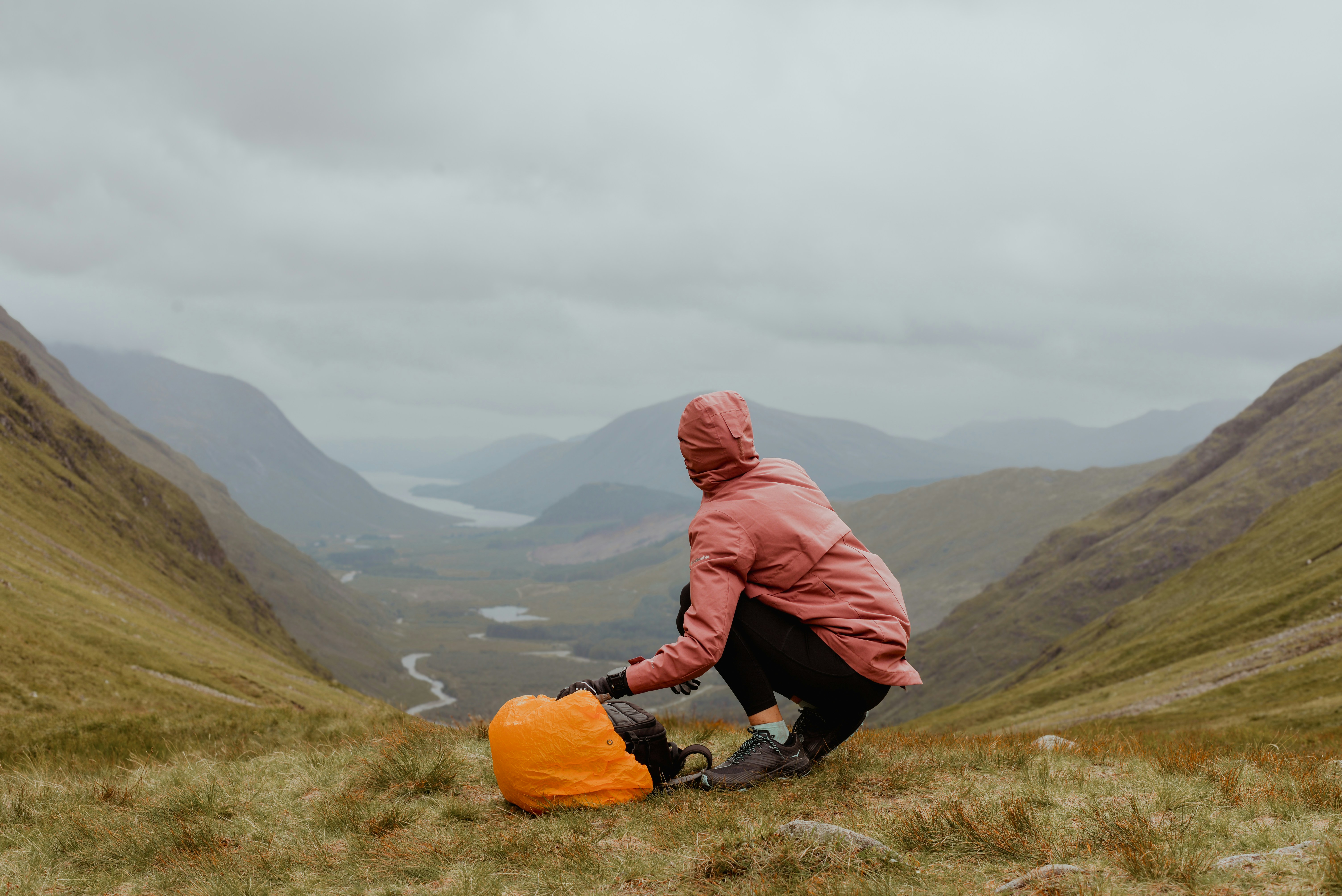
- Overpacking. Group tours often limit luggage size (e.g., 15 kg duffel). Overpacking means you carry too much or pay for extra weight. Pack light and multi-purpose.
- Ignoring fitness level. If the tour says “strenuous,” a once-a-week gym routine won’t cut it. Train properly for 6–8 weeks beforehand.
- Not researching guide experience. A good guide makes the trip. Ask about their certifications and how long they’ve led groups in that area.
- Overlooking solo supplement fees. Many tours charge extra if you want a private room. Budget for this or decide you’re okay sharing.
- Expecting solitude. Group tours are social. You’ll be walking, eating, and sleeping near others. If you need alone time, plan for it on rest days or during short breaks.
- Not checking baggage policies. Hiking gear like trekking poles may not be allowed in carry-on. Plan to check a bag or rent gear locally.
Budgeting for a Solo Female Hiking Tour: What the Price Really Includes
Tour prices vary wildly. Here’s a realistic breakdown of costs for a 10-day moderate tour:
- What’s included: Accommodation (usually shared), all meals on trail, permits, guide salaries, group transport between trailheads, park entrance fees, and sometimes gear (tent, stove, eating utensils).
- What’s extra: Flights to the start point (often $800–$1,500), travel insurance ($100–$300), visas ($20–$100), tips for guides ($100–$200), extra drinks or snacks, gear rental ($50–$150 per item), and personal expenses.
- Total estimated cost: Expect $2,500–$5,000 all-in for a well-organized tour, including flights and insurance.
Always buy travel insurance that covers trip cancellation and medical evacuation. Beginners may want to start with a travel insurance comparison tool to find the right plan.

How to Stay Safe on a Solo Female Hiking Tour
Safety is about smart habits, not paranoia. Follow these rules:
- Stay with the group. If you need to break off for a rest stop, tell the guide. Never wander alone without communicating.
- Share your itinerary. Give your daily plan to someone at home (friend or family) and check in periodically if cell service allows.
- Know basic first aid. Blisters, minor cuts, and altitude symptoms are common. Carry your own small kit.
- Have offline maps. Download the route area on apps like AllTrails or Gaia GPS before departing.
- Carry a personal locator. A satellite messenger or inReach device can be a lifeline in remote areas. A reliable option is a personal locator beacon for hiking.
- Power bank is essential. Dead phone = no maps, no communication.
Your guide is your primary safety resource. Trust their judgment, especially about weather and trail conditions.
Final Tips for Making the Most of Your Guided Hiking Experience
Before you go, connect with other group members via WhatsApp or social media groups. It eases first-day awkwardness. Talk to your guide about your fitness level honestly—they can adjust pace or offer tips. Be flexible with weather changes; hiking in rain can be magical if you’re prepared. And embrace the shared experience. You’ll learn from others, share laughs, and create memories that solo hiking alone rarely matches. The right tour makes solo hiking feel less lonely and far more safe.
Frequently Asked Questions About Solo Female Hiking Tours
Is solo hiking with a group safe for a woman?
Yes, especially when you choose a reputable operator with experienced guides. Groups have established safety protocols. Your biggest risk is usually altitude sickness or a twisted ankle, not personal danger.
Do I need to be very fit?
It depends on the tour. Beginners should choose easy to moderate difficulty. Most tours provide a fitness guide; follow it. Hill walking and stair climbing are your best prep.
Can I have my own room?
Most tours offer a solo supplement fee for private rooms. Budget an extra $200–$600 depending on the trip. Some women-only tours include private rooms by default.
How do I find like-minded women in the group?
Group tours naturally attract similar people. Join pre-trip chat groups, introduce yourself on day one, and share meals. You’ll find fellow hikers quickly.
What if I don’t like the group?
It happens. Focus on the hiking. Talk to the guide if someone is disruptive. Remind yourself the trip is temporary and you can always walk separately during rest stops.