Best Canyoneering Spots Worldwide: A Practical Guide for Adventure Travelers
What Makes a Great Canyoneering Destination?
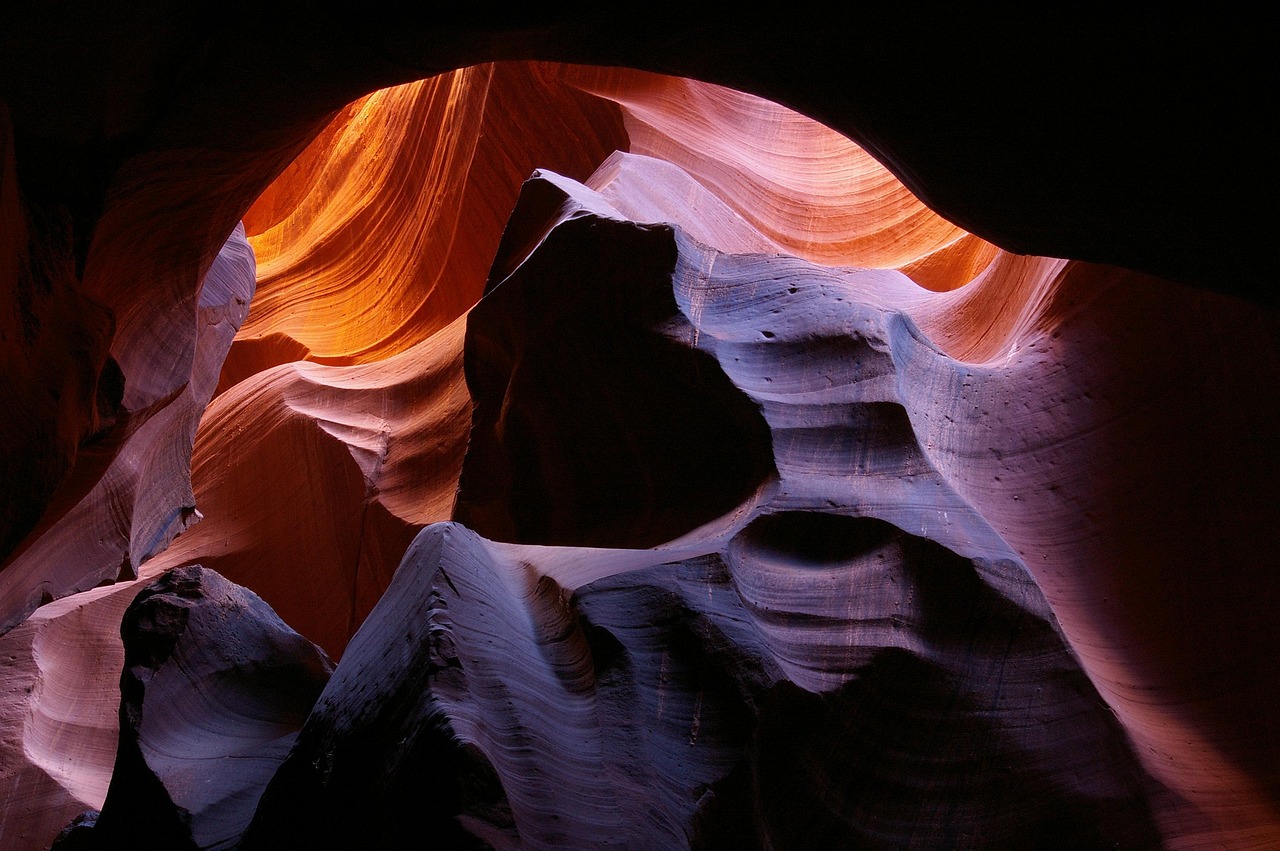
Before diving into specific locations, it helps to understand what separates a truly great canyoneering spot from a one-trick canyon. The best destinations offer reliable access, a variety of routes for different skill levels, solid safety infrastructure (or at least predictable conditions), and a manageable gear situation. You do not want to fly halfway around the world only to find out you need a rope you do not have or that permits are booked out for months.
For this list, I focused on places that deliver genuine adventure without making logistics a nightmare. Some are famous for a reason. Others are lesser-known but punch well above their weight. All of them are proven over years of use, not just online hype. Whether you are after a full-day technical descent or a half-day splash in a slot canyon, the spots below cover the spectrum.

1. Zion National Park, Utah, USA
Zion is the gold standard for canyoneering in North America. The park has over 200 named canyons, ranging from family-friendly wades to serious technical routes with multiple rappels. The most famous are The Narrows, a river hike through a 1,000-foot deep slot; The Subway, a challenging route requiring rappels and swimming; and Pine Creek, a classic beginner-to-intermediate route.
Logistics and Permits
Permits are required for The Subway, The Narrows (if hiking top-down), and most technical canyons. The Zion permit lottery is competitive, especially for The Subway. Book well in advance or consider a guided trip, which often includes permit handling. Self-guided options exist but require solid route-finding skills and proper gear.
Gear Specifics
Zion’s canyons involve water. You need canyoneering boots with good traction on wet rock, a dry bag for electronics, and a wetsuit for cold water sections—even in summer. Neoprene socks are a must. For technical routes, bring a harness, rappel device, and at least one 60-meter rope. Dry suits are recommended for winter and early spring. For those looking to upgrade their footwear, check out canyoneering boots with good traction.
Best For
Intermediate to advanced canyoneers who want well-established routes with reliable conditions. Beginners should start with Pine Creek or a guided Narrows trip.
2. Verdon Gorge, France
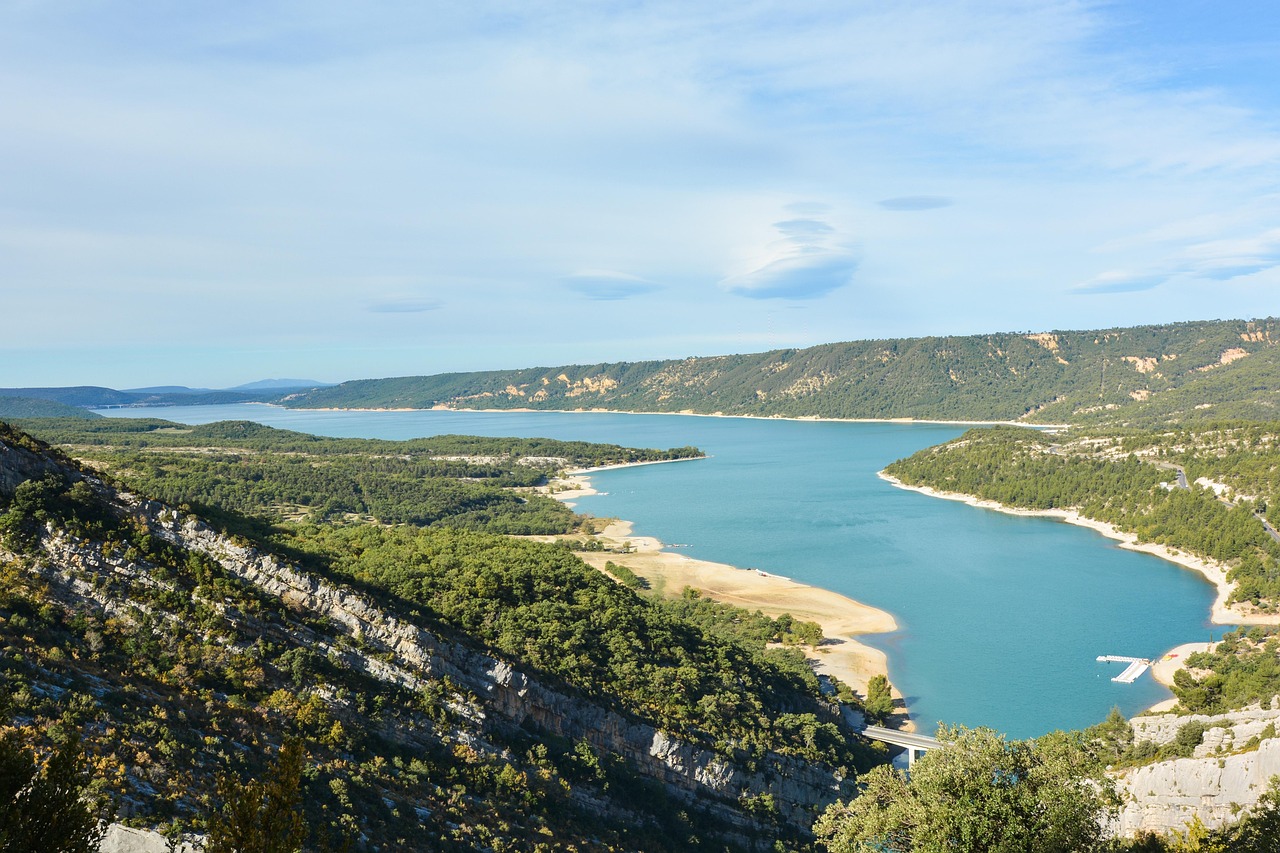
Verdon Gorge is Europe’s premier canyoneering destination, located in southeastern France. The gorge cuts through limestone for over 25 kilometers, creating deep turquoise pools and dramatic cliff walls. The canyoning routes here are technical, with multiple rappels, jumps, and natural slides.
Difficulty and Best Time
Most routes range from intermediate to advanced. The water is cold year-round, so a wetsuit is essential. The best season is May through September, with peak flows in early summer. Beginners should hire a guide for safety and navigation. The canyon can be dangerous after rain due to flash flooding.
Accommodation and Guides
Stay in the nearby villages of Castellane or Moustiers-Sainte-Marie. Numerous guiding companies operate out of Castellane, offering half-day and full-day trips. Book ahead in peak season. For gear, you will need a 7mm wetsuit, canyoning shoes, a helmet, and a dry bag. A canyoning-specific harness with a built-in descender is common here. A canyoning harness with built-in descender can streamline your setup.
Best For
Experienced canyoneers seeking technical challenges in a stunning European setting. Beginners should book a guided day trip on a shorter section.

3. Quebrada de Humahuaca, Argentina
This is a lesser-known gem in the Argentine Andes, near the town of Cafayate. The Red Canyon (Cañón de los Condores) offers a mix of narrow slots, rappels, and dry sections. The landscape is stark and beautiful, with red rock formations contrasting against the high-altitude desert.
Remoteness and Safety
The region is remote. Cell service is spotty, and medical facilities are basic. Travel insurance with evacuation coverage is strongly recommended. The weather is unpredictable; rain can cause flash flooding even when the sky is clear upstream. Hire a local guide who knows the drainage patterns.
Gear and Conditions
Bring a wetsuit for cold water sections, a rappel device with backup, and a 30-meter rope for most routes. Water levels are highest in summer (December–March), but the weather is also hotter. Spring and autumn are more comfortable, though water levels drop. Dry bags are essential since you will be in and out of water. A dry bag for canyoneering will keep your essentials protected.
Best For
Adventure travelers who want remote, scenery-driven canyoneering away from crowds. Not for beginners unless guided.
4. The Llangollen and Snowdonia Region, Wales, UK
Wales offers some of the best canyoneering in the UK, with routes in Snowdonia National Park and around Llangollen. The canyons are typically narrow, with plenty of water moves, jumps, and natural slides. The British grading system uses a 1-to-5 scale, with 1 being easy and 5 being serious.
Water Conditions and Gear
The water is cold, even in summer. A 5mm dry suit or thick wetsuit is essential. Dry suits are preferred because they keep you warmer when you are out of the water. A helmet, buoyancy aid, and canyoning boots are standard. Many routes require ropes for short rappels or handlines.
Guiding and Courses
Most visiting canyoneers join guided trips. Several reputable companies operate in Betws-y-Coed and Blaenau Ffestiniog. They provide gear and instruction. For experienced canyoneers, some routes are technically independent, but you still need to check water levels and access permissions.
Best For
Beginners who want a safe introduction with a guide, and experienced canyoneers looking for wet, adventurous routes in a beautiful setting.
5. Barranca de Oblatos, Mexico
Located in the state of Jalisco near Guadalajara, Barranca de Oblatos is a deep canyon system offering serious rappels and narrow slots. The canyons here are less developed than other destinations, which adds to the adventure. Expect big drops—some over 50 meters—and tight, dark slots.
Safety and Local Knowledge
This is not a place to self-guide unless you have extensive experience and local knowledge. Water levels can rise rapidly after rain, and the canyon walls are slick. Hire a local guide from Guadalajara or nearby towns. They will know safe entry and exit points and can handle any gear issues.
Gear Recommendations
Bring a 30-meter and 60-meter rope, a harness, a descender (preferably a Petzl Piranha or similar), and quick-dry clothing. A water filter is useful because the river water is not safe to drink. Neoprene socks and gloves help with the cold water and sharp rocks.
Best For
Experienced canyoneers looking for raw, undeveloped routes. Not suitable for beginners or solo travelers.
6. Wadi Shab, Oman
Wadi Shab is a desert canyoneering experience like no other. Located about an hour’s drive from Muscat, this wadi combines narrow canyon sections with clear turquoise pools and waterfalls. The route involves walking, swimming, and some scrambling, with a final rappel into a hidden cave pool.
Water Levels and Best Seasons
Water levels are highest from November to March. In summer, some pools dry up and the heat can be intense. Flash floods are a real risk even when it is not raining nearby. Go early in the morning to avoid crowds and heat.
Logistics and Gear
You need water shoes or canyoning boots for the rocky sections. Sun protection is critical—the desert sun reflects off the water. Bring a hydration system because there is no potable water in the wadi. A dry bag with a clip is useful for keeping your phone and snacks dry while swimming.
Best For
Adventure travelers who want a unique desert-water combination. Suitable for fit beginners with a guide or careful planning.
How to Choose the Right Canyoneering Destination for You
Not all canyoneering destinations are created equal. The right one depends on your skill level, budget, and what kind of experience you want. Here is a quick breakdown:
- Beginners: Start with Zion’s Pine Creek or a guided trip in Wales. The infrastructure and guide quality are high, and the risk is manageable.
- Intermediate: Verdon Gorge or Wadi Shab offer more technical challenges without extreme risk if you go with a guide.
- Advanced: Quebrada de Humahuaca or Barranca de Oblatos reward experience with raw, less crowded adventures.
- Budget-conscious: Wales and Mexico are generally cheaper than Zion or Verdon. Local guiding costs less, and gear rentals are available.
- Warm-weather seekers: Wadi Shab and Quebrada de Humahuaca are best in cooler months but still offer warmer conditions than alpine canyons.
- Cold-weather enthusiasts: Verdon Gorge and Snowdonia are excellent in summer, but you will still need a wetsuit or dry suit.
The key is to match the difficulty and water conditions to your experience. Do not overestimate your comfort with cold water or technical rope work. A guided trip is almost always worth it for your first visit to a new area.
Essential Canyoneering Gear: What to Pack for Any Trip
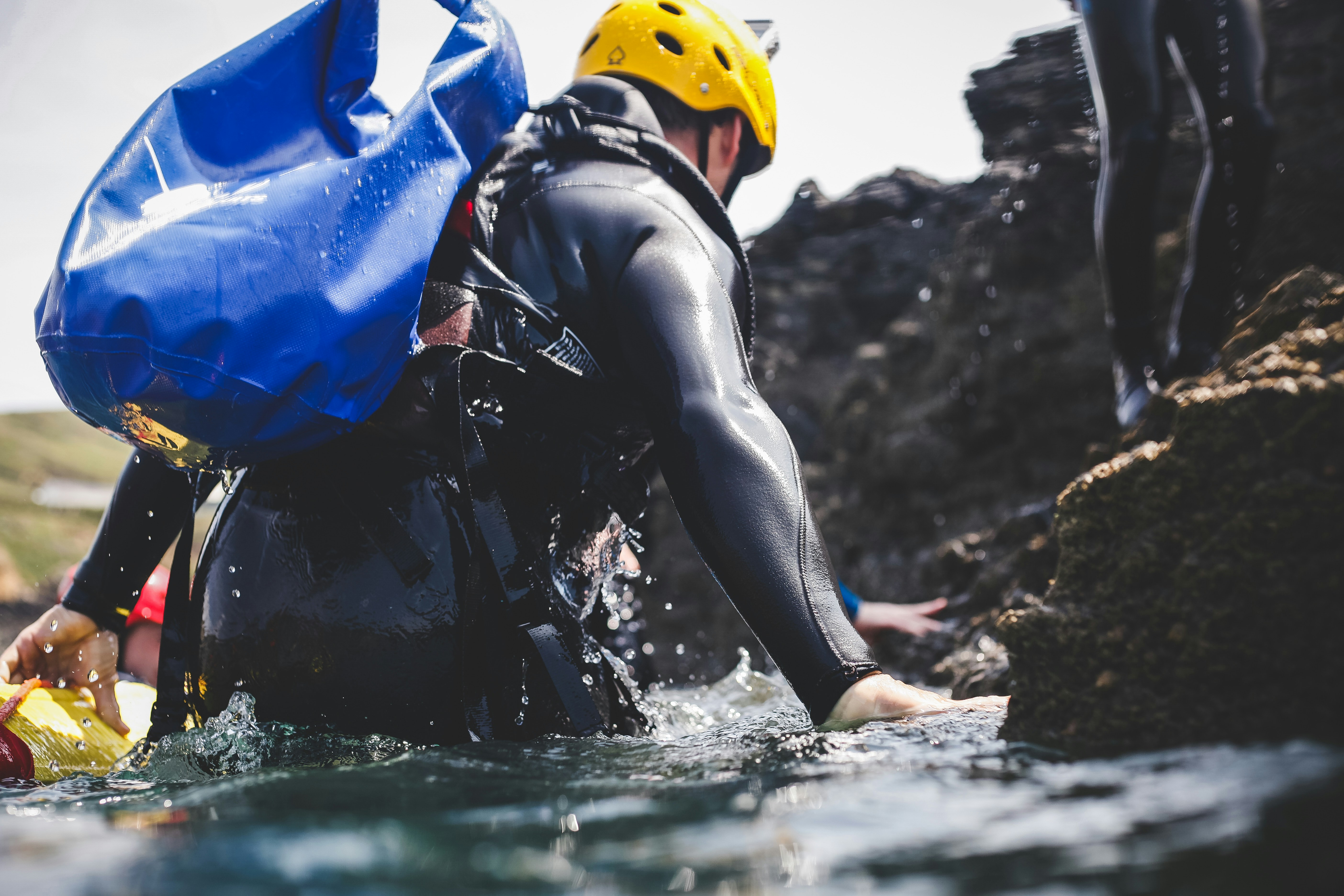
Your gear list will vary depending on the destination, but some items are universal. Here is what you need:
- Harness and Rappel Device: A canyoning-specific harness with a built-in descender is convenient. For beginners, a standard rappel device works fine.
- Helmet: Non-negotiable. Rocks fall, and you will hit your head at some point.
- Wetsuit or Dry Suit: Even in warm climates, water in canyons is cold. A 3mm wetsuit is minimum; 5mm is better for alpine or early-season trips.
- Canyoneering Boots: Good traction on wet rock is essential. Do not use regular hiking boots; they will be slippery and heavy when wet.
- Dry Bag: Keep your phone, first aid kit, and spare clothes dry. Get one with a clip or roll-top closure.
- Rope: At least one 30-meter static rope for most routes. For long rappels, 60 meters is better. Carry a rope bag to prevent tangling.
- First Aid Kit: Include blister care, antiseptic, and a splint. Foot injuries are common.
- Water and Food: A hydration system (e.g., water bladder) is practical. High-energy snacks like bars or dried fruit keep you going.
For specific destinations, add a water filter for remote areas like Mexico, neoprene socks for cold water, and extra carabiners for complex routes. The rule is: pack for the worst case, hope for the best.

Common Canyoneering Mistakes to Avoid
Even experienced canyoneers make mistakes. Here are the ones I see most often:
- Underestimating water levels: A canyon that was safe in the morning can become lethal after a storm. Always check weather forecasts and avoid canyons if rain is forecast upstream.
- Poor foot care: Wet feet blister fast. Wear neoprene socks and keep your boots snug. If you feel a hot spot, stop and treat it immediately.
- Inadequate gear: Using mountaineering gear in a wet canyon is asking for trouble. Get proper canyoning equipment, especially for rappels and wetsuits.
- Ignoring permits: Many popular canyons require permits. Skipping them can result in fines, being turned away, or missing out entirely.
- Going solo without experience: Canyoneering is inherently risky because of water, weather, and technical moves. Solo travel is only for experts who know the area well.
Mistakes in canyoneering can have serious consequences. Take the time to plan properly, and do not push your limits too fast.
How to Book Your Canyoneering Trip: Guides, Permits, and Logistics
Booking a canyoneering trip involves several steps, depending on where you are going. Here is a practical workflow:
1. Research Permits
For popular spots like Zion, permits are the bottleneck. Check the park website for lottery dates and book as soon as the window opens. Some destinations (like Verdon Gorge or Wales) do not require permits for guided trips, but independent access may need permission from local authorities.
2. Find a Reputable Guide
Look for guides with specific canyoning experience, not just general outdoor skills. Read reviews on platforms like TripAdvisor or Google, but focus on recent feedback. Good guides provide all technical gear and handle permits. Ask about their ratio of guide to clients—smaller groups are safer and more fun.
3. Book Accommodation and Transport
Many canyoneering areas are remote. Book accommodation early, especially in peak season. Rent a car or use local shuttles. For Verdon Gorge, staying in Castellane is ideal because guides depart from there.
4. Check Your Gear
If you are bringing your own gear, check it before you leave. If renting, confirm availability and sizing in advance. Some guides offer gear rental as part of the package. A reliable canyoning helmet is worth investing in if you plan on multiple trips.
5. Get Travel Insurance
Standard travel insurance often covers canyoneering, but check the fine print. You want coverage for evacuation, medical expenses, and gear loss. Remote destinations like Quebrada de Humahuaca or Barranca de Oblatos make this especially important.
Direct CTA: Check current tours and availability for your chosen destination.
Final Thoughts: Making Your Canyoneering Adventure Happen
The six destinations covered here represent the best canyoneering spots worldwide for adventure travelers. Each offers something different, from the well-trodden routes of Zion to the remote desert canyons of Oman and Argentina. The key is to match the destination to your skill level, season, and budget.
Your next step is simple: pick a destination, check the gear list, research permits, and book a guide if you need one. The world’s best canyons are waiting, but they will not explore themselves. Start planning now.